

Two of the most common repetitive strain injuries among active adults are tennis elbow and golfer’s elbow. Despite their sporty names, these conditions aren’t limited to tennis players and golfers. They’re a frequent occurrence in anyone who regularly engages the forearms – whether through workouts, racquet sports, rowing, or even daily tasks like typing, lifting, or driving.
At STEMS Health Regenerative Medicine in Miami Beach, we regularly see patients who’ve struggled with elbow pain for months, even years, before finding meaningful relief. Many have tried physical therapy, braces, cortisone shots, or simply resting the arm – only to find the pain returns. For these patients, Platelet-Rich Plasma (PRP) therapy is changing the game.
In this article, we’ll explore the difference between tennis elbow and golfer’s elbow, how PRP works to treat them both, and what you can expect when receiving PRP therapy at STEMS Health.
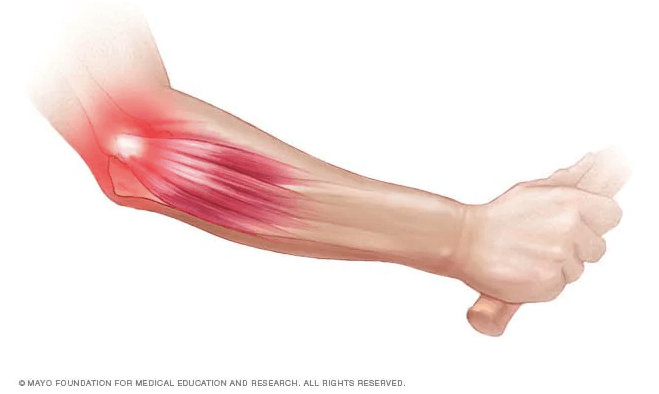
Understanding the Source of Elbow Pain
Tennis elbow and golfer’s elbow are both classified as forms of epicondylitis, which refers to inflammation or degeneration of tendons around the elbow joint. The difference lies in which side of the elbow is affected.
Tennis Elbow (Lateral Epicondylitis)
Tennis elbow causes pain on the outside of the elbow and is most often due to overuse of the extensor tendons – those that help you straighten your wrist and fingers. These tendons attach at the lateral epicondyle, a bony bump on the outer elbow.
This condition is especially common among:
- Tennis or pickleball players
- Weightlifters
- Manual laborers
- Office workers who spend hours on a mouse or keyboard
Golfer’s Elbow (Medial Epicondylitis)
Golfer’s elbow affects the inner elbow and involves strain of the flexor tendons, which help bend the wrist and fingers. These attach at the medial epicondyle on the inner side of the elbow.
In addition to golfers, this injury may show up in:
- Yogis who do lots of plank or chaturanga
- Strength trainers doing curls or pushups
- People doing repetitive lifting or carrying
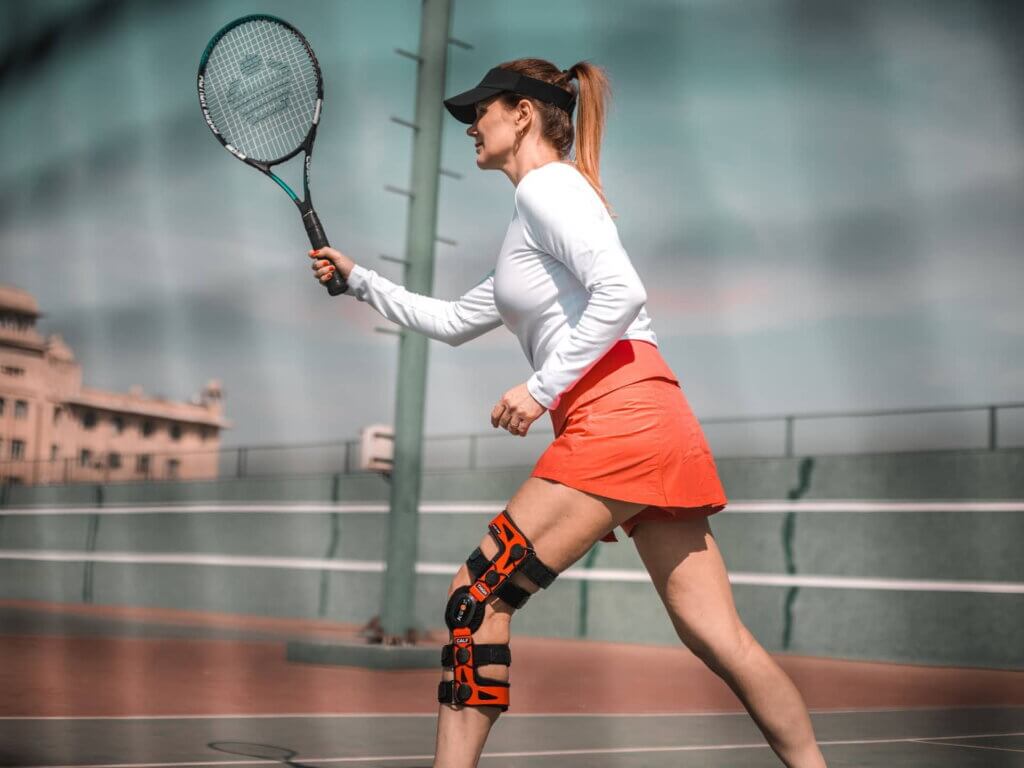
Both conditions can cause grip weakness, forearm fatigue, and sharp or burning pain that may radiate down the arm. And both can become chronic if not addressed properly.
The Rise of PRP in Regenerative Elbow Care
So what can you do if rest, braces, or cortisone injections haven’t resolved the pain?
That’s where PRP therapy – a regenerative, cell-based approach – comes into play.
Platelet-Rich Plasma (PRP) is derived from a small sample of your own blood. At STEMS Health in Miami Beach, we process the blood in a specialized centrifuge that concentrates the platelets – cell fragments containing powerful growth factors and healing proteins.
Once the platelets are separated, they’re injected back into the precise location of your injury under ultrasound guidance. The result? A surge of healing activity directly at the site of degeneration.
PRP works differently than cortisone. Instead of reducing inflammation by suppressing your immune response (which may delay healing), PRP enhances and accelerates your body’s own repair mechanisms. It stimulates:
- Collagen production
- Angiogenesis (new blood vessel formation)
- Tendon remodeling
It’s not masking the pain. It’s helping fix what’s broken.
Why STEMS Health Specializes in PRP for Elbow Conditions
At STEMS Health Regenerative Medicine, PRP therapy is more than just a procedure – it’s part of a holistic, high-touch treatment plan designed around your lifestyle.
That’s why PRP has become a cornerstone of our elbow care protocols. It allows us to treat patients with precision, speed, and personalization, all in the comfort of our Miami Beach clinic. No hospital stay. No general anesthesia. No extended downtime.
Tennis Elbow vs. Golfer’s Elbow: Does PRP Work for Both?
Yes – and here’s why.
Despite affecting different tendon groups, both tennis and golfer’s elbow share similar features: tendon overuse, microscopic tearing, and degeneration (often more than inflammation). This condition is known as tendinosis – and PRP is particularly effective for it.
By injecting PRP into the affected tendon (outer elbow for tennis elbow, inner elbow for golfer’s elbow), we deliver a rich supply of healing factors directly where the tissue has broken down.

Clinical research supports this approach. Studies have shown that PRP is significantly more effective than cortisone in long-term healing for chronic epicondylitis. And many elite athletes – across golf, tennis, and weightlifting – now rely on PRP to avoid surgery and extend their careers.
What the PRP Experience Looks Like at STEMS Health
Curious about what actually happens during a PRP elbow treatment?
Here’s what you can expect at our Miami Beach clinic:
Step 1: Personal Consultation
We begin with a detailed assessment, including physical examination, imaging (such as ultrasound), and lifestyle review. We’ll determine whether PRP is the right course of action – or if other interventions are needed first.
Step 2: Blood Draw and Platelet Preparation
A small sample of your blood is drawn – usually about 15 to 30 ml. It’s then spun in a centrifuge to concentrate the platelets.
Step 3: Image-Guided Injection
Using ultrasound to locate the exact area of injury, your provider will inject the PRP directly into the damaged portion of the tendon.
Step 4: Recovery Planning
You’ll receive personalized post-treatment guidance, including light mobility protocols and follow-up support. Most patients experience minimal soreness and resume normal activities in 1–3 days.
The full procedure takes about 45 to 60 minutes, start to finish.
Recovery Timeline: What to Expect After PRP
One of the biggest advantages of PRP at STEMS Health is the accelerated recovery compared to surgery.
Here’s a typical timeline:
- Days 1–3: Some soreness at the injection site. Ice and rest recommended.
- Week 1: Begin light wrist/elbow movements. No heavy lifting or sports yet.
- Week 2–3: Noticeable improvement in pain and grip strength.
- Week 4–6: Return to modified activity – golf swings, gym training, racquet play.
- Week 8–10: Full clearance for sport or intensive training.
Some patients notice reduced elbow stiffness early in the healing process. Others take longer but ultimately regain full mobility and strength – often for the first time in years.
Is PRP the Right Choice for You?
At STEMS Health Regenerative Medicine, we’ve seen firsthand how transformative PRP therapy can be – but like any medical treatment, it isn’t a one-size-fits-all solution.
PRP is often ideal for individuals who have been struggling with persistent elbow pain for three months or more, especially when rest, physical therapy, or cortisone injections haven’t delivered lasting relief. It’s a particularly good fit for patients who want to avoid surgery and are looking for a drug-free, regenerative approach to healing. If you’re motivated to restore strength, performance, and function without extended downtime, PRP may be exactly what your elbow needs.
However, there are situations where we may recommend a different course of treatment. For example, if you have a complete tendon rupture, advanced joint degeneration or arthritis, or underlying conditions such as bleeding disorders or active infections, PRP may not be the most effective or appropriate option.
That’s why every PRP consultation at STEMS Health includes a thorough review of your medical history, imaging, and lifestyle goals. We take the time to ensure that the therapy you receive is the one most likely to help you recover fully and live pain-free.
Why PRP in Miami Beach? Why STEMS Health?
Miami Beach is full of high achievers – physically, professionally, and socially. Our patients include everyone from fitness trainers to retirees, real estate agents to attorneys, golf pros to yogis. The one thing they have in common? A refusal to let chronic pain define their lifestyle.
At STEMS Health Regenerative Medicine, we provide concierge-level care designed around you:
- No waiting rooms
- No rushed appointments
- No one-size-fits-all treatments
Just precision, expertise, and compassion – delivered in the heart of Miami Beach by physicians who understand what performance and longevity really mean.
If you’re dealing with elbow pain and wondering whether surgery is your only option, we invite you to explore a smarter path – one that works with your body, not against it.
PRP therapy for tennis elbow and golfer’s elbow offers natural, targeted healing that helps you get back to the game, the gym, or your everyday life – stronger, faster, and without compromise.
At STEMS Health, we’re here to make that happen.
Schedule Your Consultation Today
Contact STEMS Health Regenerative Medicine in Miami Beach to learn more about PRP therapy and personalized treatment plans for elbow pain. Whether you’re swinging a racquet, a golf club, or just aiming to stay strong into your next decade, we’re here to support your recovery and long-term performance.
Our double-board certified physicians are here to answer your questions and tailor stem cell treatments specifically for your long-term health goals. STEMS Health also provides stem cell therapies for a range of conditions, including hair loss, stem cell facials, jaw disorders, and other regenerative treatments, for patients in the Miami Beach area.
Related Posts
- When is PRP better than surgery for shoulder pain?
- PRP for lower back pain and an active Miami lifestyle
- Why athletes are choosing PRP for sports injury recovery
- Can PRP help me with my muscle strain recovery?
- How PRP can help relieve plantar fasciitis pain
- Latest research into PRP treatment for bursitis
