

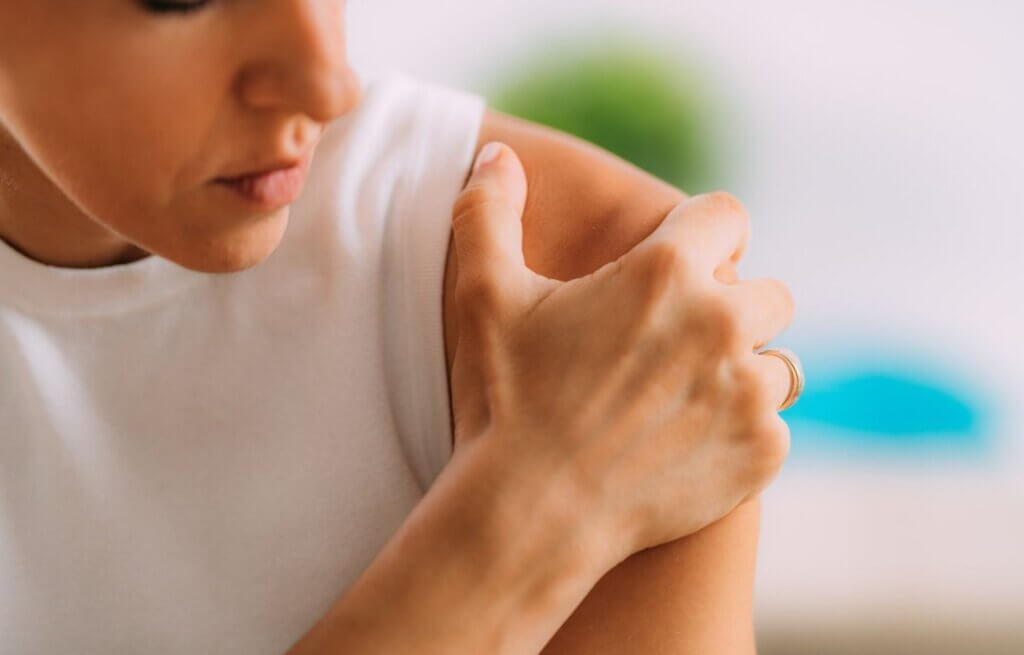
The shoulder is one of the most dynamic joints in the human body – and also one of the most vulnerable. Whether you’re lifting weights, serving a tennis ball, or simply reaching for a cabinet, the shoulder is always at work. But when pain sets in – especially due to rotator cuff injuries or chronic inflammation – the activities you love can become challenging, even impossible.
At STEMS Health Regenerative Medicine in Miami Beach, we specialize in regenerative treatments that promote healing without invasive surgery. One of the most effective tools in our arsenal is Platelet-Rich Plasma (PRP) therapy. But many patients ask us: Is PRP really better than surgery?
In this article, we’ll explore when PRP is the smarter option for shoulder pain, what recovery looks like, and how our Miami Beach patients are finding lasting relief without going under the knife.
Understanding Shoulder Pain and Common Causes
The shoulder is a complex joint held together by muscles, tendons, and ligaments – all of which can be affected by wear and tear over time. The most common causes of shoulder pain we see at STEMS Health include:
- Partial rotator cuff tears
- Tendinosis (degeneration of the tendons)
- Shoulder impingement
- Labral damage
- Chronic bursitis
Many of these conditions develop gradually, especially in active adults over 40. Golf, tennis, yoga, strength training, and even computer work can strain the shoulder tendons. If not treated early, this stress leads to inflammation, pain, and eventual loss of mobility.

What Is PRP and How Does It Heal the Shoulder?
Platelet-Rich Plasma (PRP) is a regenerative therapy that uses a concentrated portion of your own blood – rich in platelets and healing growth factors – to stimulate the body’s natural repair mechanisms.
At STEMS Health, we extract a small blood sample, process it using a centrifuge to isolate the platelets, and then inject the PRP directly into the injured portion of the shoulder using ultrasound guidance. This allows for pinpoint precision – something critical when treating small tendon structures like the rotator cuff.
PRP works by:
- Reducing inflammation
- Accelerating tissue regeneration
- Increasing collagen production
- Restoring strength and mobility
Unlike cortisone injections, which merely mask inflammation, PRP promotes true healing at the cellular level.
PRP vs. Surgery: What’s the Difference?
Many patients come to us after being told they need surgery for a rotator cuff tear or persistent tendon pain. But surgery isn’t always the best first choice – especially when PRP can offer comparable or even superior outcomes in the right cases.
Here’s how PRP compares to shoulder surgery:
| PRP Therapy | Shoulder Surgery | |
| Invasiveness | Minimally invasive (injection only) | Surgical incision + tissue manipulation |
| Anesthesia | Not required | Required (general or local) |
| Recovery time | 1–3 days of rest | 3–6 months of rehab |
| Risks | Low (no incision, no scarring) | Higher (infection, scar tissue, nerve damage) |
In many cases – especially partial rotator cuff tears and tendinosis – PRP can deliver results without the risks, pain, or downtime associated with surgery.
When Is PRP the Better Choice?
PRP is often the smarter treatment path when:
- Imaging (MRI or ultrasound) shows a partial tear or tendon degeneration
- Pain has persisted for more than 6–8 weeks despite physical therapy or rest
- The patient wants to avoid surgery and remain active during recovery
- There’s no severe joint instability or full-thickness tear
At STEMS Health, we evaluate each patient’s injury, goals, and lifestyle to determine if PRP is appropriate. We also review imaging to ensure surgery isn’t the more appropriate route.
What to Expect from a PRP Treatment at STEMS Health
The process is seamless, comfortable, and performed right in our Miami Beach clinic. Here’s what it looks like:
Step 1: Personal Consultation
We conduct a physical exam, review imaging, and discuss your shoulder function, activity levels, and goals.
Step 2: Platelet Collection
A small blood sample (15–30 ml) is taken and spun in a centrifuge to separate and concentrate the platelets.
Step 3: Image-Guided Injection
Using real-time ultrasound imaging, your provider injects the PRP into the precise area of tendon damage.
Step 4: Recovery Protocol
We provide detailed guidance on activity, mobility, and follow-up care. Most patients walk out of the clinic and return to light movement within a few days.
PRP Recovery Timeline: What’s the Downtime?
Unlike surgery, recovery after PRP is short and manageable. Here’s a general overview:
- Days 1–3: Minor soreness or pressure at the injection site. Ice and gentle rest recommended.
- Week 1: Begin light range-of-motion exercises. No overhead lifting or strenuous activity.
- Weeks 2–4: Reduction in pain and improved shoulder mobility. Return to light activities like swimming or yoga.
- Weeks 6–8: Gradual return to golf, tennis, strength training, and full sport participation.
- Month 3+: Most patients report full function with no lingering symptoms.
There may be temporary side effects such as mild inflammation or discomfort, but serious complications are rare. Unlike surgery, PRP does not involve anesthesia, scarring, or long-term immobilization.
Why Miami Beach Patients Are Choosing PRP
In a community where wellness and performance are a way of life, PRP offers what many Miami Beach patients want:
- Fast recovery
- Minimal disruption
- Natural healing
- Avoidance of surgery
Whether you’re a professional athlete, an active retiree, or someone simply trying to avoid the surgical route, PRP gives you options.
If shoulder pain is limiting your mobility, affecting your performance, or disrupting your day-to-day life, you don’t have to jump straight to surgery. PRP therapy, when applied with precision and medical expertise, can offer long-term healing for many types of shoulder injuries.
At STEMS Health Regenerative Medicine in Miami Beach, our team is ready to guide you through a personalized PRP treatment plan – helping you regain strength, comfort, and the freedom to move without pain.
More About STEMS Health Miami Beach
Our double-board certified physicians are here to answer your questions and tailor stem cell treatments specifically for your long-term health goals. STEMS Health also provides stem cell therapies for a range of conditions, including hair loss, stem cell facials, tennis injuries, golf related injuries, jaw disorders, and other regenerative treatments, for patients in the Miami Beach area.
FAQs – Shoulder pain: When is PRP better than surgery
Is PRP effective for rotator cuff tears?
Yes – especially for partial-thickness rotator cuff tears or tendinosis (tendon degeneration). PRP can stimulate healing, reduce inflammation, and restore function without surgery. Full-thickness tears may still require surgical repair, but PRP can sometimes be used pre- or post-surgery to aid recovery.
How long does PRP take to work in the shoulder?
Most patients begin to notice improvements within 2 to 4 weeks, with continued healing over 8 to 12 weeks. The full benefit may not peak until 3 months post-injection. Unlike cortisone, PRP promotes tissue repair, so the timeline reflects real healing, not just symptom suppression.
What other conidtions or injuries is PRO therapy used for treatment?
A variety of different injuries and conditions and injuries and treatements are available. This includes hair loss, golf, tennis, or pickleball injuries,
Are there any risks or side effects from a PRP injection?
PRP is derived from your own blood, so allergic reactions are extremely rare. Some patients experience temporary soreness, swelling, or stiffness at the injection site, which usually resolves in a few days. At STEMS Health, all injections are image-guided to minimize risk and maximize precision.
How do I know if I need PRP or surgery?
It depends on your diagnosis, lifestyle, and goals. If imaging shows a partial tear, chronic inflammation, or early degeneration – and you want to avoid downtime – PRP may be ideal. However, for complete tendon tears or mechanical joint instability, surgery may be necessary. A consultation at STEMS Health will clarify the best path forward.
Related Posts
- PRP therapy for tennis elbow vs golfer’s elbow
- PRP for lower back pain and an active Miami lifestyle
- Why athletes are choosing PRP for sports injury recovery
- Can PRP help me with my muscle strain recovery?
- How PRP can help relieve plantar fasciitis pain
- Latest research into PRP treatment for bursitis
