

Intercostal neuralgia stem cell treatment represents a promising advancement in managing the sharp, burning nerve pain that affects the ribs and chest area. This condition, often resulting from surgery or trauma, can significantly impact quality of life. Regenerative medicine approaches, including stem cell and PRP therapies, offer new hope for patients seeking alternatives to traditional pain management methods.
Understanding Intercostal Neuralgia and Its Causes
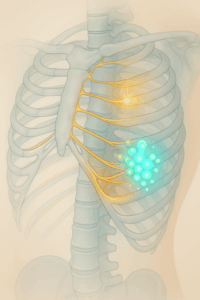
Intercostal neuralgia is a distinct type of neuropathic pain that affects the intercostal nerves running along the ribs. These nerves can become damaged or inflamed due to various factors, leading to severe discomfort that interferes with daily activities. The condition manifests as sharp, stabbing, or burning sensations that may worsen with movement, deep breathing, or coughing.
Common causes of intercostal nerve inflammation treatment needs include surgical procedures, particularly thoracic surgeries, chest trauma, viral infections like shingles, and repetitive stress injuries. Post-surgical patients often experience the most persistent symptoms, as surgical manipulation can directly damage nerve tissue or create scar tissue that compresses nearby nerves.
The pain typically follows the path of the affected intercostal nerve, creating a band-like distribution around the chest or back. Unlike muscular pain, intercostal neuralgia tends to be more intense and may include sensations of numbness, tingling, or hypersensitivity in the affected area. Understanding these characteristics helps medical professionals develop targeted treatment strategies.
Risk Factors and Complications
Several factors increase the likelihood of developing intercostal neuralgia. Age-related changes in nerve tissue, previous chest surgeries, and certain medical conditions like diabetes can predispose individuals to this condition. Post-surgery neuralgia stem cell treatments have become increasingly relevant as surgical procedures become more common.
When left untreated, intercostal neuralgia can lead to chronic pain syndromes, sleep disturbances, and reduced mobility. The persistent pain may also contribute to anxiety and depression, creating a cycle that further complicates treatment efforts.
Traditional vs. Regenerative Treatment Approaches
Conventional treatments for intercostal neuralgia typically focus on symptom management rather than addressing the underlying nerve damage. These approaches often provide temporary relief but may not promote actual healing of damaged nerve tissue.
Traditional treatment options include:
- Oral medications such as anticonvulsants and tricyclic antidepressants
- Topical analgesics and anti-inflammatory creams
- Nerve blocks using local anesthetics or steroids
- Physical therapy and gentle stretching exercises
- Transcutaneous electrical nerve stimulation (TENS)
While these methods can provide relief, they often require ongoing treatment and may come with significant side effects. Stem cell intercostal pain therapy offers a fundamentally different approach by targeting the biological processes involved in nerve repair and regeneration.
Regenerative medicine approaches aim to:
- Promote natural healing mechanisms within damaged nerve tissue
- Reduce inflammation at the cellular level
- Stimulate the growth of new, healthy nerve fibers
- Provide long-term pain relief rather than temporary symptom management
- Minimize the need for ongoing pharmaceutical interventions
The shift toward regenerative solution intercostal neuralgia treatments reflects growing evidence that the body’s own healing mechanisms can be enhanced and directed to repair damaged tissues more effectively than traditional interventions alone.
How Stem Cell Therapy Works for Nerve Pain
Intercostal neuralgia biologics represent cutting-edge treatments that harness the body’s natural repair mechanisms. Stem cells possess unique properties that make them particularly effective for treating nerve-related conditions. These cells can differentiate into various tissue types and release growth factors that promote healing and reduce inflammation.
When applied to intercostal neuralgia, stem cells work through multiple mechanisms. They can differentiate into neural tissue, helping to replace damaged nerve fibers. Additionally, they secrete bioactive compounds that create an optimal environment for nerve regeneration while simultaneously reducing the inflammatory response that often perpetuates nerve pain.
Types of Stem Cells Used
Different sources of stem cells offer varying benefits for treating intercostal neuralgia. Mesenchymal stem cells derived from adipose tissue or bone marrow are commonly used due to their safety profile and regenerative potential. These cells can be harvested from the patient’s own body, eliminating concerns about immune rejection.
Regenerative pain treatment ribs protocols often utilize autologous stem cells, which are processed and concentrated before being precisely injected into the affected area. This targeted delivery ensures that the therapeutic cells reach the damaged nerve tissue directly, maximizing their potential for promoting healing and pain relief.
Clinical Evidence and Outcomes
Research supporting stem cell nerve block alternative approaches continues to grow, with studies demonstrating significant improvements in pain scores and functional outcomes. Patients often experience gradual improvement over several weeks to months as the regenerative processes take effect.
The advantage of stem cell therapy lies in its potential for long-term results. Rather than providing temporary pain masking, these treatments address the underlying tissue damage, potentially offering sustained relief that improves over time as healing progresses.
PRP Therapy for Intercostal Pain Relief
PRP for nerve pain ribs represents another powerful regenerative option for treating intercostal neuralgia. Platelet-rich plasma contains concentrated growth factors and healing compounds that naturally occur in blood, but at much higher concentrations than normal circulation provides.
The preparation of PRP involves drawing a small amount of the patient’s blood and processing it through centrifugation to concentrate the platelets and growth factors. This concentrated solution is then injected into the affected area, where it releases bioactive substances that promote tissue repair and reduce inflammation.
PRP therapy offers several advantages for treating intercostal neuralgia. The treatment uses the patient’s own blood components, eliminating risks of allergic reactions or disease transmission. The growth factors in PRP specifically target damaged tissues, promoting natural healing processes while reducing pain and inflammation.
When comparing PRP vs stem cell nerve pain treatments, both approaches offer unique benefits. PRP typically shows faster initial results and can be repeated more frequently, while stem cell therapy may provide more comprehensive tissue regeneration over longer periods. Many practitioners combine both approaches for optimal outcomes.
Chronic rib pain stem cells and PRP treatments can be particularly effective when used together in a comprehensive regenerative protocol. This combination approach leverages the immediate anti-inflammatory effects of PRP with the long-term regenerative potential of stem cells.
The Treatment Process and What to Expect
The regenerative treatment process for intercostal neuralgia begins with a comprehensive evaluation to determine the most appropriate approach. This assessment includes reviewing medical history, conducting physical examinations, and potentially ordering imaging studies to identify the exact location and extent of nerve involvement.
During the treatment procedure, patients typically receive local anesthesia to minimize discomfort. For stem cell therapy, cells may be harvested from adipose tissue or bone marrow before processing and injection. PRP treatments involve blood draw and processing before injection. The actual injection process is guided by ultrasound or other imaging techniques to ensure precise placement.
Recovery expectations vary among patients, but most individuals can resume normal activities within a day or two of treatment. Initial improvements may be noticed within weeks, with continued progress over several months as the regenerative processes continue. Follow-up appointments allow providers to monitor progress and determine if additional treatments are beneficial.
The safety profile of regenerative treatments is generally excellent, with minimal risk of serious complications. Some patients may experience temporary soreness at the injection site or mild inflammation, but these effects typically resolve quickly. The use of the patient’s own biological materials significantly reduces risks compared to synthetic interventions.
More About STEMS Health Miami Beach
Our double-board certified physicians are here to answer your questions and tailor stem cell treatments specifically for your long-term health goals. STEMS Health also provides stem cell therapies for a range of conditions, including hair loss, stem cell facials, tennis injuries, golf related injuries, jaw disorders, and other regenerative treatments, for patients in the Miami Beach area.
Frequently Asked Questions
How long does it take to see results from stem cell treatment for intercostal neuralgia?
Most patients begin experiencing pain relief within 2-4 weeks, with continued improvement over 3-6 months as the regenerative processes promote nerve healing and reduce inflammation.
Can PRP and stem cell treatments be combined for better results?
Yes, many practitioners use combination protocols that leverage the immediate anti-inflammatory effects of PRP with the long-term regenerative potential of stem cell therapy.
What are the risks associated with regenerative treatments for nerve pain?
Risks are generally minimal since treatments use the patient’s own biological materials. Temporary soreness, mild inflammation, or bruising at injection sites are the most common effects.
How many treatments are typically needed for intercostal neuralgia relief?
Treatment frequency varies based on individual response and severity. Many patients benefit from 1-3 initial treatments, with potential maintenance procedures based on long-term outcomes and symptoms.
