

Reviewed by Dr. Ankeet Choxi
Cartilage has historically been considered unable to heal naturally due to its lack of blood supply. However, emerging cartilage cell regrowth techniques using stem cells and biologics are showing promise in stimulating the body’s natural healing processes to restore damaged cartilage tissue.
Understanding Cartilage Regeneration Limitations
Cartilage tissue faces unique challenges in healing that distinguish it from other body tissues. Unlike bone or muscle, cartilage lacks a direct blood supply, which severely limits its ability to deliver nutrients and remove waste products necessary for natural repair processes. This avascular nature means that when cartilage becomes damaged through injury or degenerative conditions like osteoarthritis, the body’s typical healing mechanisms cannot effectively restore the tissue.
The cells responsible for maintaining cartilage, called chondrocytes, exist in a specialized matrix that they produce and maintain. When cartilage damage occurs, these cells often cannot multiply quickly enough or migrate to the injury site to initiate meaningful repair. Additionally, the inflammatory environment that accompanies cartilage damage can actually inhibit the regenerative process, creating a cycle where damage leads to further deterioration rather than healing.
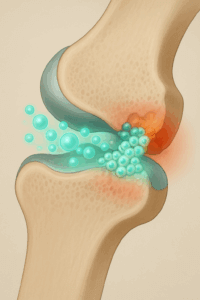
Traditional treatments for cartilage damage have focused primarily on symptom management rather than true tissue restoration. Anti-inflammatory medications, physical therapy, and eventually joint replacement surgery represent the conventional approach to cartilage problems. However, these methods do not address the underlying issue of restoring healthy, functional cartilage tissue, which has led researchers to explore regenerative approaches that could potentially stimulate cartilage cell regrowth.
Stem Cell Therapy Mechanisms for Cartilage Repair
Stem cell cartilage regrowth represents a promising frontier in regenerative medicine that aims to harness the body’s natural healing potential. Stem cells possess the unique ability to differentiate into various cell types, including chondrocytes, while also releasing growth factors and signaling molecules that can stimulate tissue repair processes.
Types of Stem Cell Therapies
Several types of stem cells are being investigated for chondrocyte regeneration therapy. Mesenchymal stem cells (MSCs) derived from bone marrow, adipose tissue, or umbilical cord blood have shown particular promise due to their ability to differentiate into cartilage-forming cells. These cells can be harvested from the patient’s own body, concentrated, and then injected directly into damaged cartilage areas.
- Bone marrow-derived stem cells offer high differentiation potential into chondrocytes
- Adipose-derived stem cells provide easier harvesting procedures with less patient discomfort
- Umbilical cord-derived stem cells demonstrate strong anti-inflammatory properties
- Platelet-rich plasma (PRP) can enhance stem cell effectiveness through growth factor release
Biological Enhancement Strategies
Biologics for cartilage repair often work synergistically with stem cell therapies to create an optimal healing environment. These biological agents include growth factors, cytokines, and scaffold materials that support cell growth and tissue formation. The combination approach recognizes that successful cartilage regeneration requires not just the presence of appropriate cells, but also the right environmental conditions for those cells to thrive and produce functional tissue.
Cartilage healing injections typically combine multiple biological components to maximize therapeutic potential. These formulations may include hyaluronic acid to provide lubrication and structural support, growth factors to stimulate cell proliferation, and anti-inflammatory agents to reduce tissue damage. The goal is to create a comprehensive treatment that addresses multiple aspects of cartilage dysfunction simultaneously.
Clinical Evidence and Treatment Outcomes
Research into stem cells for degenerative cartilage has produced encouraging results, though outcomes vary depending on the specific treatment approach, patient characteristics, and severity of cartilage damage. Clinical studies have demonstrated that stem cell therapies can lead to measurable improvements in pain, function, and tissue quality in many patients with cartilage defects.
Stem cell cartilage MRI evidence has been particularly valuable in documenting treatment effectiveness. Advanced imaging techniques can visualize changes in cartilage thickness, signal intensity, and structural organization following stem cell therapy. These objective measures complement patient-reported outcomes to provide a comprehensive picture of treatment success.
Long-term follow-up studies spanning several years have shown that cartilage restoration injection results can be durable in appropriate patients. Factors that appear to influence treatment success include patient age, activity level, extent of cartilage damage, and overall joint health. Younger patients with focal cartilage defects tend to show better responses than older patients with widespread degenerative changes.
- Pain reduction reported in 70-80% of patients within 3-6 months of treatment
- Functional improvement measured by standardized assessment scales
- MRI evidence of cartilage tissue improvement in 60-70% of cases
- Reduced need for pain medications and improved quality of life scores
- Delayed progression to joint replacement surgery in many patients
Cartilage defect healing biologics have shown particular promise when used in combination with other regenerative techniques. Some treatment protocols incorporate multiple injections over several months, allowing for progressive tissue improvement. The regenerative knee cartilage approach often includes rehabilitation protocols designed to optimize the mechanical environment for cartilage healing while protecting newly formed tissue.
Treatment Options and Patient Considerations
Patients considering regenerative treatments for cartilage damage should understand that these therapies represent an evolving field with both significant potential and important limitations. The concept of cartilage wear stem cell reversal is appealing, but realistic expectations are crucial for treatment satisfaction.
Ideal candidates for stem cell cartilage therapy typically include individuals with focal cartilage defects, early-stage degenerative changes, or those seeking alternatives to more invasive surgical procedures. The treatment process usually involves initial evaluation with imaging studies, followed by stem cell harvesting and preparation, and finally the therapeutic injection procedure.
Recovery following stem cell cartilage therapy generally requires a period of modified activity to allow the regenerative process to occur. Physical therapy plays a crucial role in optimizing outcomes by promoting appropriate mechanical loading of the treated cartilage while avoiding excessive stress that could interfere with healing.
Cost considerations are important, as many regenerative treatments are not covered by insurance and can represent a significant financial investment. Patients should carefully research treatment providers and ensure they are receiving care from qualified practitioners with experience in regenerative medicine techniques.
The future of cartilage regeneration continues to evolve with advancing technology and improved understanding of tissue engineering principles. Ongoing research into combination therapies, enhanced delivery methods, and patient selection criteria promises to further improve outcomes for individuals with cartilage damage.
More About STEMS Health Miami Beach
Our double-board certified physicians are here to answer your questions and tailor stem cell treatments specifically for your long-term health goals. STEMS Health also provides stem cell therapies for a range of conditions, including hair loss, stem cell facials, tennis injuries, golf related injuries, jaw disorders, and other regenerative treatments, for patients in the Miami Beach area.
Frequently Asked Questions
What are the risks of stem cell cartilage injections?
Risks are generally minimal and include temporary pain, swelling, or infection at the injection site. Serious complications are rare when performed properly.
Can stem cell therapy completely restore damaged cartilage?
While significant improvement is possible, complete restoration depends on factors like damage extent, patient age, and overall joint health. Results vary individually.
How many stem cell injections are typically needed for cartilage repair?
Treatment protocols vary, but many patients receive 1-3 injections spaced several weeks apart, depending on the specific approach and individual response.
