

How Platelet-Rich Therapy Can Help Muscle Pain, Improve Recovery, and Reduce Downtime.
In the world of sports medicine and rehabilitation, platelet-rich plasma (PRP) therapy has emerged as a beacon of hope for individuals suffering from muscle pain and strains. Unlike traditional treatments, PRP leverages the body’s innate healing mechanisms, offering a natural and effective path to recovery. This article explores the scientific foundations of “PRP therapy” its application in treating musculoskeletal injuries, and the evidence supporting its efficacy.
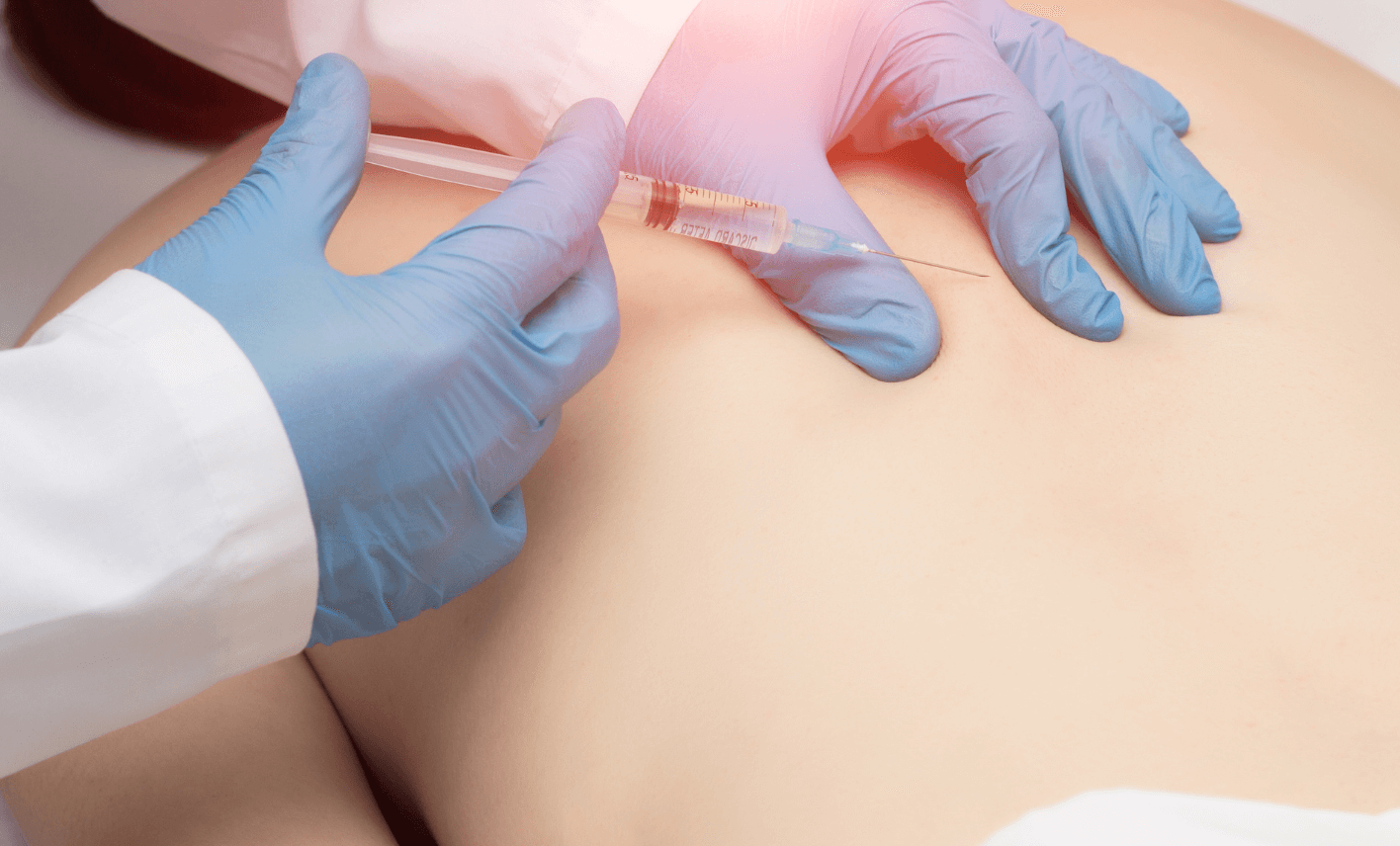
Understanding PRP Therapy for Muscle Repair and Recovery
At its core, PRP therapy involves the use of a patient’s own platelets to accelerate the healing of injured tissues. The process is relatively straightforward:
-
Blood Collection: A small sample of the patient’s blood is drawn.
-
Platelet Concentration: The blood is centrifuged to separate platelets from other blood components.
-
Injection: The concentrated platelet-rich plasma is then injected into the affected area, releasing growth factors that promote tissue repair and inflammation reduction.
The Science Behind the PRP for Muscle Repair and Recovery
Platelets play a crucial role in the body’s healing process, releasing growth factors that initiate repair and attract stem cells. PRP has been shown to promote muscle recovery via anabolic growth factors released from activated platelets and, in doing so, potentially reduces pain, swelling, and time for return to normal activity. In vitro studies support the regenerative potential of PRP for acute soft tissue injuries.
The growth factors in “PRP also promote the regeneration of muscle fibers” and other tissues by stimulating cell growth and supporting the development of new blood vessels, improving blood flow to the injured area, and accelerating the healing process.
PRP Therapy for Muscle Repair Research Research & Results
A growing body of scientific research underscores the potential of PRP therapy in musculoskeletal treatment. A study published in The American Journal of Sports Medicine found that athletes with muscle injuries treated with PRP experienced faster recovery times and a quicker return to play compared to those receiving conventional treatments (specifically, NFL athletes whose return to play time shortened). Similarly, a review in Sports Medicine highlighted PRP’s effectiveness in reducing pain and improving function in cases of chronic tendinopathy, a common condition affecting muscles and tendons.
Benefits of PRP for Muscle Pain and Strain Recovery
PRP therapy offers several advantages for individuals dealing with muscle pain and strains:
-
Accelerated Recovery: By enhancing the body’s natural healing processes, PRP can shorten the recovery period.
-
Reduced Pain: Patients often report significant reductions in pain following PRP treatment.
-
Minimally Invasive: As a non-surgical option, PRP involves minimal discomfort and downtime.
-
Lower Risk of Complications: Using the patient’s own blood minimizes the risk of allergic reactions or infections.
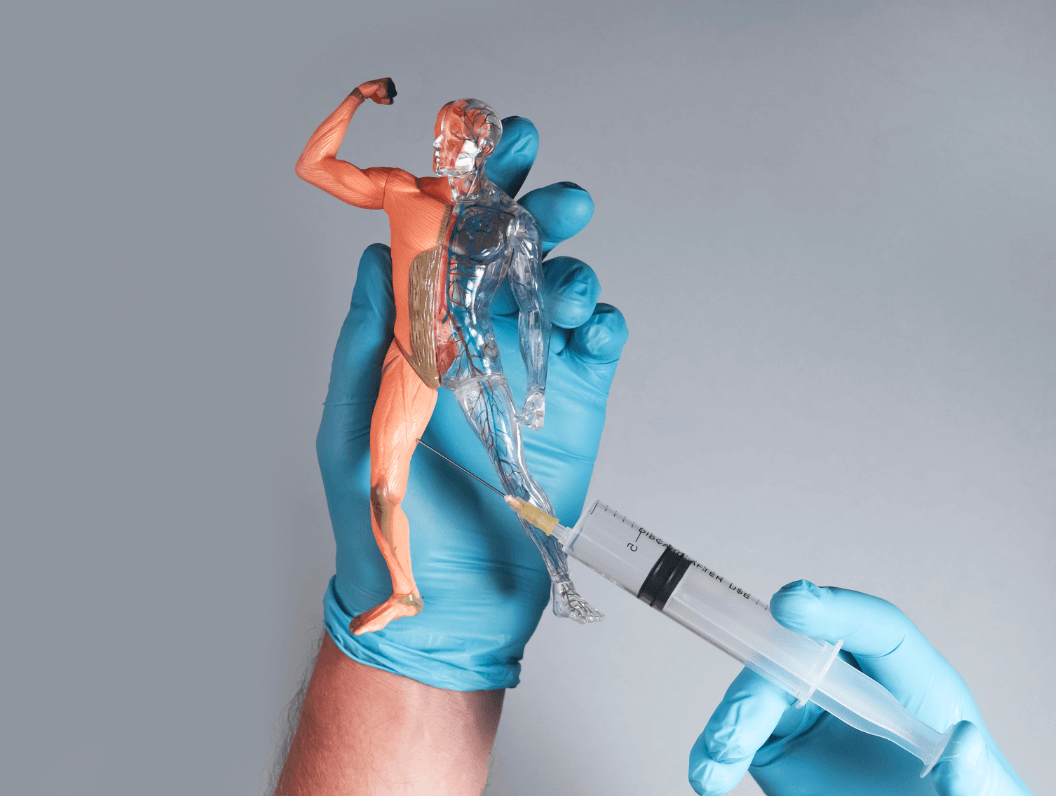
PRP therapy represents a groundbreaking approach to treating and managing muscle pain and strains. It harnesses the power of platelets to foster natural healing. Whether you’re an athlete looking to return to your sport or simply seeking relief from chronic muscle pain, PRP offers a promising solution.
Interested in exploring how PRP therapy can aid in your recovery?
Contact us at STEMS for a personalized consultation and take the first step toward healing and pain-free living.
Related Posts
- PRP therapy for tennis elbow vs golfer’s elbow
- PRP for lower back pain and an active Miami lifestyle
- Why athletes are choosing PRP for sports injury recovery
- Can PRP help me with my muscle strain recovery?
- How PRP can help relieve plantar fasciitis pain
- Latest research into PRP treatment for bursitis
