

The Power of Regenerative Medicine for Tendon Repair
Are you suffering from a tendon tear and wondering if it’s reparable? The good news is that advancements in regenerative medicine, particularly stem cell treatments, offer promising solutions for tendon tears that were once considered difficult to repair and heal. In this article, we will explore the potential of regenerative medicine, specifically stem cell and platelet-rich plasma treatments, for tendon tears and why they are increasingly recognized as the best option for tendon repair.
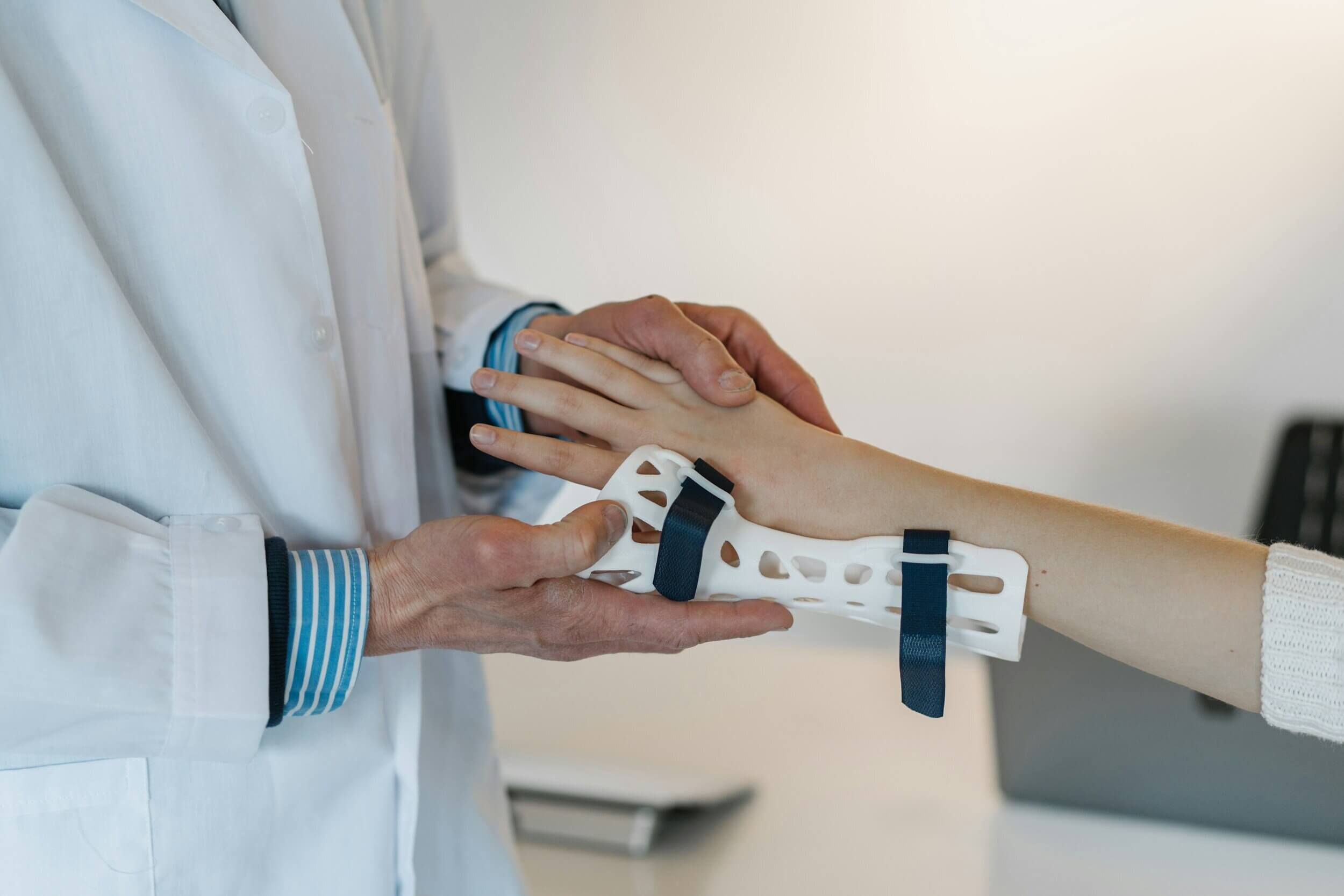
Is My Torn Tendon Repairable?
Tendon tears can be debilitating, affecting mobility and causing persistent pain. Many individuals facing this issue often wonder if their torn tendon is repairable. According to the American Academy of Orthopaedic Surgeons, tendon injuries affect millions of people each year, with an estimated 32 million individuals seeking medical care for musculoskeletal injuries, including tendon tears, in the United States alone. The prevalence of tendon tears is particularly high among athletes and older adults, with studies indicating that up to 30% of individuals over the age of 60 may have a tendon tear.
While surgery has been a traditional treatment approach for severe tendon tears, the success rate of surgical interventions can vary, with some studies reporting success rates ranging from 60% to 90% depending on the type and location of the tendon tear. However, with the emergence of regenerative medicine, particularly stem cell treatments, there is new hope for individuals with tendon tears.
What is Regenerative Medicine, and How Can it Help?
Regenerative medicine is a cutting-edge field that focuses on harnessing the body’s natural healing abilities to repair and regenerate damaged tissues. One of the key components of regenerative medicine is stem cell therapy, which involves using the body’s own stem cells or donor stem cells to promote tissue repair and regeneration. Stem cells have the remarkable ability to develop into different types of cells in the body, making them a powerful tool for repairing damaged tissues, including tendons.
Similarly, PRP therapy enhances the healing process by concentrating platelets from the patient’s blood and reinjecting them into the injured area. These platelets release growth factors that promote tissue repair and reduce inflammation, working synergistically with stem cells to accelerate recovery.
Stem Cell Therapy
Stem Cell Therapy involves using undifferentiated cells that have the potential to become any cell type in the body, including tendon cells. When injected into the site of a tendon tear, stem cells can differentiate into tenocytes (tendon cells), essentially rebuilding the tendon from within. This not only aids in healing the tear but also rejuvenates the surrounding tissue, promoting stronger and more resilient tendons.
Platelet-Rich Plasma (PRP) Therapy
PRP Therapy uses a concentration of a patient’s platelets, rich in growth factors, to accelerate the healing of injured tendons. By injecting PRP directly into the affected area, it enhances the body’s natural healing processes, reducing inflammation and stimulating tissue regeneration. This method has shown promise in treating both acute and chronic tendon injuries, offering a less invasive option compared to surgery with a quicker recovery time.

Why is Regenerative Medicine Best for Tendon Tears?
Regenerative medicine represents a paradigm shift in treating tendon tears. This field focuses on repairing, replacing, or regenerating human cells, tissues, or organs to restore or establish normal function.
Here are a few reasons why regenerative medicine offers so much support for tendon tears:
-
Tissue Regeneration: Unlike traditional treatments that focus on symptom management, regenerative medicine aims to promote actual tissue regeneration. Stem cell treatments can stimulate the growth of new, healthy tendon tissue, leading to more effective and long-lasting repair.
-
Minimally Invasive: Stem cell treatments for tendon tears are often minimally invasive procedures that can be performed on an outpatient basis. This means less trauma to the body, reduced risk of complications, and faster recovery compared to traditional open surgical procedures.
-
Reduced Risk of Re-tears: Regenerative medicine can help reduce the risk of re-tears and improve the overall durability of the repaired tendon by promoting the growth of strong and healthy tendon tissue.
-
Natural Healing Process: Stem cell therapy harnesses the body’s natural healing processes, using the patient’s cells to facilitate tissue repair. This can lead to more natural and robust healing compared to traditional treatments.
-
Potential for Pain Relief: In addition to promoting tissue regeneration, stem cell treatments may also have anti-inflammatory and pain-relieving effects, providing comprehensive relief for individuals with tendon tears.
-
Personalized Treatment: Regenerative medicine allows for personalized treatment approaches, tailoring the therapy to each patient’s specific needs and condition for optimal results.
For those suffering from tendon tears, the advancements in regenerative medicine offer a beacon of hope. Treatments like stem cell and PRP therapy not only provide effective repair solutions but also embody less invasive approaches with quicker recovery periods. As the field of regenerative medicine continues to evolve, it’s poised to redefine the treatment landscape for tendon injuries and other musculoskeletal conditions.
If you’re grappling with a tendon tear and traditional treatments haven’t provided relief, exploring regenerative medicine options could be your next step. Please consult with a physician at STEMS Health today, and let’s get you back to your active lifestyle sooner.
