

In the realm of regenerative medicine, Platelet-Rich Plasma (PRP) and Stem Cell Therapy have gained considerable attention for their potential in treating a wide range of medical conditions. While both therapies fall under the umbrella of regenerative medicine, they operate on distinct principles and have unique applications. We’ll explore the differences between PRP and stem cell therapy and how they work.
Platelet-Rich Plasma (PRP) Therapy
PRP therapy is a procedure that involves utilizing a concentrated form of the patient’s own blood to stimulate healing and tissue regeneration.
Here’s a step-by-step breakdown of how PRP therapy works:
- Blood Collection: A small amount of the patient’s blood is drawn, typically from the arm, in a manner similar to a routine blood test.
- Centrifugation: The collected blood is placed in a centrifuge, a machine that spins rapidly to separate its components. This process isolates the platelets and growth factors from the other blood components.
- Platelet-Rich Plasma: The resulting solution, known as Platelet-Rich Plasma (PRP), is rich in platelets and growth factors. These bioactive substances play a pivotal role in tissue repair and regeneration.
- Injection: The PRP is then carefully injected into the target area, such as an injured joint or tissue. The growth factors in PRP stimulate the body’s natural healing processes, promoting tissue repair and regeneration.
Stem Cell Therapy
Stem Cell Therapy involves the use of stem cells – cells with the remarkable ability to differentiate into various cell types – to promote healing and regeneration.
Here’s how stem cell therapy typically works:
- Stem Cell Source: Stem cells are harvested from the patient’s own body, usually from bone marrow or adipose (fat) tissue. The most common sites for bone marrow extraction are the pelvic bone or iliac crest. Adipose-derived stem cells are typically extracted from the abdominal area.
- Cell Isolation: The harvested tissue undergoes a specialized process in a laboratory setting. For bone marrow, this involves a centrifugation process similar to PRP therapy, which separates stem cells from other cells. For adipose tissue, an additional step to break down the fat tissue and isolate the stem cells is required.
- Cell Activation and Concentration: The isolated stem cells are then activated, often using specific growth factors or other techniques that enhance their regenerative capabilities. This step ensures the highest concentration and vitality of the stem cells
- Injection: The concentrated stem cells are precisely injected into the target area using advanced medical imaging, such as ultrasound or fluoroscopy. This ensures that the stem cells reach the site of injury or degeneration.
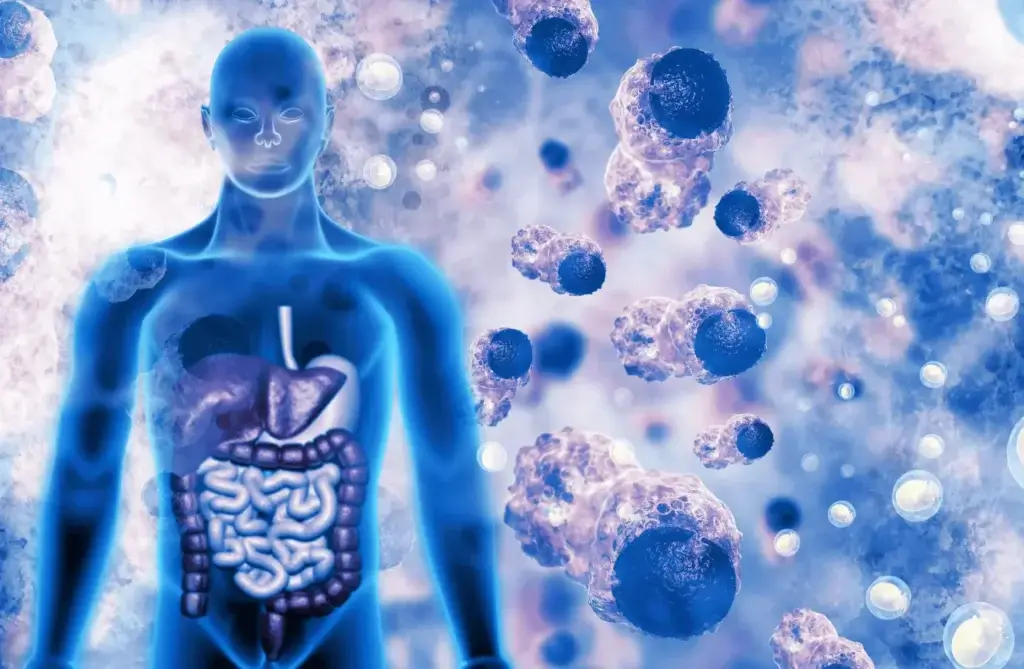
Key Differences Between PRP and Stem Cell Therapy
1. Cell Type:
- PRP Therapy: Utilizes platelets and growth factors extracted from the patient’s own blood. These components are crucial for clotting and tissue healing.
- Stem Cell Therapy: Employs stem cells, often harvested from the patient’s bone marrow or adipose tissue. These cells have the unique ability to differentiate into various types of cells, offering broader treatment applications.
2. Regenerative Mechanism:
- PRP Therapy: Primarily focuses on accelerating the body’s natural healing process. The growth factors in PRP enhance tissue repair and reduce inflammation but do not replace damaged tissue.
- Stem Cell Therapy: Offers a more extensive regenerative potential. Stem cells can transform into the specific types of cells needed in the damaged area, potentially regenerating tissues like cartilage, bone, and muscle.
3. Application:
- PRP Therapy: Commonly used for soft tissue injuries such as tendonitis, ligament strains, and muscle pain injuries. Ideal for conditions where enhancement of the body’s natural healing response is beneficial.
- Stem Cell Therapy: Applied in a broader range of conditions, including degenerative joint diseases like osteoarthritis, more extensive cartilage damage, and certain chronic conditions. It’s particularly effective in areas where tissue regeneration is needed.
4. Technique & Procedure
- PRP Therapy: Involves a simple blood draw, followed by centrifugation to concentrate platelets. The procedure is relatively quick and can be done in an office setting.
- Stem Cell Therapy: Requires a more complex harvesting process, either from bone marrow or adipose tissue. The procedure might involve local anesthesia and a more involved post-procedure recovery.
Making Informed Choices
Understanding the differences between PRP and Stem Cell Therapy is crucial for making informed healthcare decisions. Each therapy has its strengths and is suited to specific medical conditions. By leveraging the potential of these innovative therapies, you can explore new avenues for healing and improved quality of life.
Are you interested in one of these therapies? Consult with a member of the STEMS Health team to determine which approach aligns best with your individual needs and goals.
