

Exploring Statistical Effectiveness and Benefits
Spinal stenosis, marked by the narrowing of the spinal canal, affects a significant portion of the population, particularly those over the age of 50. Studies show that spinal stenosis is present in up to 95% of people by the age of 50, although not all exhibit symptoms (North American Spine Society). It’s a leading cause of pain, numbness, and weakness in older adults, impacting millions worldwide.
While surgical intervention is an option, there’s a growing body of evidence supporting non-surgical approaches as effective alternatives. These methods, ranging from physical therapy to regenerative medicine, offer pain relief and improved functionality without the risks associated with surgery. This article aims to provide a comprehensive overview of these non-surgical options, their benefits, and their potential in managing spinal stenosis effectively.
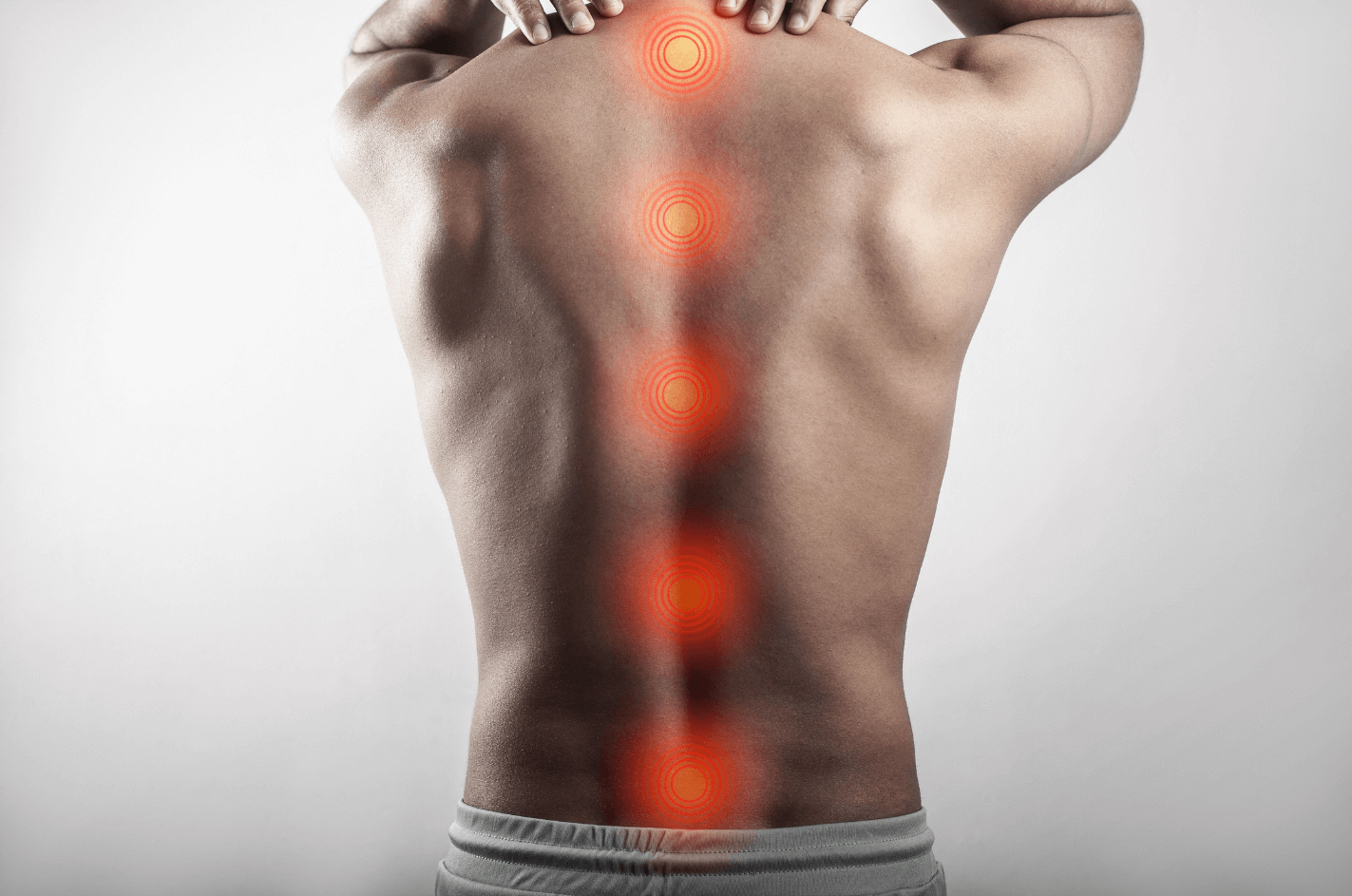
Physical Therapy:
Physical therapy stands as a robust non-surgical solution for spinal stenosis. Notably, a study cited by the American Physical Therapy Association highlights its efficacy, revealing that physical therapy can substantially enhance pain management, mobility, and overall function for those with spinal stenosis. Physical therapists devise personalized exercise programs aimed at bolstering the spine’s supporting muscles, improving flexibility, and optimizing posture. These tailored regimens can substantially alleviate pain and elevate the overall health of your spine.
Epidural Steroid Injections:
When it comes to pain relief, epidural steroid injections wield substantial statistical backing. Research featured in the American Journal of Physical Medicine & Rehabilitation underscores their efficacy, demonstrating that such injections are instrumental in diminishing pain and enhancing functionality in individuals dealing with spinal stenosis. Epidural steroid injections provide a direct route to the problem area, delivering anti-inflammatory medication that reduces swelling and subsequently alleviates pain. It’s important to note, however, that steroid injections often come with negative long-term side effects such as accelerated cartilage degeneration.
Medications:
Medications, including nonsteroidal anti-inflammatory drugs (NSAIDs) and muscle relaxants, constitute a common pharmaceutical approach for spinal stenosis pain management. The Arthritis Foundation underscores the utility of NSAIDs, emphasizing their role in reducing inflammation and discomfort. These medications offer temporary relief by mitigating pain and inflammation, thereby enabling individuals to engage in physical therapy and regain functionality.
Lifestyle Modifications:
Emphasizing lifestyle modifications can be pivotal in the management of spinal stenosis. The North American Spine Society, for instance, highlights their significance, particularly in preventing the condition from deteriorating. Simple yet impactful changes like adopting a health-conscious diet and incorporating low-impact exercises can effectively manage weight and mitigate pressure on the spine.
Chiropractic Care:
Chiropractic care, characterized by spinal manipulation, has demonstrated its efficacy in diminishing pain and enhancing mobility for individuals grappling with spinal stenosis. The American Chiropractic Association attests to this, indicating that spinal manipulation can play a pivotal role in restoring spinal alignment and function. Chiropractors employ manual techniques to realign the spine, reducing nerve pressure and culminating in pain relief.
Regenerative Medicine:
Regenerative medicine offers a novel approach to treating spinal stenosis. This field focuses on repairing or replacing damaged tissues and organs. It includes treatments like stem cell therapy, exosome therapy, and platelet-rich plasma (PRP) injections, which have shown promise in regenerating spinal tissue and alleviating symptoms of spinal stenosis. These therapies aim to address the root causes of spinal degeneration, offering a potentially more sustainable solution compared to traditional symptom management strategies.
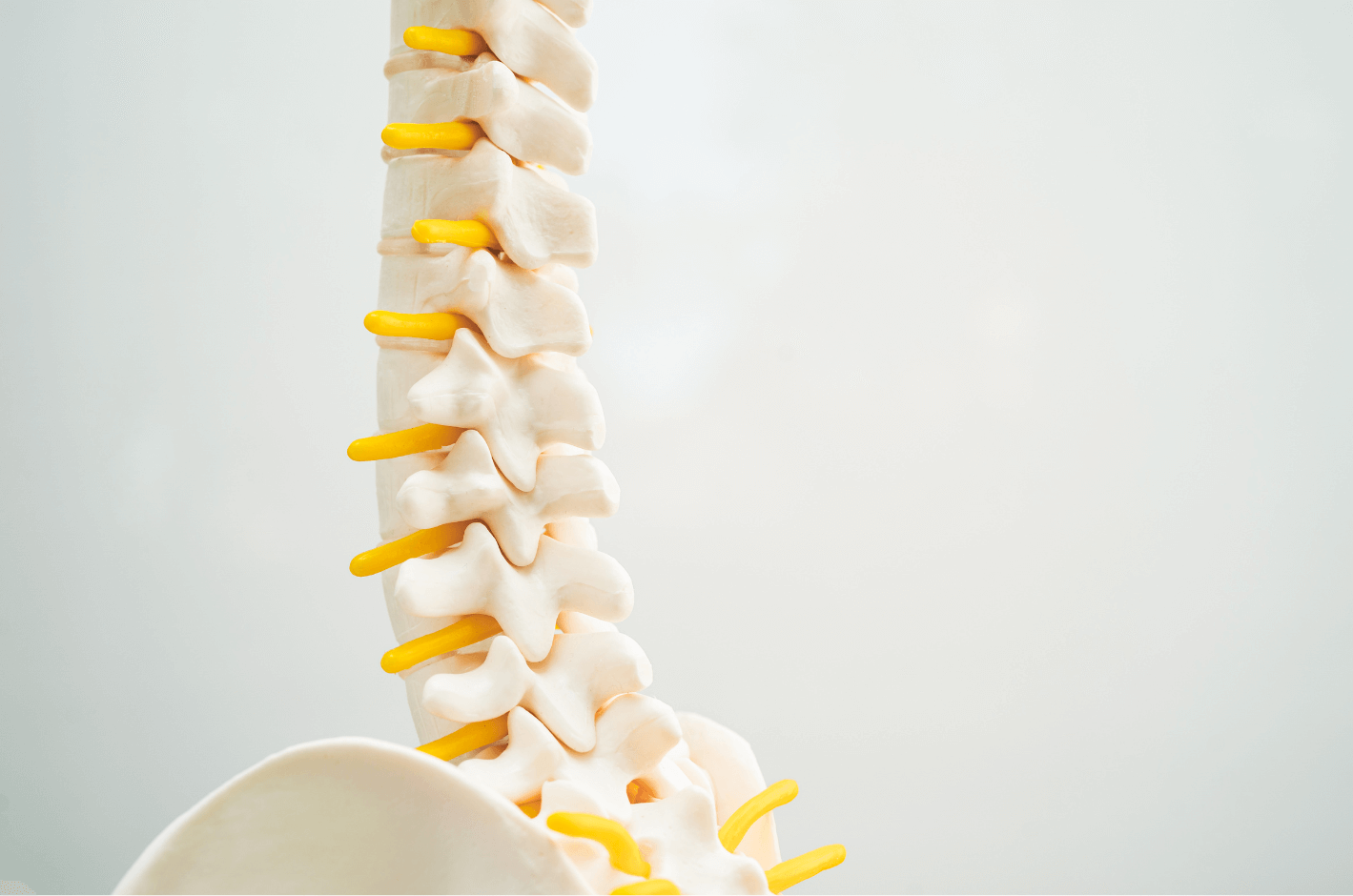
Surgery does not need to be the immediate recourse when confronted with spinal stenosis. Non-surgical treatments, steeped in statistical support, offer compelling avenues for pain relief and improved quality of life. Nevertheless, the key lies in consulting with a healthcare professional to identify the most suitable approach for your unique condition.
At STEMS Health, we offer regenerative medicine options specifically tailored to manage spinal stenosis effectively. Feel free to reach out to us for a personalized treatment plan aligned with your individual needs and preferences. Your journey to spinal health starts here.
