

A Comprehensive Guide to Non-Surgical Herniated Disc Treatment
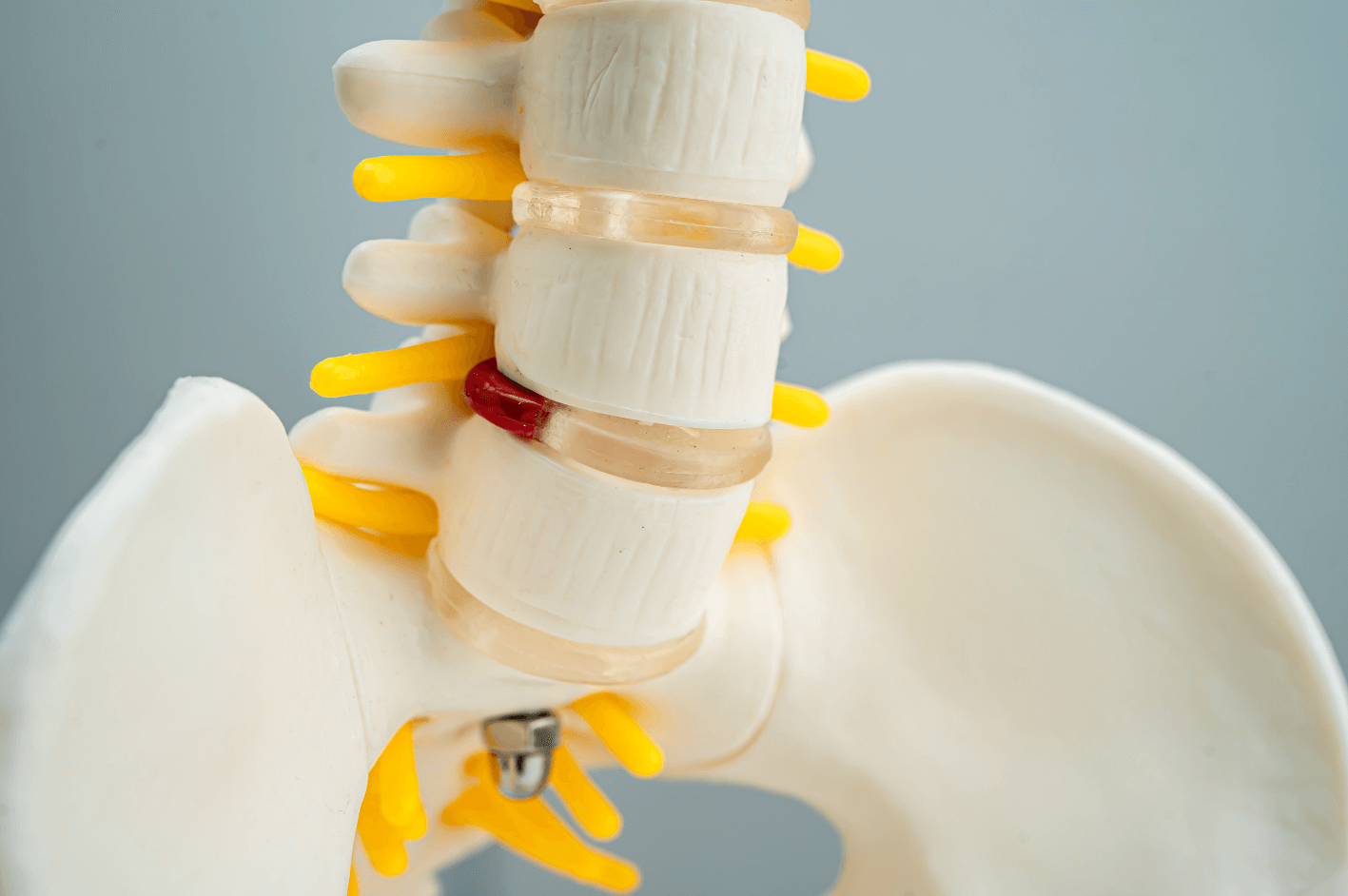
Herniated discs, a prevalent spinal condition, affect a substantial number of individuals worldwide. According to the American Association of Neurological Surgeons, herniated discs impact approximately 1 to 3 percent of the population, with most cases occurring in individuals between the ages of 35 and 50. The symptoms, which can include pain, numbness, and weakness, can be debilitating. However, surgery isn’t the only path to relief. In this article, we’ll explore non-surgical options for overcoming herniated discs, offering insights into effective strategies that can help you regain control of your life.
Physical Therapy:
Physical therapy plays a pivotal role in the non-surgical management of herniated discs. A study published in the Journal of Orthopaedic & Sports Physical Therapy highlights that physical therapy interventions can significantly reduce pain and improve function in individuals with lumbar disc herniation.
Physical therapists can develop customized exercise regimens aimed at strengthening the muscles supporting the spine, improving flexibility, and optimizing posture. These targeted exercises can alleviate pain and enhance overall spine health.
Epidural Steroid Injections:
Epidural steroid injections, a well-established non-surgical treatment, provide effective pain relief for herniated disc sufferers. Research in the journal Pain Physician demonstrates that these injections can lead to substantial pain reduction and improved functional outcomes (Pain Physician). Epidural steroid injections deliver anti-inflammatory medication directly to the affected area, reducing swelling and providing relief from pain and discomfort. While steroid injections can offer temporary pain relief for some back conditions, there are potential downsides and long-term risks to consider before opting for this treatment, such as accelerated cartilage degeneration.
Medications:
Medications, such as nonsteroidal anti-inflammatory drugs (NSAIDs) and muscle relaxants, serve as valuable tools in herniated disc pain management. These medications provide temporary relief by alleviating pain and inflammation, allowing patients to engage in physical therapy and regain functionality.
Lifestyle Modifications:
Lifestyle changes are instrumental in managing herniated disc symptoms and preventing further issues. Simple modifications, such as maintaining a healthy weight, adopting ergonomic practices, and avoiding activities that exacerbate symptoms can have a profound impact on pain reduction and quality of life.
Chiropractic Care:
Chiropractic care, involving spinal manipulation, offers a non-surgical approach to herniated disc management. Spinal manipulation can significantly reduce pain and disability associated with disc herniation. Chiropractors use manual techniques to realign the spine, alleviating pressure on nerves and providing pain relief.
Regenerative Medicine:
In recent years, regenerative medicine has emerged as a promising avenue for addressing the challenges posed by herniated discs. Procedures such as platelet-rich plasma (PRP) therapy and stem cell therapy harness the body’s natural healing capabilities to promote tissue repair and reduce inflammation. Studies have shown that PRP injections can stimulate tissue regeneration and accelerate the healing process in musculoskeletal conditions. Similarly, stem cell therapy, which involves injecting stem cells derived from your own body into the affected area, has demonstrated potential in enhancing tissue repair.
These regenerative approaches aim to not only alleviate pain but also facilitate the healing of damaged discs. By promoting the regeneration of injured tissues, regenerative medicine offers a promising alternative for individuals seeking non-surgical options for herniated disc treatment.
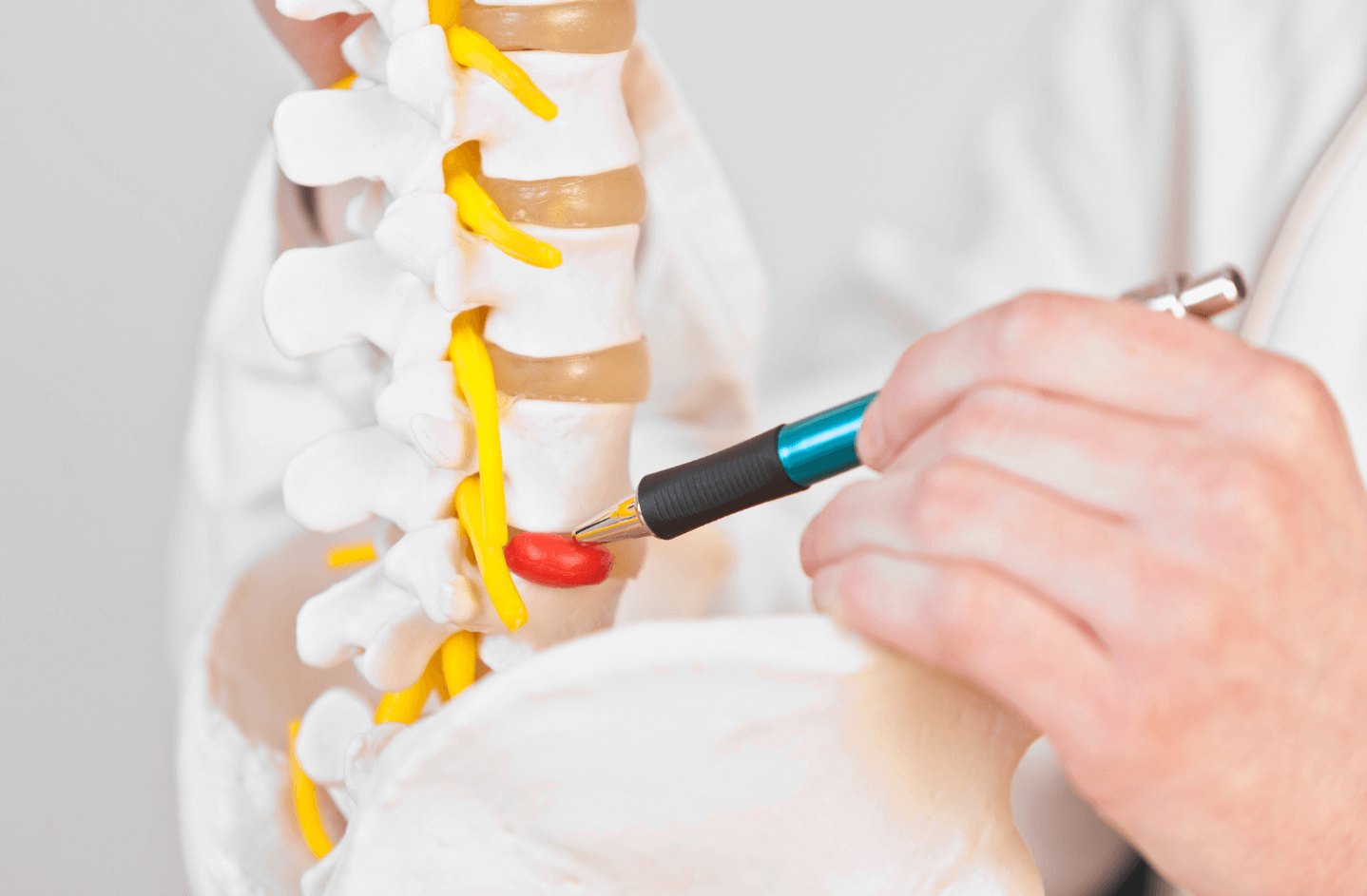
While herniated discs can be debilitating, surgery isn’t the only solution. Non-surgical options, supported by statistics and expert insights, offer effective strategies for overcoming the challenges posed by this condition.
At STEMS Health, we specialize in providing regenerative medicine solutions tailored to manage herniated discs effectively. Reach out to us to explore personalized treatment plans designed to help you regain control of your life and find relief from herniated disc-related pain and discomfort.
