

Unlocking Relief for Heel Pain With Platelet-Rich Plasma Therapy
Plantar fasciitis, a common yet painful condition, affects countless individuals, significantly impacting their daily activities and quality of life. Characterized by sharp, stabbing pain in the heel, this condition can be stubbornly persistent, making every step a challenge. While traditional treatments offer relief to some, others continue to search for more effective solutions. Enter Platelet-Rich Plasma for plantar fasciitis pain. Platelet-Rich Plasma (PRP) therapy is a cutting-edge treatment that has shown promising results in alleviating plantar fasciitis pain.

Understanding Plantar Fasciitis
Plantar fasciitis is the inflammation of the plantar fascia, a thick band of tissue that runs across the bottom of your foot and connects your heel bone to your toes. It’s most commonly caused by repetitive strain injury to the ligament of the sole. This strain injury can be due to excessive running or walking, inadequate foot gear, or jumping injury from landing. Symptoms typically include a sharp, stabbing pain in the bottom of the foot near the heel, which is usually worse in the morning or after prolonged periods of rest.
What Causes Plantar Fasciitis?
While repetitive strain from excessive running, walking, or jumping is a primary culprit, several other risk factors can contribute to developing this frustrating condition:
-
Age – Plantar fasciitis is more prevalent between ages 40-60
-
Obesity – Extra weight puts increased stress on the plantar fascia
-
Foot mechanics issues like flat feet or high arches
-
Occupations requiring prolonged standing or walking on hard surfaces
-
Tightness in the Achilles tendon
The telltale signs include heel pain that’s often worse first thing in the morning or after periods of rest, along with decreased flexibility, swelling, and stiffness in the affected foot.
Traditional Treatments for Plantar Fasciitis
Traditional treatments for plantar fasciitis focus on relieving pain and inflammation, improving foot mechanics, and strengthening foot muscles. These may include:
-
Rest and Ice: Reducing activities that exacerbate the pain and applying ice to reduce inflammation.
-
Physical Therapy: Exercises to stretch the plantar fascia and Achilles tendon and to strengthen lower leg muscles, which stabilize your ankle and heel.
-
Orthotics: Custom-fitted arch supports to distribute pressure to your feet more evenly.
-
Medications: Nonsteroidal anti-inflammatory drugs (NSAIDs) to reduce pain and inflammation.
While these treatments are effective for many, some individuals continue to experience persistent pain.
The Role of PRP Injections
PRP therapy is a form of regenerative medicine that utilizes the healing properties of the patient’s blood to accelerate the repair of injured tissues. In the context of plantar fasciitis, PRP injections aim to stimulate the body’s natural healing processes to repair the damaged plantar fascia.
Benefits of PRP Injections for Plantar Fasciitis
PRP injections offer several benefits for individuals with plantar fasciitis, including:
-
Enhanced Healing: PRP therapy promotes the regeneration of the damaged plantar fascia tissue, potentially leading to more durable healing compared to traditional treatments.
-
Reduced Inflammation: The growth factors in PRP can reduce inflammation and decrease pain more effectively.
-
Minimal Downtime: PRP therapy is a minimally invasive procedure, allowing patients to return to their daily activities with minimal downtime.
-
Safety: Since PRP is derived from the patient’s blood, the risk of adverse reactions is significantly reduced.
What To Expect During and After PRP Treatment
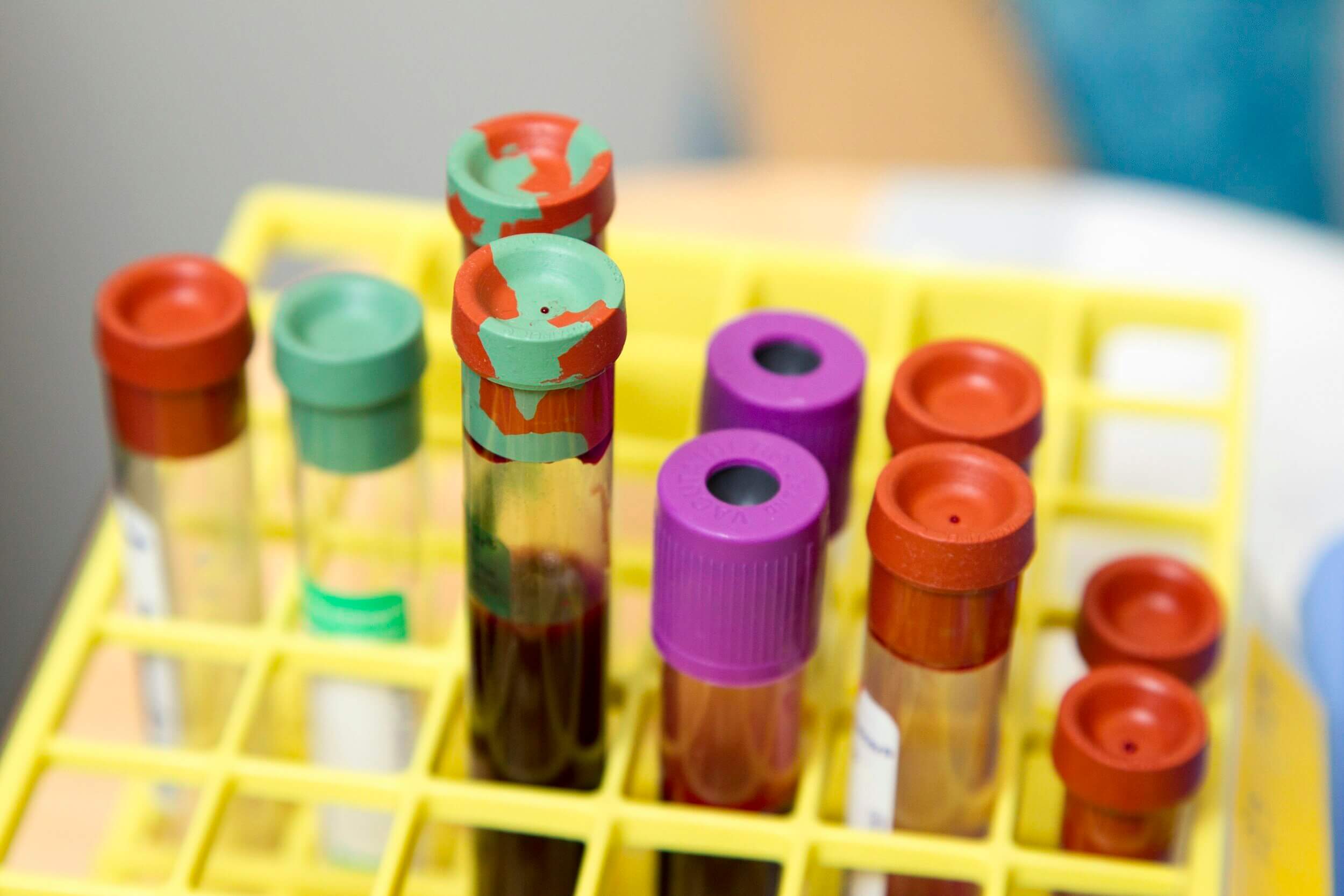
During the Treatment: The PRP treatment process begins with drawing a small amount of the patient’s blood. The blood is then placed in a centrifuge to separate the platelets from other blood components. The concentrated platelet-rich plasma is then injected directly into the affected area of the foot.
After the Treatment, Patients may experience mild soreness and swelling at the injection site, which typically subsides within a few days. Most individuals can resume normal activities shortly after the procedure, although strenuous activities should be avoided for a period recommended by the healthcare provider.
Is PRP Therapy Right for You?
PRP therapy may be an excellent option for individuals with plantar fasciitis who have not found relief from traditional treatments. However, it’s essential to consult with a healthcare provider specializing in regenerative medicine to determine if PRP therapy is suitable for your specific condition. Factors such as the severity of the plantar fasciitis, overall health, and treatment goals will be considered to ensure the best possible outcome.
By harnessing the body’s natural healing capabilities, PRP injections offer a safe and effective treatment and pain management option, providing hope for those seeking relief from this debilitating condition.
If you’re battling persistent plantar fasciitis pain, contact us at STEMS Health today to determine if it’s the right choice for you.
