

Exploring the Difference Between These Regenerative Injection Therapies
In the pursuit of effective, non-surgical solutions to manage chronic pain, heal injuries, and restore optimal function, the fields of regenerative medicine and orthobiologics have pioneered innovative therapies that harness the body’s innate healing capabilities. Two such modalities, prolotherapy and platelet-rich plasma (PRP) therapy, have gained significant attention for their potential to alleviate musculoskeletal conditions and promote tissue repair. While both approaches leverage the body’s regenerative powers, they differ in their mechanisms of action, preparation methods, and potential applications.
In this article, we’ll explore the distinctions between prolotherapy and PRP therapy, shedding light on their respective processes, benefits, and the conditions they may address.
What is Prolotherapy?
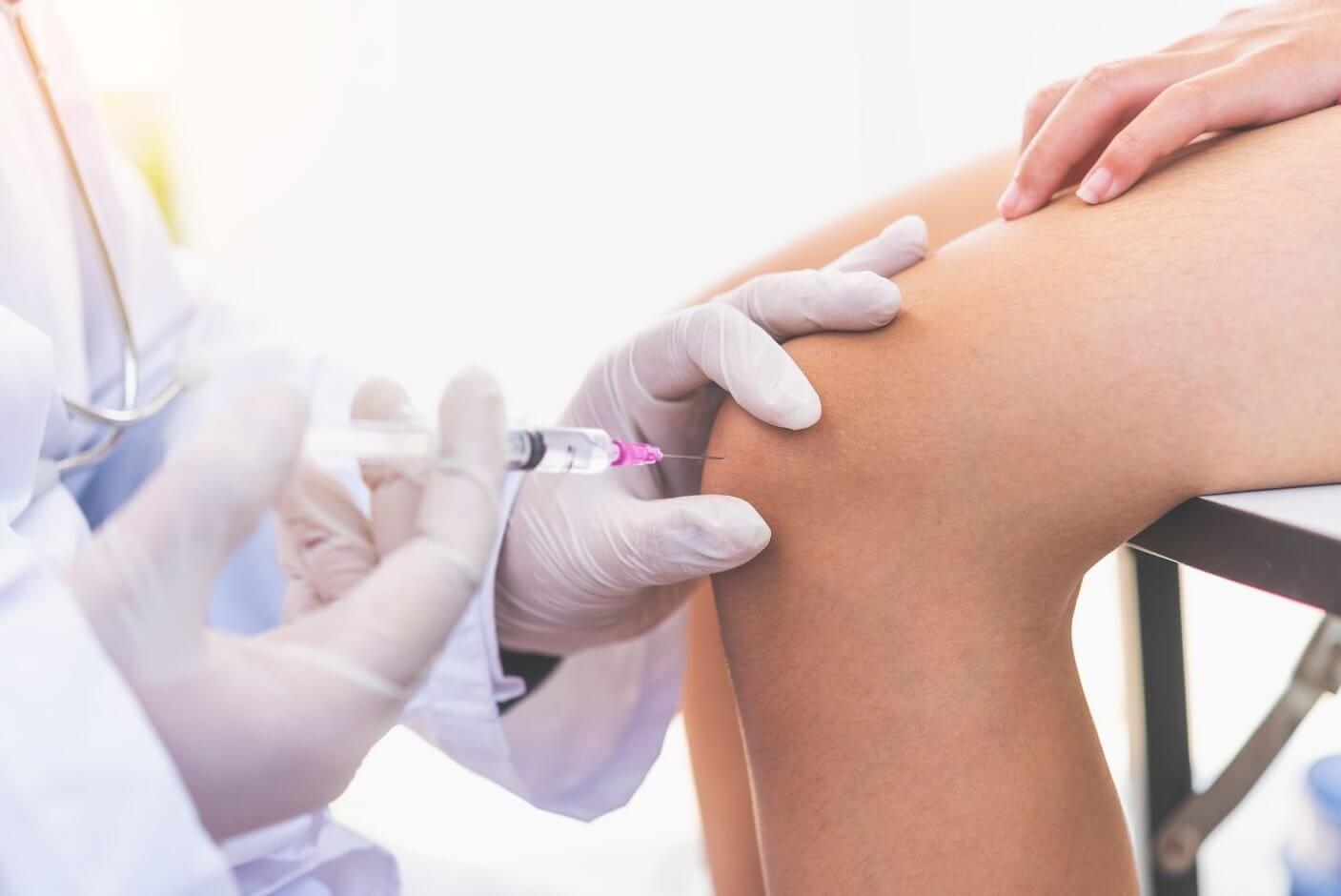
Prolotherapy, also known as proliferation therapy or regenerative injection therapy, is a treatment modality that aims to stimulate the body’s natural healing processes by inducing a controlled inflammatory response in the affected area. The procedure involves injecting a mild irritant solution, typically consisting of dextrose (sugar water), saline, or other approved substances, into the damaged or weakened connective tissues, such as ligaments, tendons, or joints.
This injection causes a localized, controlled inflammation, triggering the body’s healing mechanisms, including increased blood flow to the area, inflammation, and immune cell activation, proliferation of fibroblasts (cells that produce collagen), and the deposition of new collagen fibers. Over time, this process can lead to the strengthening and stabilization of the weakened connective tissues, potentially alleviating pain, improving joint stability, and enhancing overall function.
Prolotherapy is typically used to treat chronic musculoskeletal conditions, such as osteoarthritis, tendinopathies (e.g., tennis elbow, Achilles tendinitis), ligament sprains or tears, back and neck pain (e.g., sacroiliac joint dysfunction, degenerative disc disease), and knee, shoulder, and other joint instabilities.
What is PRP Therapy?
Platelet-rich plasma (PRP) therapy is a regenerative medicine treatment that utilizes the patient’s own blood to promote tissue healing and repair. The process involves drawing a small amount of the patient’s blood and processing it in a centrifuge to concentrate the platelets, which are rich in growth factors and other bioactive molecules.
This concentrated platelet-rich plasma is then injected into the site of injury or damage, where it can stimulate the body’s natural healing mechanisms. The growth factors and other molecules present in the PRP can promote the recruitment of stem cells and other reparative cells to the injection site, accelerate the formation of new blood vessels (angiogenesis), and support the synthesis of new connective tissues, such as collagen and cartilage.
PRP therapy has been explored for various musculoskeletal conditions, including tendon injuries (e.g., rotator cuff tears, Achilles tendinopathy), osteoarthritis, muscle strains, and ligament sprains. Additionally, PRP has potential applications in other areas, such as wound healing, cosmetic procedures (e.g., hair restoration, facial rejuvenation), and orthopedic surgeries (e.g., bone grafting, soft tissue repair).
Comparing Prolotherapy versus PRP Therapy
While both prolotherapy and PRP therapy aim to promote natural healing, there are distinct differences in their mechanisms of action, preparation methods, and potential applications.
Mechanism of Action:
-
Prolotherapy: Induces a controlled inflammatory response by injecting an irritant solution, stimulating the body’s healing mechanisms and collagen production.
-
PRP Therapy: Utilizes the patient’s own concentrated platelets, rich in growth factors and bioactive molecules, to stimulate tissue repair and regeneration.
Preparation and Administration:
-
Prolotherapy: The irritant solution (e.g., dextrose, saline) is prepared and injected directly into the affected area.
-
PRP Therapy: The patient’s blood is drawn, processed in a centrifuge to concentrate the platelets, and the resulting PRP is injected into the treatment site.
Potential Applications:
-
Prolotherapy: Commonly used for musculoskeletal conditions, such as joint pain, tendon and ligament injuries, and arthritis.
-
PRP Therapy: Explored for various musculoskeletal conditions, including tendon injuries, osteoarthritis, muscle strains, ligament sprains, as well as wound healing, cosmetic procedures, and orthopedic surgeries.
Invasiveness and Recovery:
Both prolotherapy and PRP therapy are generally considered minimally invasive procedures with relatively short recovery times.
Long-term Outcomes:
-
Prolotherapy: May provide long-lasting relief and improved function, but the effects may diminish over time, requiring additional treatments.
-
PRP Therapy: Aims to facilitate long-term tissue regeneration and functional restoration, potentially offering more durable outcomes.
Scientific Research and Evidence:
-
Prolotherapy: Several studies have shown promising results for various musculoskeletal conditions, but more high-quality research is needed to establish its efficacy and optimal protocols [1].
-
PRP Therapy: Numerous studies have investigated the use of PRP for various applications, with some showing positive results in promoting tissue healing and regeneration, while others have reported mixed or inconclusive findings. More robust research is still needed to establish standardized protocols and optimal indications [2, 3].
It’s important to note that both prolotherapy and PRP therapy are actively researched areas in regenerative medicine, and their efficacy and safety profiles may vary depending on the specific condition, preparation methods, and individual patient factors.
Making an Informed Decision
When considering prolotherapy or PRP therapy, it’s essential to consult with a qualified healthcare professional who specializes in regenerative medicine and orthobiologics. They can evaluate your specific condition, discuss the potential risks and benefits of each treatment option, and develop a personalized treatment plan aligned with your goals and preferences.
At our regenerative medicine clinic, we prioritize providing our patients with the latest evidence-based treatments and a comprehensive approach to their care. Our team of experts stays up-to-date with the latest research and developments in the field, ensuring that we offer safe, effective, and cutting-edge therapies tailored to each individual’s needs.
If you’re interested in exploring prolotherapy, PRP therapy, or other regenerative medicine treatments, we encourage you to schedule a consultation with our experienced healthcare professionals. Together, we can embark on a journey towards natural healing, pain relief, and optimal function, harnessing the remarkable regenerative powers of the human body.
References:
[1] Rabago, D., Slattengren, A., & Zgierska, A. (2010). Prolotherapy in primary care practice. Primary Care, 37(1), 65-80. https://doi.org/10.1016/j.pop.2009.09.013
[2] Andia, I., & Maffulli, N. (2019). Platelet-rich plasma for managing pain and inflammation in osteoarthritis. Nature Reviews Rheumatology, 15(4), 219-234. https://doi.org/10.1038/s41584-019-0186-7
[3] HPaff, C., Burrows, S., Herten, M., Fertl, A., & Lemm, J. (2022). Current evidence for and against platelet-rich plasma in orthopaedics and sports medicine: A systematic review and meta-analysis. Platelets, 33(6), 871-906. https://doi.org/10.1080/09537104.2022.2042293
