

The Differences Between Prolotherapy and Stem Cell Therapy, Two Regenerative Treatment Options
In the quest for effective, non-surgical solutions to alleviate chronic pain, promote healing, and restore optimal function, two approaches have garnered attention as of late: prolotherapy and regenerative medicine therapies like stem cell treatments. While both modalities harness the body’s innate healing capabilities, they differ in their mechanisms of action and potential applications. This article will explore the distinctions between prolotherapy and regenerative therapies, shedding light on their respective processes, potential benefits, and the conditions they may address.
Prolotherapy: Controlled Inflammation for Healing
For individuals seeking natural, non-surgical solutions to alleviate chronic pain and promote healing, prolotherapy has emerged as a promising approach. This regenerative injection therapy stimulates the body’s innate ability to repair damaged tissues by inducing a controlled inflammatory response.
What is Prolotherapy?
Prolotherapy, also known as proliferation therapy or regenerative injection therapy, is a treatment modality that aims to stimulate the body’s natural healing processes by inducing a controlled inflammatory response in the affected area.
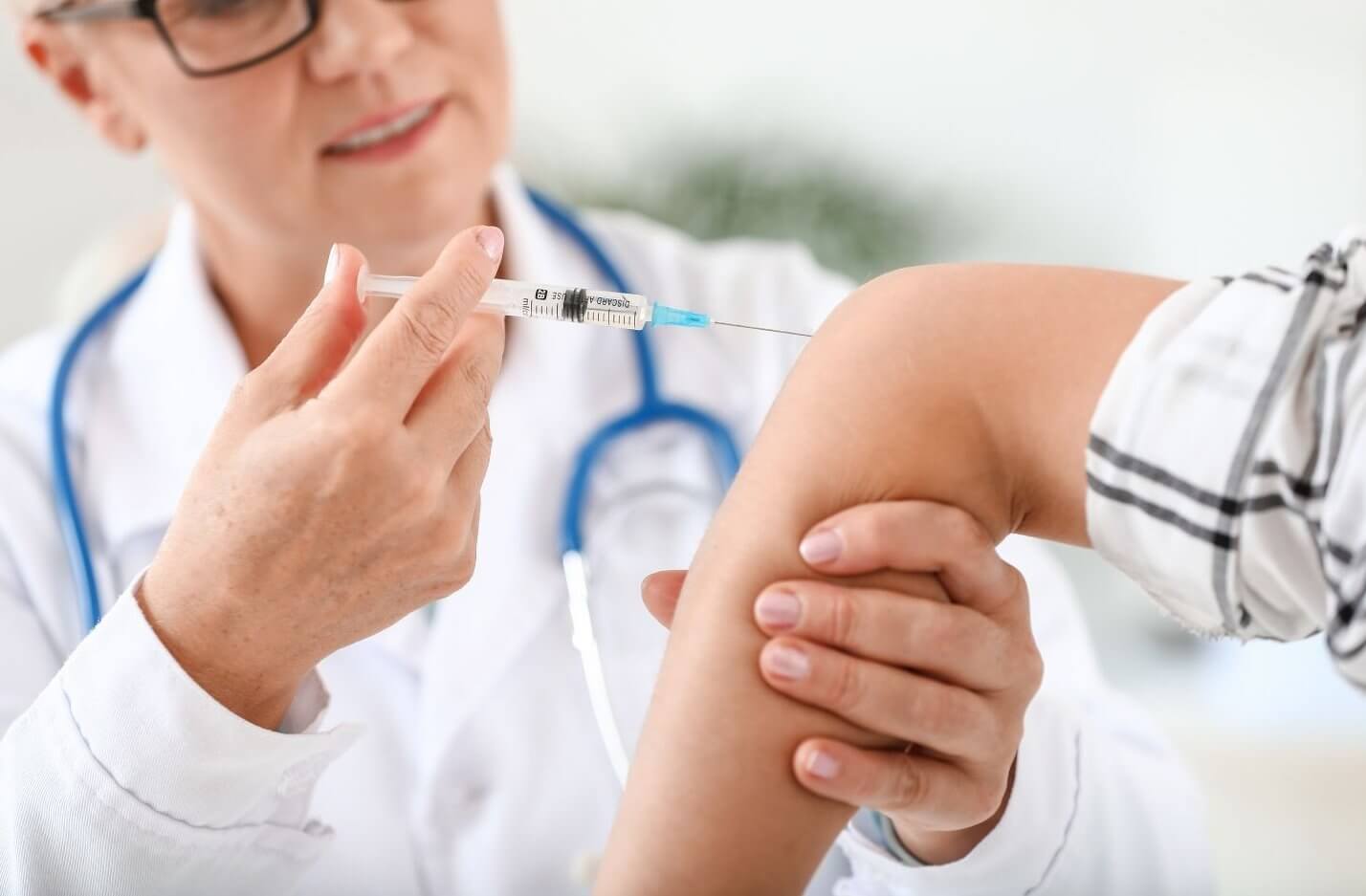
The procedure involves injecting a mild irritant solution, typically consisting of dextrose (sugar water), saline, or other approved substances, into the damaged or weakened connective tissues, such as ligaments, tendons, or joints. This injection causes a localized, controlled inflammation, which triggers the body’s healing mechanisms.
When the body perceives the injected solution as an “injury,” it initiates a cascade of events to repair the perceived damage. This includes:
-
Increased blood flow to the area
-
Inflammation and immune cell activation
-
Proliferation of fibroblasts (cells that produce collagen)
-
Deposition of new collagen fibers
Over time, this process can lead to the strengthening and stabilization of the weakened connective tissues, potentially alleviating pain, improving joint stability, and enhancing overall function.
What Conditions Can Prolotherapy Treat?
Prolotherapy is typically used to treat chronic musculoskeletal conditions, such as:
-
Osteoarthritis
-
Tendinopathies (e.g., tennis elbow, Achilles tendinitis)
-
Ligament sprains or tears
-
Back and neck pain (e.g., sacroiliac joint dysfunction, degenerative disc disease)
-
Knee, shoulder, and other joint instabilities
By harnessing the body’s innate healing capabilities, prolotherapy offers a non-surgical, minimally invasive approach to managing chronic pain and promoting tissue repair. However, it’s important to note that the effectiveness of prolotherapy may vary depending on the specific condition, severity, and individual factors.
What Are the Downsides to Prolotherapy?
Prolotherapy is generally considered a safe procedure when performed by a trained professional, but there are some potential risks and side effects to be aware of:
-
Pain and discomfort at the injection site: Since prolotherapy intentionally causes a controlled inflammatory reaction, patients may experience pain, swelling, stiffness or bruising in the treated area for a few days after the procedure.
-
Infection risk: As with any injection procedure, there is a small risk of introducing an infection if sterile technique is not properly followed.
-
Nerve irritation: If the prolotherapy solution is injected too close to a nerve, it can potentially cause temporary nerve irritation or numbness.
-
Allergic reactions: Though rare, some patients may have an allergic reaction to the dextrose or other substances used in the prolotherapy solution.
-
Temporary muscle spasms: The inflammatory reaction can sometimes cause muscle spasms or cramping in the treated area.
Overall, when performed correctly by an experienced provider, prolotherapy has a very low rate of serious adverse events. Most side effects are minor and temporary. However, it is still an invasive procedure, so proper precautions and patient screening are important to minimize risks.
Comparing Prolotherapy and Stem Cell Treatment
While both prolotherapy and stem cell treatments aim to promote natural healing, there are distinct differences in their mechanisms of action and potential applications.
Mechanism of Action
-
Prolotherapy: Induces a controlled inflammatory response by injecting an irritant solution, stimulating the body’s healing mechanisms and collagen production
-
Stem Cell Treatment: Introduces (usually the body’s own) stem cells to facilitate tissue repair and regeneration.
Potential Applications
-
Prolotherapy: Commonly used for musculoskeletal conditions, such as joint pain, tendon and ligament injuries, and arthritis
-
Stem Cell Treatment: Applicable to a broader range of conditions, including orthopedic injuries, neurological disorders, cardiovascular diseases, and autoimmune disorders.
Invasiveness and Recovery
-
Prolotherapy: Generally considered minimally invasive, with relatively short recovery times
-
Stem Cell Treatment: Also generally considered minimally invasive, with relatively short recovery times
Long-term Outcomes
-
Prolotherapy: May provide long-lasting relief and improved function, but the effects may diminish over time, requiring additional treatments
-
Stem Cell Treatment: Aims to facilitate long-term tissue regeneration and functional restoration, potentially offering more durable outcomes.
It’s important to note that both prolotherapy and regenerative therapies are still actively researched, and their efficacy and safety profiles may vary depending on the specific condition and individual patient factors.
Making an Informed Decision
When considering prolotherapy or PRP therapy, it’s essential to consult with a qualified healthcare professional who specializes in regenerative medicine and orthobiologics. They can evaluate your specific condition, discuss the potential risks and benefits of each treatment option, and develop a personalized treatment plan aligned with your goals and preferences.
At STEMS Health, we prioritize providing our patients with the latest evidence-based treatments and a comprehensive approach to their care. Our team of experts stays up-to-date with the latest research and developments in the field, ensuring that we offer safe, effective, and cutting-edge therapies tailored to each individual’s needs.
If you’re interested in exploring prolotherapy, stem cell therapy, or other regenerative medicine treatments, we encourage you to schedule a consultation with our experienced healthcare professionals. Together, we can embark on a journey towards natural healing, pain relief, and optimal function, harnessing the remarkable regenerative powers of the human body.
References:
[1] López-Otín, C., Blasco, M.A., Partridge, L., Serrano, M., & Kroemer, G. (2023). Hallmarks of aging: An expanding universe. Cell, 186(1), 18-38. https://doi.org/10.1016/j.cell.2022.11.001
