

Explore the Cutting-Edge Science Behind the Biological Processes Driving Aging
As we age, our bodies undergo a myriad of changes that contribute to the gradual decline in function and increased susceptibility to age-related diseases. Understanding the underlying biological processes that drive aging is crucial for developing effective interventions to promote healthy longevity. In a groundbreaking study, researchers have proposed 12 hallmarks of aging, providing a comprehensive framework for understanding the complex mechanisms involved in this natural process.
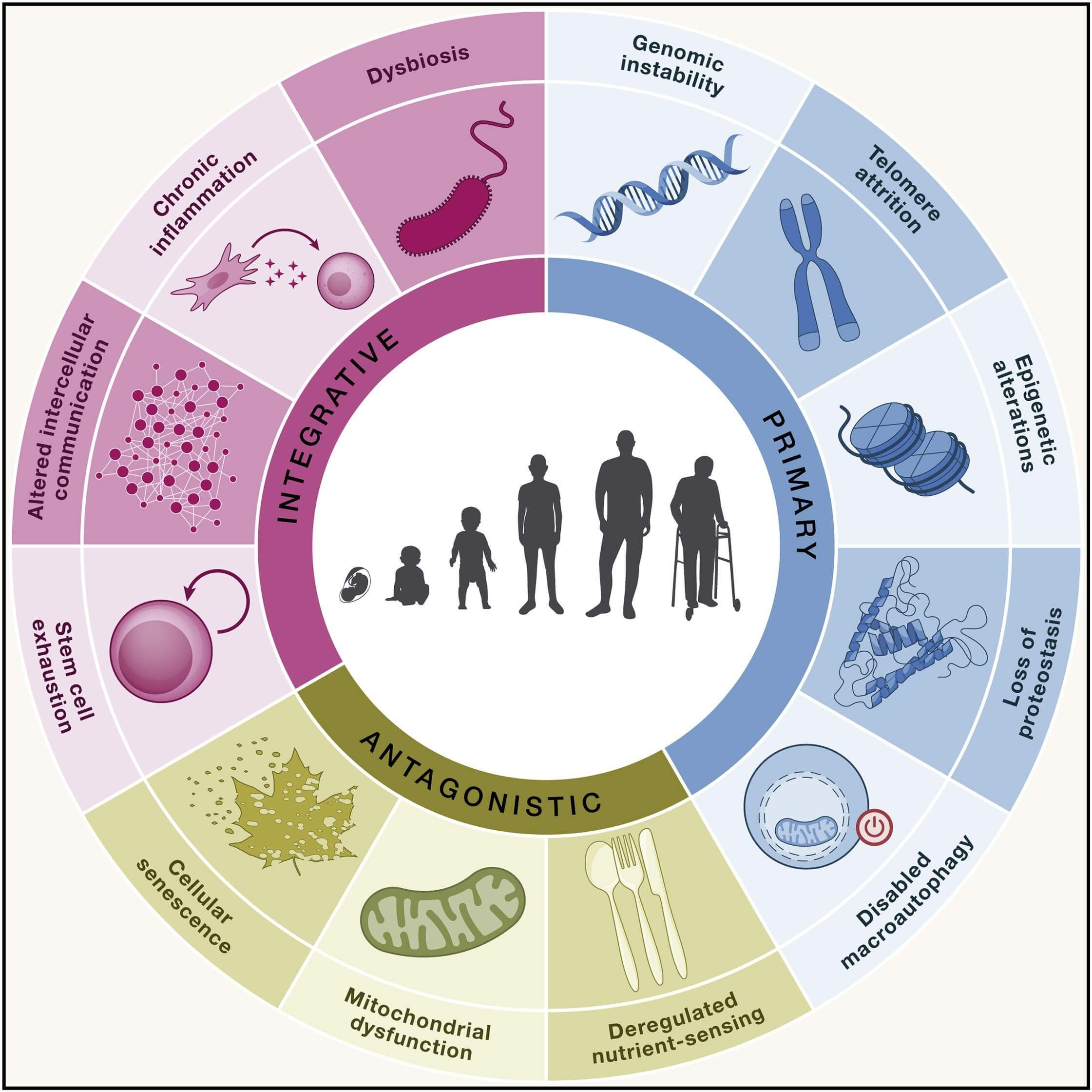
1. Genomic Instability
Our DNA, the blueprint of life, is constantly under assault from various internal and external factors, leading to mutations, deletions, and other forms of damage. As we age, our cells’ ability to repair this genomic instability diminishes, resulting in the accumulation of genetic errors that can disrupt essential cellular processes and contribute to aging and age-related diseases.
2. Telomere Attrition
Telomeres are protective caps at the ends of our chromosomes that shorten with each cell division. When telomeres become critically short, cells enter a state of senescence or undergo apoptosis (programmed cell death). This telomere attrition is a hallmark of aging and has been linked to various age-related conditions, including cardiovascular disease, cancer, and neurodegeneration.
3. Epigenetic Alterations
Epigenetic modifications, such as DNA methylation and histone modifications, regulate gene expression without altering the underlying genetic code. As we age, these epigenetic patterns become dysregulated, leading to aberrant gene expression and contributing to the development of age-related diseases.
4. Loss of Proteostasis
Proteostasis, or protein homeostasis, refers to the intricate network of processes that regulate the synthesis, folding, trafficking, and degradation of proteins within cells. With age, this delicate balance is disrupted, leading to the accumulation of misfolded or damaged proteins, which can form toxic aggregates and contribute to various age-related disorders, such as Alzheimer’s and Parkinson’s diseases.
5. Disabled Macroautophagy
Macroautophagy is a cellular recycling process that removes and degrades damaged organelles, misfolded proteins, and other cellular components. As we age, this process becomes impaired, leading to the accumulation of cellular waste and contributing to the development of age-related diseases.
6. Deregulated Nutrient-Sensing
Nutrient-sensing pathways, such as the insulin/IGF-1 signaling pathway, play a crucial role in regulating metabolism, growth, and longevity. Dysregulation of these pathways with age can lead to metabolic disorders, such as insulin resistance and obesity, which are risk factors for various age-related diseases.
7. Mitochondrial Dysfunction
Mitochondria are the powerhouses of our cells, responsible for generating energy through cellular respiration. As we age, mitochondrial function declines, leading to increased oxidative stress, impaired energy production, and the accumulation of mitochondrial DNA mutations, all of which contribute to the aging process and age-related diseases.
8. Cellular Senescence
Cellular senescence is a state of permanent cell cycle arrest that occurs in response to various stresses, such as DNA damage, telomere shortening, and oncogene activation. While senescence acts as a tumor suppressor mechanism, the accumulation of senescent cells with age can contribute to tissue dysfunction and the development of age-related diseases.
9. Stem Cell Exhaustion
Stem cells are responsible for tissue regeneration and repair throughout our lives. However, as we age, stem cell populations become depleted or dysfunctional, leading to impaired tissue maintenance and regenerative capacity, which can contribute to the development of age-related diseases.
10. Altered Intercellular Communication
Intercellular communication is essential for coordinating the activities of different cell types within tissues and organs. As we age, this communication becomes disrupted, leading to tissue dysfunction and contributing to the development of age-related diseases.
11. Chronic Inflammation
Inflammation is a natural response to injury or infection, but chronic, low-grade inflammation is a hallmark of aging. This persistent inflammatory state can contribute to the development of various age-related diseases, including cardiovascular disease, cancer, and neurodegenerative disorders.
12. Dysbiosis
The human body is home to a vast and diverse community of microorganisms, collectively known as the microbiome. As we age, the composition and diversity of this microbiome can become dysregulated, a condition known as dysbiosis. This imbalance in the microbiome has been linked to various age-related diseases, including inflammatory bowel disease, metabolic disorders, and even neurodegenerative diseases.
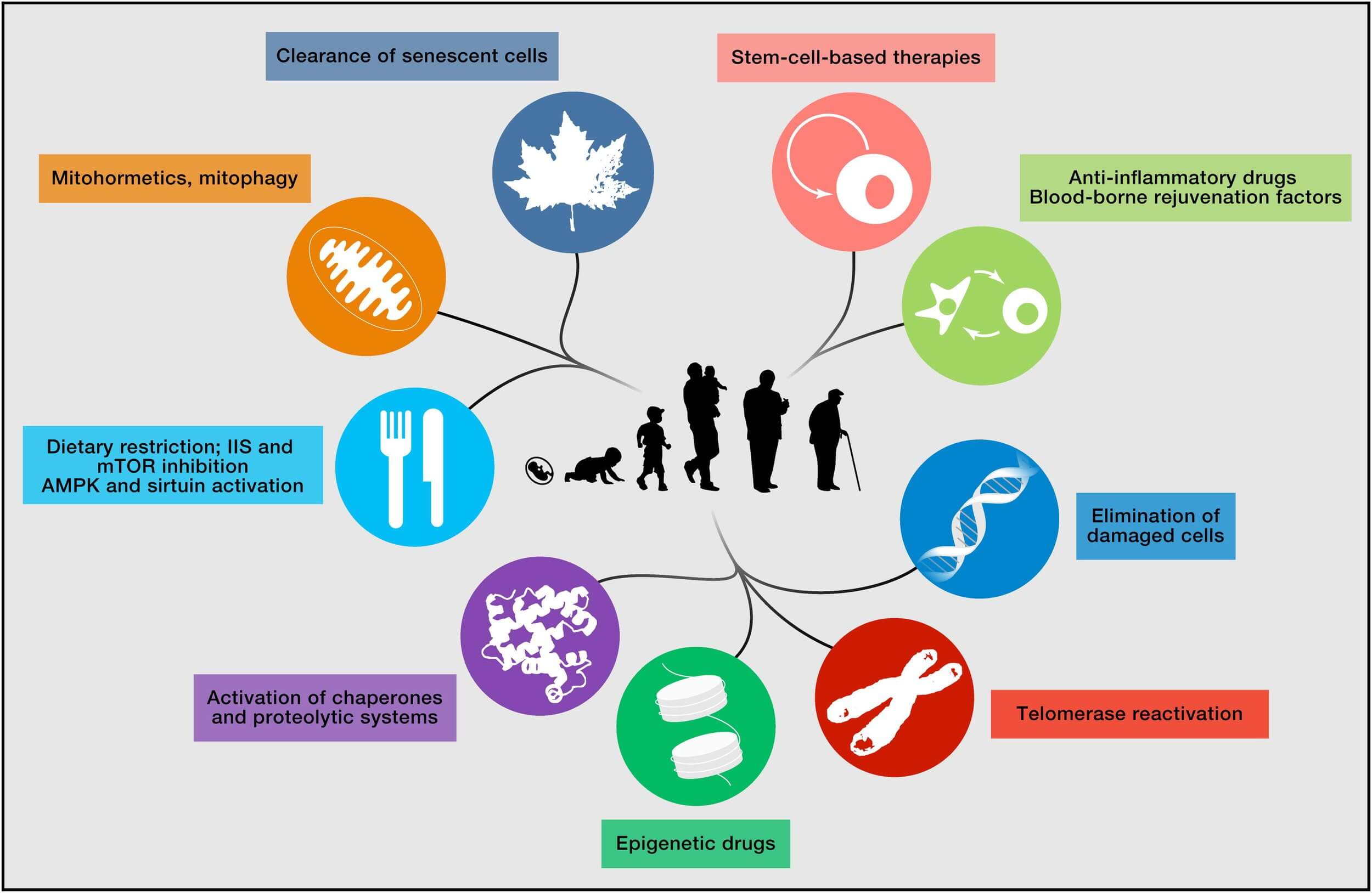
By understanding these 12 hallmarks of aging, researchers can develop targeted interventions to address the underlying biological processes that contribute to the aging process and age-related diseases. From lifestyle modifications to pharmaceutical interventions and regenerative therapies, the potential for promoting healthy longevity has never been more promising.
At STEMS Health, we are dedicated to exploring the frontiers of regenerative medicine and longevity research. Our team of experts stays up-to-date with the latest scientific developments, including the groundbreaking work on the hallmarks of aging. We believe that by addressing these hallmarks through innovative regenerative therapies, we can help our patients achieve optimal health and vitality, even as they age.
If you’re interested in learning more about our cutting-edge regenerative medicine treatments or have any questions about the hallmarks of aging, please don’t hesitate to [contact us]. Our knowledgeable staff is always happy to provide personalized guidance and support on your journey to a healthier, more vibrant life.
References:
[1] López-Otín, C., Blasco, M.A., Partridge, L., Serrano, M., & Kroemer, G. (2023). Hallmarks of aging: An expanding universe. Cell, 186(1), 18-38. https://doi.org/10.1016/j.cell.2022.11.001
