

Knee pain affects millions each year, limiting your mobility and reducing the quality of your daily life. Whether the pain results from an old sports injury, arthritis, or joint overuse, you need lasting knee pain relief.
Knee pain treatments like NSAIDs, corticosteroid injections, or even surgery can only offer temporary respite from pain symptoms. Patients throughout Miami are looking for ongoing relief for the years ahead through non-invasive regenerative medicine.
Promising data shows that platelet-rich plasma (PRP) therapy is a viable knee pain treatment for patients seeking natural, non-invasive pain relief.
Discover the potential of PRP in treating your knee pain by scheduling a consultation at our Miami Beach clinic.

Dr. Jarred Mait is a licensed general medicine and functional medicine physician. He completed medical school at the University of Miami and then Anesthesiology training at the University of Miami/Jackson Memorial Hospital. He is the owner and Medical Director of Pulse & Remedy.
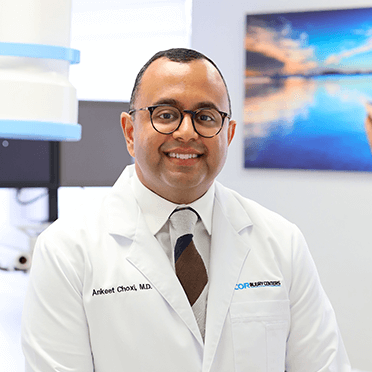
Dr. Choxi is a double-board certified Anesthesiologist and Interventional Pain Management Physician. He completed medical school at Vanderbilt University in Nashville, TN, followed by Anesthesiology training at the University of Miami and Pain Management fellowship training at New York University (NYU) – Langone Health.
PRP Therapy is a minimally invasive procedure that uses growth factors within the patient’s own concentrated blood platelets to treat tendon and osteoarthritis injuries.
Studies show PRP stimulates cellular repair, improves collagen production, and reduces inflammation, making it a powerful tool for managing knee pain associated with conditions such as osteoarthritis and injuries to the ACL.
PRP Therapy has proven effective for several knee-related conditions, including:
The board-certified doctors at STEMS Health use MRI and ultrasound imaging to diagnose and evaluate your knee and determine if PRP Therapy is suitable.
We begin PRP treatment by drawing a small amount of blood from your arm.
Your blood is processed in a centrifuge to separate the platelets.
The PRP solution is injected into the targeted area of your knee using ultrasound for precise targeting.
Athletes across the globe are now choosing PRP for sports injury treatment. From NBA players to amateurs, they’re turning to PRP for its training benefits, which include limited recovery time. Unlike knee surgery, PRP patients experience limited pain during the recovery process, allowing them to reach their highest performance levels sooner after treatment.
Some patients may experience mild swelling or discomfort at the knee injection site, which usually subsides within a day or two.
Dos and Don’ts During PRP for Knee Pain Recovery:
Follow-Up Care: Your board-certified PRP team at STEMS Health will conduct multiple follow-up appointments with you to confirm your recovery progress.
Our team has extensive experience in PRP therapy and offers patients tailored treatments to match their knee pain recovery goals. The testimonials from patients throughout South Florida speak to our expertise in regenerative medicine.
Choosing STEMS Health gives you access to one of the most sophisticated regenerative medicine suites nationwide. Our clinic features the latest diagnostic tools and technology, including ultrasound and fluoroscopy. The STEMS PRP therapy rooms are comfortable settings for safe and effective treatment.
We know the value of proven experience in a growing field such as regenerative care. STEMS Health has one of Miami’s leading clinical reputations for the results of our team.
Our PRP doctors, Dr. Ankeet Choxi and Dr. Jarred Mait, have many years of experience in regenerative medicine. They work alongside their support staff to ensure treatment success through a comfortable therapy experience.
Take the next step towards lasting knee pain relief. Book your consultation with Stems Health Regenerative Medicine today. Our dedicated team is here to answer your questions and create your exclusive personalized knee pain treatment plan.
Call our Knee Pain Relief Experts Now Via (305) 315-0815 or Contact Us Online to Confirm Your Appointment.
The procedure involves minimal discomfort, with pain levels similar to a routine injection.
Most PRP patients see improvement after 1-3 sessions spaced several weeks apart.
PRP Therapy is considered an elective procedure and may not be covered by insurance. However, some insurance companies cover PRP for conditions such as osteoarthritis. STEMS Health can coordinate with your insurance company to determine coverage levels.
Improvements typically begin within a few weeks, with continued pain relief benefits over several months as healing progresses.
The most common factor linking PRP treatment with successful pain relief is the skill of the regenerative care doctor. The following factors also play a role and will be evaluated during your initial consultation at the STEMS Health clinic.