

Is tendonitis pain interfering with your daily routine, workouts, or quality of life? At STEMS Health Regenerative Medicine in Miami, we specialize in cutting-edge treatments for tendon inflammation using non-surgical, restorative therapies. Our board-certified regenerative medicine physicians provide advanced care that promotes healing, not just symptom relief.
Whether you’re eager to get back to the tennis court, gym, or walk without discomfort, our personalized tendonitis treatment options can help you recover safely and naturally.

General and Functional Medicine Physician
Dr. Mait completed his training at the University of Miami and now leads advanced regenerative treatments at STEMS Health.
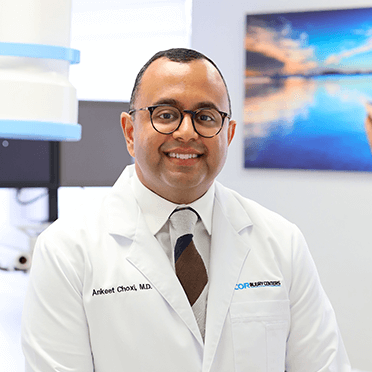
Double Board-Certified in Anesthesiology & Interventional Pain Management
Trained at Vanderbilt and NYU Langone Health, Dr. Choxi brings years of experience in treating
tendonitis pain with non-surgical regenerative medicine.
Tendonitis is the inflammation or irritation of a tendon, which is the thick, fibrous cord that attaches muscle to bone. It typically develops from overuse, repetitive motion, or injury. Common symptoms include pain, swelling, and tenderness near a joint, especially during movement. Tendonitis can affect the shoulders, elbows, wrists, knees, and heels, making everyday tasks or physical activity difficult. If left untreated, tendonitis can become chronic or lead to more serious tendon damage.
Traditional tendonitis treatments such as rest, physical therapy, and steroid injections may help in the short term, but they rarely resolve the problem. Regenerative medicine promotes the healing of inflamed or torn tendons by stimulating your natural repair processes.
Platelet-rich plasma (PRP) is a revolutionary therapy that uses your body’s healing cells to target tendon damage at the source.
Patients throughout Florida now choose STEMS Health for tendonitis treatment. Request your free consultation today to start your pain to a pain-free life!
Call us at 305-677-0565 or fill out our contact form to book your consultation.
When PRP injections alone cannot reduce chronic pain from tendonitis, our advanced stem cell treatments can extend pain relief by replenishing and replacing damaged cells. We extract stem cells from your adipose tissue and reintroduce them into the injured tendon to stimulate deep, lasting repair.
Our board-certified doctors have years of experience treating patients throughout Miami and across South Florida. STEMS Health’s doctors are pioneers in the field of regenerative care, with recognition extending to medical media appearances, where they explain and explore the latest topics regarding stem cell therapy.
From your initial visit with the tendonitis treatment team at STEMS Health, you’ll begin a tailored treatment process built around your specific experience with the condition. Our diagnostic systems can help pinpoint clear causes for tendonitis, including overuse and conditions such as Spondyloarthritis, allowing our doctors to craft treatments specific to you and your long-term health goals.
We help active individuals throughout South Florida regain their mobility and live pain-free lives without surgery. Dr. Choxi and Dr. Mait have a track record spanning over 9,000 pain-relief procedures at their Miami Beach office.
Don’t let tendonitis slow you down. Schedule your consultation at STEMS Health Miami Beach today or call (305) 315-0815 to speak with a member of our team. We can answer all your questions and help you decide which regenerative option is right for you.
Tendonitis occurs when tendons become inflamed or irritated due to repetitive stress, overuse, or sudden injury. Common causes include repetitive motions from sports or work activities, poor posture, inadequate warm-up before exercise, age-related tendon degeneration, direct trauma, and underlying conditions like rheumatoid arthritis or diabetes. Activities such as tennis, golf, running, and jobs requiring repetitive movements are frequent culprits.
Tendonitis typically presents with pain and tenderness along the tendon, especially during movement or when pressure is applied. You may experience stiffness, particularly in the morning, swelling around the affected area, and a crackling sensation when moving the tendon.
The pain often worsens with activity and improves with rest. However, proper diagnosis requires medical evaluation, as these symptoms can overlap with other conditions, such as tendon tears or bursitis.
Insurance coverage for regenerative treatments, including platelet-rich plasma and stem cell therapy, varies significantly. Most insurance plans, including Medicare, don’t provide coverage.
Some plans may cover PRP for specific conditions if deemed medically necessary. It’s essential to check with your insurance provider beforehand and get pre-authorization if possible.
Treatment complexity and individual prognosis tend to determine the duration. PRP therapy patients may experience initial improvement in 2-to-6 weeks, with progress continuing for 3-to-6 months. Stem cell therapy may require 6-to-12 weeks before patients experience a noticeable improvement in pain levels, with peak benefits potentially taking 3-to-6 months.
Factors affecting healing time include the severity of the tendonitis, patient age, overall health, and adherence to rehabilitation protocols.
Regenerative treatments generally have fewer risks than surgical options. Common side effects include temporary pain or swelling at the injection site, infection (rare with sterile technique), and nerve or blood vessel injury.
Since PRP and stem cell therapy use your platelets and cells, allergic reactions are uncommon. Some patients experience temporary stiffness or bruising. More serious complications are rare but can include tendon rupture if excessive force is applied too soon after treatment.
Most patients require multiple treatment sessions for optimal results. PRP therapy typically involves 1-to-3 injections spaced 4-to-6 weeks apart.
Stem cell patients may require 1 or 2 injections and follow-up sessions based on initial response. Your healthcare provider will develop a personalized treatment plan and monitor progress to determine if additional sessions are needed.
Return to activity varies based on treatment and individual prognosis. After regenerative treatments, patients typically follow a graduated return protocol. Light activities may resume within days to weeks, while full activity return often takes 6-to-12 weeks or longer. The initial period focuses on protection and gentle movement, progressing to strengthening exercises and then sport-specific activities.
Your healthcare provider will guide this progression based on healing response, pain levels, and functional improvements. Returning too quickly can compromise treatment effectiveness.
Regenerative treatments and cortisone injections serve different purposes and have distinct profiles.
Cortisone provides rapid anti-inflammatory effects and pain relief, often within days. However, the effects are temporary, lasting from weeks to months. Repeated use can weaken tendons. Regenerative treatments aim to promote actual tissue healing and repair, taking longer to show benefits but potentially providing more durable results.