

BPC-157 is a synthetic, gastric-derived pentadecapeptide experimentally researched for its ability to accelerate soft tissue repair and promote new blood vessel formation.
BPC-157 (Body Protection Compound-157) is a peptide derived from human gastric juice. BPC-157 is made of 15 amino acids and has shown potential in accelerating healing, promoting tissue regeneration, and supporting overall health. Medical professionals at leading medical organizations such as the Cleveland Clinic now use BPC-157 to treat patients.
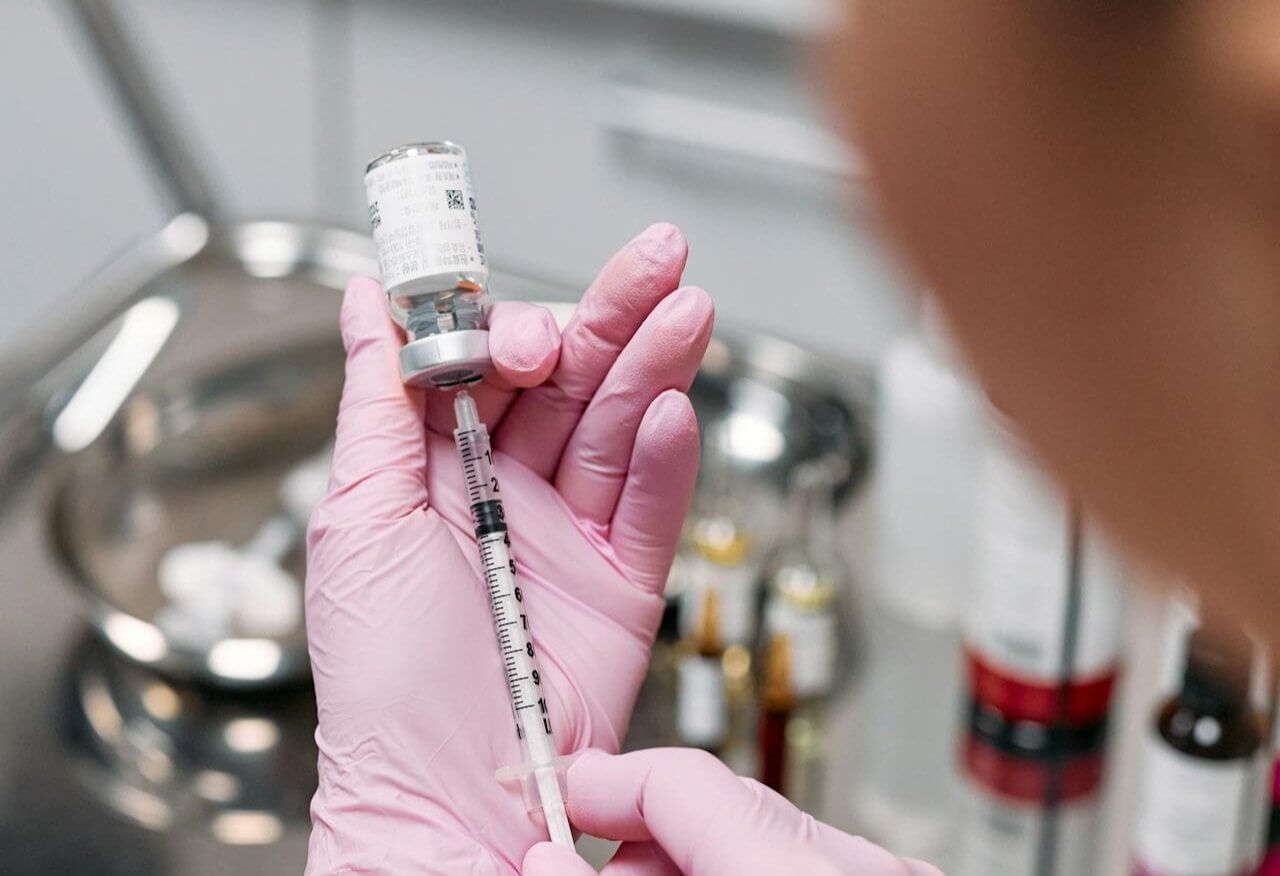
BPC-157 is available in both injectable and oral supplement form and the application for the peptide determines its method of delivery. Medical supervision by qualified doctors is important for BPC-157 therapy and all peptide treatments.
Understanding BPC-157
BPC-157 is a synthetic peptide composed of 15 amino acids, designed to mimic the healing properties of the human gastric juice protein BPC. Its unique structure allows it to exert a multitude of beneficial effects on various tissues and organ systems within the body.
BPC-157 Mechanisms of Action
-
Promotion of Accelerated Healing: BPC-157 has been shown to accelerate the healing process by stimulating the production of growth factors and promoting the formation of new blood vessels (angiogenesis) at the site of injury or damage [1].
-
Tissue Regeneration: This remarkable peptide supports tissue regeneration by upregulating the expression of growth hormone receptors in various cell types, including those found in tendons, muscles, ligaments, bones, and the gastrointestinal tract [2].
-
Anti-inflammatory Properties: BPC-157 exhibits potent anti-inflammatory effects, helping to reduce inflammation and associated tissue damage, which can impair the healing process [3].
-
Improved Blood Flow: By increasing blood flow to specific areas, BPC-157 ensures an adequate supply of oxygen and nutrients essential for tissue repair and regeneration [4].
Potential Benefits of BPC-157
-
Accelerated Wound Healing: BPC-157 has been studied extensively for its ability to accelerate the healing of various types of wounds, including those affecting the skin, cornea, mucosa, and bone [5].
-
Tendon and Muscle Repair: This peptide has shown promising results in promoting the repair and regeneration of tendons and muscles, potentially reducing the recovery time from injuries [6].
-
Gastrointestinal Health: BPC-157 has demonstrated protective effects on the gastrointestinal system, aiding in the healing of ulcers, inflammatory bowel diseases, and other gastrointestinal disorders [7].
-
Neuroprotection: Emerging research suggests that BPC-157 may possess neuroprotective properties, potentially offering benefits in the treatment of neurological conditions such as stroke and traumatic brain injury [8].
Continued Research on BPC-157
A study published in the Journal of Cellular Physiology found that BPC-157 accelerated the healing of muscle injuries in rats by promoting the formation of new blood vessels and reducing inflammation. Additional research has demonstrated the efficacy of BPC-157 in protecting against and healing gastric ulcers in animal models, highlighting its potential therapeutic applications in gastrointestinal disorders.
While the research on BPC-157 is promising, it’s important to note that most studies have been conducted in animal models or in vitro settings. Further clinical trials are necessary to fully understand its safety, efficacy, and optimal dosing in humans.
As the field of regenerative medicine continues to evolve, BPC-157 stands as a testament to the potential of peptide-based therapies in promoting healing, tissue regeneration, and overall health. With its multifaceted mechanisms of action and growing body of scientific evidence, this remarkable peptide offers hope for improved treatment options across various medical conditions.
It’s crucial to approach peptide therapy under the guidance of qualified healthcare professionals to ensure safe administration and monitor potential side effects. We caution against purchasing peptides from unverified online sources, as the quality and purity of these products cannot be guaranteed. Suppose you’re interested in exploring the potential benefits of BPC-157 or other peptides for tissue repair and regeneration. In that case, we encourage you to contact our office to learn more about our comprehensive, medically supervised peptide therapy programs tailored to your specific needs and goals.
References:
[1] Seiwerth, S., Milavic, M., Brcic, L., … & Sikiric, P. (2018). BPC 157 therapy for Achilles tendon‐healing rat study. Pharmacology Research & Perspectives, 6(6), e00459.
[2] Klicek, R., Sever, M., Radic, B., … & Sikiric, P. (2008). Pentadecapeptide BPC 157, in clinical trials as a therapy for inflammatory bowel diseases (PL14736), is effective in the healing of colocutaneous fistulas in rats: role of the nitric oxide-system. Journal of Pharmacology and Experimental Therapeutics, 325(3), 825-834.
[3] Seiwerth, S., Brcic, L., Vuletic, L.B., … & Sikiric, P. (2014). BPC 157 and blood vessel healing. Current Pharmaceutical Design, 20(7), 1413-1419.
[4] Sikiric, P., Seiwerth, S., Brcic, L., … & Kolenc, D. (2010). Revised Robert’s cytoprotection and stable gastric pentadecapeptide BPC 157. Current Issues in Molecular Biology, 12, 7-14.
[5] Brcic, L., Kolenc, D., Blagaic, A.B., … & Sikiric, P. (2009). Consolidation of the acutely injured and coagulopathic stomach by stable gastric pentadecapeptide BPC 157 in rats. Inflammation Research, 58(8), 504-512.
[6] Chang, C.H., Tsai, W.C., Lin, M.S., Hsu, Y.H., & Pang, J.H.S. (2011). The promoting effect of pentadecapeptide BPC 157 on tendon healing involves increased angiogenesis in vivo. Journal of Orthopaedic Research, 29(11), 1786-1792.
[7] Klicek, R., Sever, M., Radic, B., … & Sikiric, P. (2008). Pentadecapeptide BPC 157, in clinical trials as a therapy for inflammatory bowel diseases (PL14736), is effective in the healing of colocutaneous fistulas in rats: role of the nitric oxide-system. Journal of Pharmacology and Experimental Therapeutics, 325(3), 825-834.
[8] Drmic, D., Kolenc, D., Ilic, S., … & Sikiric, P. (2017). Stable gastric pentadecapeptide BPC 157 heals rat colon anastomotic leakage. World Journal of Gastroenterology, 23(5), 753-765.
