

Here’s where to start if you want to learn more about exosomes, PRP, and more from the experts
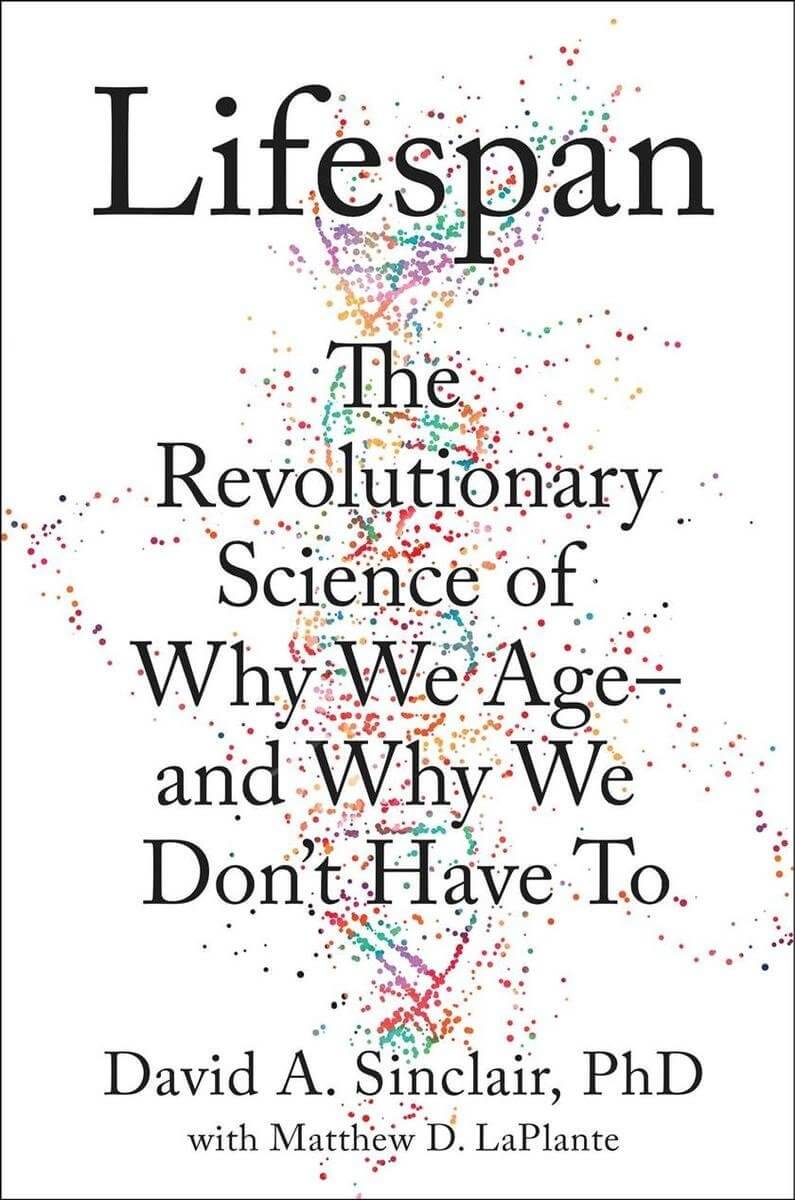
Lifespan: Why We Age – and Why We Don’t Have To
by David A. Sinclair, PhD & Matthew D. LaPlante
Exploring the groundbreaking science behind aging, this book reveals how we can slow down, or even reverse, the aging process through novel scientific discoveries such as the role of sirtuins, NAD+, resveratrol and mimetics, and more. Recommended for its visionary perspective on extending human healthspan and lifespan.
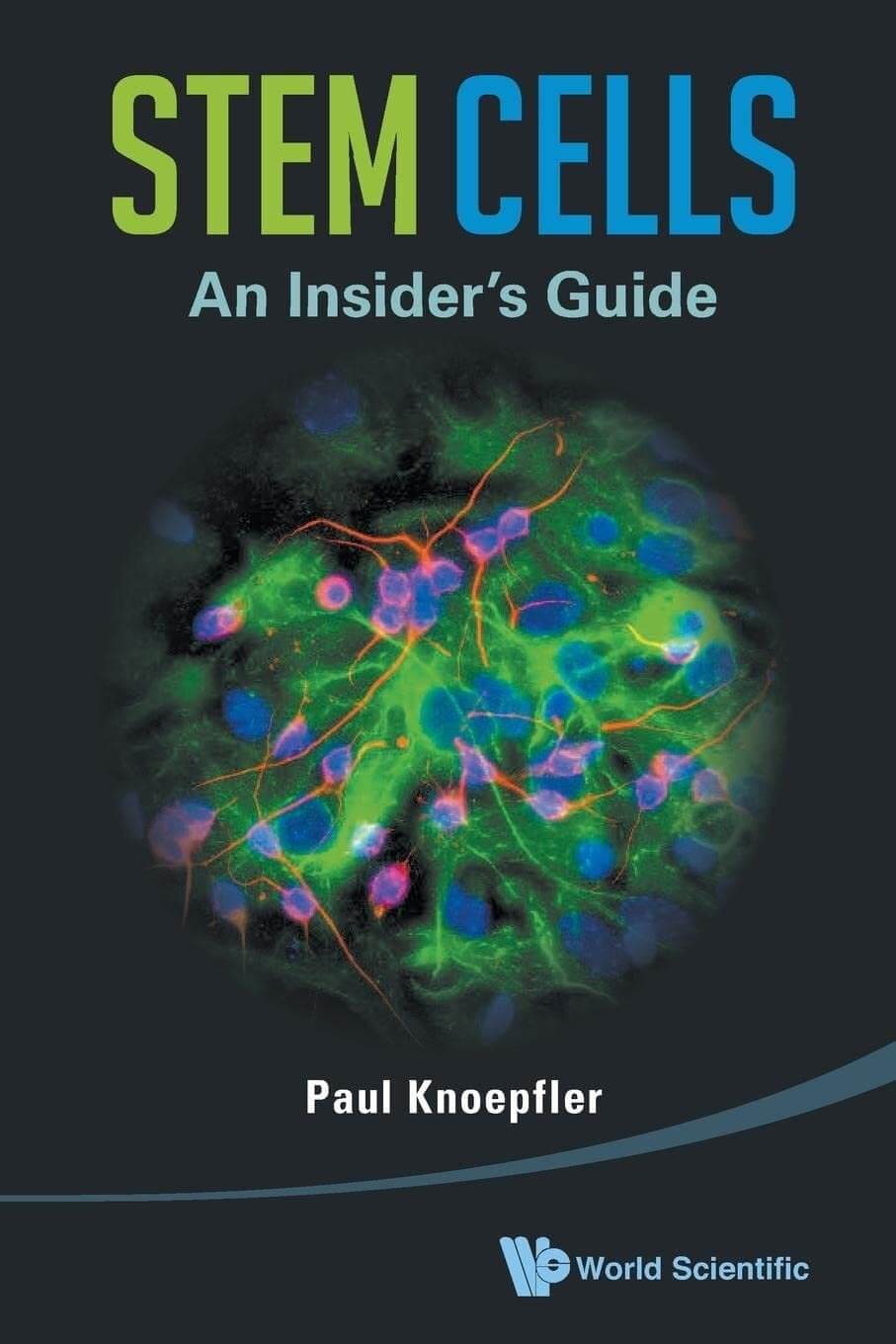
Stem Cells: An Insider’s Guide
by Paul Knoepfler
This guide demystifies stem cell science, covering both the potential therapies they offer and the ethical debates they spark. It’s perfect for readers seeking a thorough understanding of stem cells’ role in future medicine.
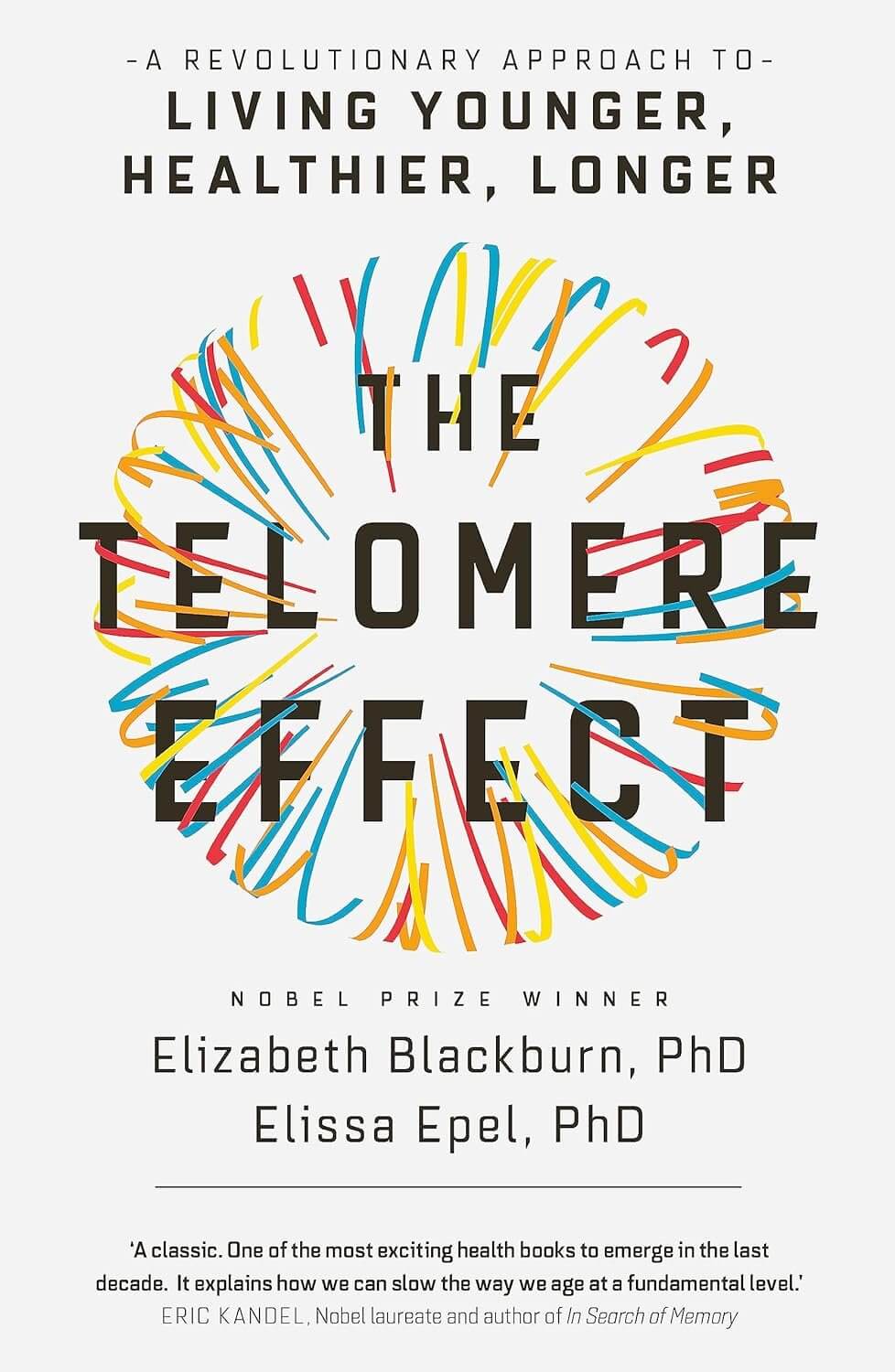
The Telomere Effect: A Revolutionary Approach to Living Younger, Healthier, Longer
by Elizabeth Blackburn, PhD & Elissa Epel, PhD
Explains the relationship among telomeres, aging, and lifestyle, it offers actionable advice and strategies on how to lengthen your telomeres to live a longer, healthier life. Ideal for those interested in the intersection of genetics, health, and longevity – and how to employ longevity practices in day-to-day life.
Ending Aging: The Rejuvenation Breakthroughs That Could Reverse Human Aging in Our Lifetime
by Aubrey de Grey, PhD & Michael Rae
The book presents a detailed roadmap for defeating biogerontology. The authors outline a comprehensive strategy for addressing and potentially reversing the damage that leads to aging, referred to as the SENS (Strategies for Engineered Negligible Senescence) approach. The SENS framework is built around identifying, repairing, or mitigating the various types of molecular and cellular damage that accumulate in the body over time.
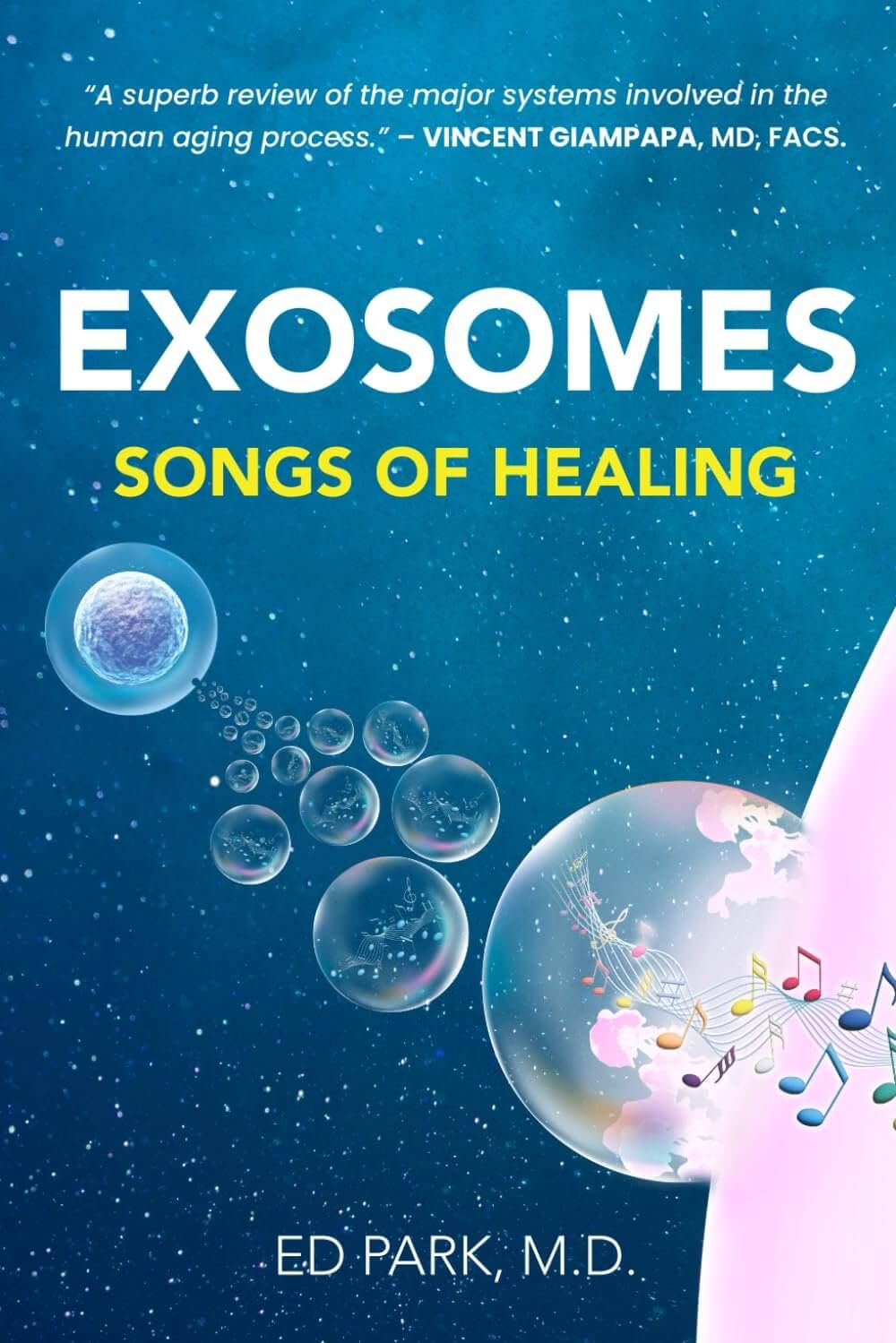
Exosomes: Songs of Healing
by Ed Park, MD
Written by a physician actively involved in exosome research and clinical trials, this book explores the potential of exosomes for treating various conditions. It uses clear language and personal anecdotes, making it accessible to a wider audience, including patients and those with limited scientific background.
