

Reviewed by Dr. Ankeet Choxi
Miami’s year-round sunshine and active culture have created a community where high-performance living is the standard. Tennis courts, golf courses, and fitness centers throughout the region see consistent activity as residents maintain demanding exercise routines and competitive sports schedules.
This commitment to physical activity has generated growing interest in advanced recovery solutions that can help athletes maintain their performance levels while addressing the wear and tear that comes with intensive training. Stem cell therapy for athletes has emerged as a significant component of this recovery landscape.
The region’s athletes, from weekend warriors to competitive players, are seeking alternatives to traditional injury management approaches that often involve extended downtime or surgical intervention. Local medical facilities, including STEMS Health Miami Beach, have responded to this demand by developing specialized programs that address the unique needs of active patients.
The integration of regenerative medicine into sports recovery represents a shift toward proactive care that focuses on maintaining athletic longevity rather than simply treating injuries after they occur. This approach aligns with Miami’s culture of prioritizing health, wellness, and peak physical performance.
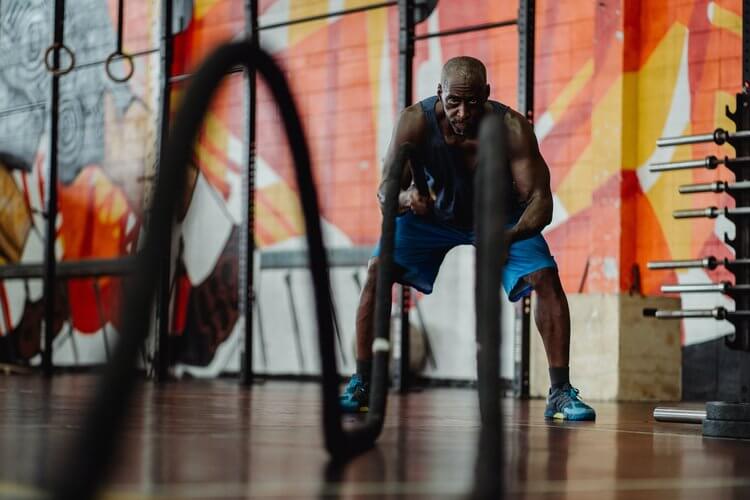
The Role of Stem Cell Therapy for Athletes
Stem cell therapy for athletes involves the use of regenerative cells to support tissue repair and reduce inflammation in areas commonly affected by sports-related stress. These treatments work by introducing cells capable of differentiating into various tissue types, including muscle, tendon, and cartilage.
The therapy process typically involves harvesting stem cells from the patient’s own body or using ethically sourced donor cells, then concentrating and delivering them to injured or degenerative areas through precise injection techniques. This approach harnesses the body’s natural healing mechanisms while potentially accelerating recovery times.
Miami’s culture of high performance and active living has created an ideal environment for these innovative treatments. The city’s athletic population includes professional athletes, competitive amateurs, and fitness enthusiasts who require rapid recovery to maintain their training schedules and competitive edge.
Traditional recovery methods often involve rest, physical therapy, anti-inflammatory medications, and in severe cases, surgical intervention. While these approaches remain valuable, regenerative therapies offer additional options that may help athletes return to activity sooner while addressing underlying tissue damage.
The appeal of stem cell therapy lies in its potential to promote actual tissue regeneration rather than simply managing symptoms. This fundamental difference has made it an attractive option for athletes seeking long-term solutions to recurring injuries or degenerative conditions.
Tendon Repair Using Regenerative Therapies
Tendon repair represents one of the most common applications of stem cell therapy in sports medicine. Tendons, which connect muscles to bones, experience significant stress during athletic activities and are prone to both acute injuries and chronic degenerative changes.
Common tendon injuries among Miami’s active population include tennis elbow, golfer’s elbow, Achilles tendinitis, and rotator cuff tendinopathy. These conditions often result from repetitive motions, overuse, or sudden increases in training intensity that exceed the tendon’s capacity for adaptation.
Stem cell injections for tendon repair work by introducing regenerative cells directly into damaged tissue areas. These cells may help stimulate the production of new tendon fibers, improve blood supply to the affected area, and reduce inflammatory responses that can impede healing.
The integration of stem cell therapy with rehabilitation and physical therapy creates a comprehensive approach to tendon recovery. While the regenerative treatment addresses tissue repair at the cellular level, structured rehabilitation ensures proper biomechanics and gradual return to full activity.
Treatment protocols typically involve multiple injections spaced several weeks apart, allowing time for cellular integration and tissue remodeling. STEMS Health Miami Beach combines these treatments with imaging guidance to ensure precise delivery and monitor healing progress throughout the recovery process.
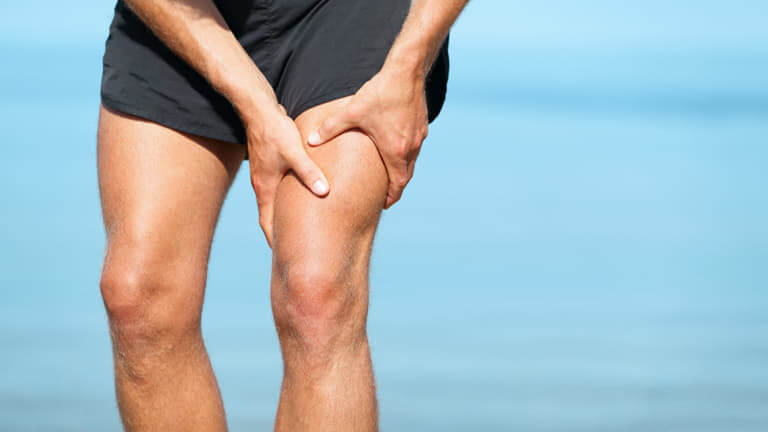
Cartilage Support for Active Patients
Cartilage support through regenerative medicine addresses one of the most challenging aspects of athletic longevity. Cartilage, the smooth tissue that cushions joints, has limited natural healing capacity due to its lack of blood supply, making damage particularly problematic for active individuals.
Athletic activities place significant stress on joint cartilage, particularly in weight-bearing joints like knees and hips. Over time, this stress can lead to cartilage thinning, surface irregularities, and eventually osteoarthritis, which can severely limit athletic performance and quality of life.
The importance of cartilage in joint health cannot be understated. Healthy cartilage allows for smooth, pain-free movement and shock absorption during high-impact activities. When cartilage becomes damaged or worn, athletes may experience pain, stiffness, and reduced range of motion that affects their ability to perform.
Stem cell therapy for cartilage support aims to slow or potentially reverse degenerative processes by introducing cells capable of differentiating into cartilage-producing cells called chondrocytes. These treatments may help maintain existing cartilage health while potentially promoting the formation of new cartilage tissue.
The approach to cartilage preservation in athletes involves early intervention before significant damage occurs. Regular monitoring and preventive treatments may help extend athletic careers and delay the need for more invasive procedures like joint replacement surgery.
PRP Adjuncts and Athletic Medicine
Platelet-rich plasma (PRP) adjuncts have become an integral component of regenerative sports medicine, often used in combination with stem cell therapies to enhance healing outcomes. PRP involves concentrating platelets from the patient’s own blood, which contain growth factors and other healing proteins.
The use of PRP in sports recovery centers on its ability to deliver high concentrations of growth factors directly to injured tissues. These proteins play crucial roles in tissue repair, blood vessel formation, and cellular regeneration, making PRP a valuable complement to stem cell treatments.
PRP adjuncts are particularly effective when combined with stem cell injections because the growth factors in PRP can help create an optimal environment for stem cell function. The platelets release signaling molecules that attract stem cells to treatment areas and support their differentiation into appropriate tissue types.
Athletes may benefit from combined therapies in situations involving complex injuries, chronic conditions, or cases where single-modality treatments have provided limited results. The synergistic effects of stem cells and PRP can potentially accelerate healing and improve treatment outcomes.
Treatment protocols using PRP adjuncts typically involve preparing both the stem cells and PRP simultaneously, then combining them for injection into target areas. This approach maximizes the therapeutic potential of both treatments while minimizing the number of procedures required.
Stem Cell Therapy for Common Sports Injuries
Stem cell therapy for common sports injuries addresses specific conditions frequently seen in Miami’s athletic population. These targeted treatments focus on the unique characteristics and healing requirements of different injury types.
Rotator Cuff Tears
Rotator cuff tears represent a significant concern for tennis players, golfers, and swimmers who rely heavily on overhead arm motions. These injuries can range from minor fraying to complete tendon ruptures, with symptoms including pain, weakness, and limited range of motion.
The prevalence of rotator cuff injuries among racquet sport players stems from the repetitive overhead motions required for serves, volleys, and overhead shots. Golf players may develop these injuries from the rotational forces generated during the swing, particularly if technique issues create excessive stress on the shoulder.
Stem cell therapy offers potential for non-surgical management of rotator cuff tears, particularly for partial-thickness tears or degenerative changes. The treatment aims to promote tendon healing, reduce inflammation, and improve tissue quality without the extended recovery time associated with surgical repair.
Hip Bursitis
Hip bursitis commonly affects runners, cyclists, and endurance athletes who engage in repetitive hip motions. This condition involves inflammation of the fluid-filled sacs (bursae) that cushion the hip joint, leading to pain and stiffness that can significantly impact athletic performance.
The repetitive nature of running and cycling can irritate the bursae, particularly in athletes who increase training intensity rapidly or have biomechanical imbalances that create excessive friction. The resulting inflammation can become chronic if not properly addressed.
Regenerative injections for hip bursitis aim to reduce inflammation, promote tissue healing, and address any underlying degenerative changes in the surrounding structures. The treatment may help athletes return to activity sooner while reducing the risk of recurrence.
Knee Osteoarthritis
Knee osteoarthritis affects both aging and active athletes, representing a complex condition that involves cartilage breakdown, bone changes, and inflammation within the knee joint. This degenerative process can be accelerated by high-impact activities and previous injuries.
The condition particularly impacts athletes involved in sports requiring frequent direction changes, jumping, and pivoting motions. Basketball players, tennis players, and soccer enthusiasts may be at higher risk due to the demands these activities place on knee structures.
Stem cells and PRP treatments for knee osteoarthritis focus on slowing disease progression, reducing inflammation, and potentially promoting cartilage repair. These interventions may help athletes maintain activity levels longer while delaying or avoiding the need for joint replacement surgery.
Why Miami Athletes Are Turning to Regenerative Care
Miami’s year-round active lifestyle creates unique challenges for athletes who rarely take extended breaks from their sports and fitness routines. The consistent warm weather and abundant recreational facilities encourage continuous activity, which can lead to overuse injuries and accelerated wear on joints and soft tissues.
The appeal of minimally invasive therapies compared to traditional surgical approaches resonates strongly with active individuals who cannot afford extended periods of inactivity. Regenerative therapies typically involve shorter recovery times and allow for faster return to training and competition.
The city’s competitive athletic culture, spanning from amateur tennis leagues to professional sports teams, creates demand for cutting-edge recovery solutions that can provide competitive advantages. Athletes seek treatments that not only address current injuries but also help prevent future problems.
Concierge-level treatment at specialized facilities like STEMS Health Miami Beach appeals to athletes who value personalized care, flexible scheduling, and comprehensive treatment approaches. These clinics often provide coordinated care that includes imaging, treatment, and rehabilitation services under one roof.
The integration of regenerative medicine with Miami’s wellness culture creates an environment where these advanced treatments are viewed as natural extensions of comprehensive health and fitness programs rather than last-resort medical interventions.
Patient Considerations and Access to Care
The importance of proper imaging and diagnosis before regenerative treatment cannot be overstated. Conditions that appear similar may require different treatment approaches, and accurate diagnosis ensures that patients receive the most appropriate therapy for their specific situation.
Athletes considering stem cell therapy should ask providers about several key factors, including the source of stem cells used, safety protocols followed, and how treatments will be integrated with rehabilitation programs. Understanding these elements helps ensure optimal treatment outcomes and patient safety.
Questions about stem cell sourcing should address whether cells come from the patient’s own body (autologous) or from donor sources (allogeneic), as each approach has different considerations regarding compatibility, processing, and regulatory status.
Safety protocols should include information about facility accreditation, sterile processing procedures, and monitoring protocols used during and after treatment. Reputable providers will be transparent about their safety measures and quality control processes.
Integration with rehabilitation programs ensures that regenerative treatments are supported by appropriate physical therapy and gradual return-to-activity protocols. The most successful outcomes typically occur when biological treatments are combined with structured rehabilitation approaches.
Regulatory and ethical considerations in sports medicine continue to evolve as these treatments become more prevalent. Athletes should understand current guidelines regarding these therapies, particularly if they compete in organized sports with specific regulations about medical treatments.
Stem cell therapy for athletes has become an integral component of Miami’s high-performance lifestyle, offering active individuals advanced recovery options that align with their commitment to maintaining peak physical condition. The treatments address the unique challenges faced by athletes who train year-round in the city’s demanding climate.
The growing adoption among tennis players, golfers, fitness enthusiasts, and other active individuals reflects both the effectiveness of these treatments and their compatibility with active lifestyles. Athletes appreciate the potential for faster recovery times and reduced reliance on traditional surgical approaches.
Specialized facilities like STEMS Health Miami Beach play a crucial role in delivering comprehensive regenerative care that extends beyond simple injection procedures. These clinics provide the expertise, technology, and personalized attention that serious athletes require for optimal outcomes.
Frequently Asked Questions
How long does recovery take after stem cell therapy for athletic injuries?
Recovery timelines vary depending on the specific injury and treatment approach, but most athletes can begin light activities within 1-2 weeks after stem cell therapy for athletes. Full return to competitive activity typically occurs 6-12 weeks post-treatment, though this varies based on individual healing responses and rehabilitation progress.
Can stem cell therapy completely heal rotator cuff tears?
Stem cell therapy may help promote healing in partial-thickness rotator cuff tears and can improve symptoms in many patients. However, complete healing depends on factors including tear size, patient age, and tissue quality. The treatment aims to optimize the body’s natural healing response rather than guarantee complete restoration.
Is PRP therapy always combined with stem cell treatments?
PRP adjuncts are not always necessary but are often beneficial for enhancing healing outcomes. The decision to combine treatments depends on the specific condition being addressed, patient factors, and treatment goals. Some conditions respond well to stem cell therapy alone, while others benefit from the combined approach.
How do I know if I’m a good candidate for regenerative treatments?
Good candidates for stem cell therapy for athletes typically have injuries or degenerative conditions that have not responded adequately to conservative treatments but are not severe enough to require immediate surgery. A thorough evaluation including imaging studies helps determine candidacy. STEMS Health Miami Beach provides comprehensive assessments to determine treatment suitability.
Are there any restrictions on activities after stem cell injections?
Most patients can resume light daily activities within 24-48 hours after treatment. However, high-impact sports and intense training should be avoided for 2-4 weeks to allow for optimal healing. Specific activity restrictions depend on the treatment location and individual healing response, with gradual return to full activity guided by clinical progress.
