

Reviewed by Dr. Ankeet Choxi, and Dr. Jarred Mait
Summary: Dezawa MUSE Cells derived from umbilical cord tissue offer a cleaner and more consistent alternative to stem cells sourced from fat or bone marrow. This article explores the clinical advantages of cord-derived MUSE cells for orthopedic care and explains why STEMS Health only uses screened, high-purity sources for patient safety and results.
What Makes Cord-Derived MUSE Cells Different?
Stem cell therapies can originate from multiple tissue sources – most commonly adipose tissue (fat) or bone marrow. However, not all sources offer the same level of consistency, safety, or regenerative potential.
Dezawa MUSE Cells are derived exclusively from screened umbilical cord tissue, offering significant benefits over other cell types. These cells are part of a rare subpopulation known for:
- Stress endurance
- Precise homing to damaged tissue
- Ability to survive and function in inflamed environments
- Advanced communication with surrounding cells to promote repair
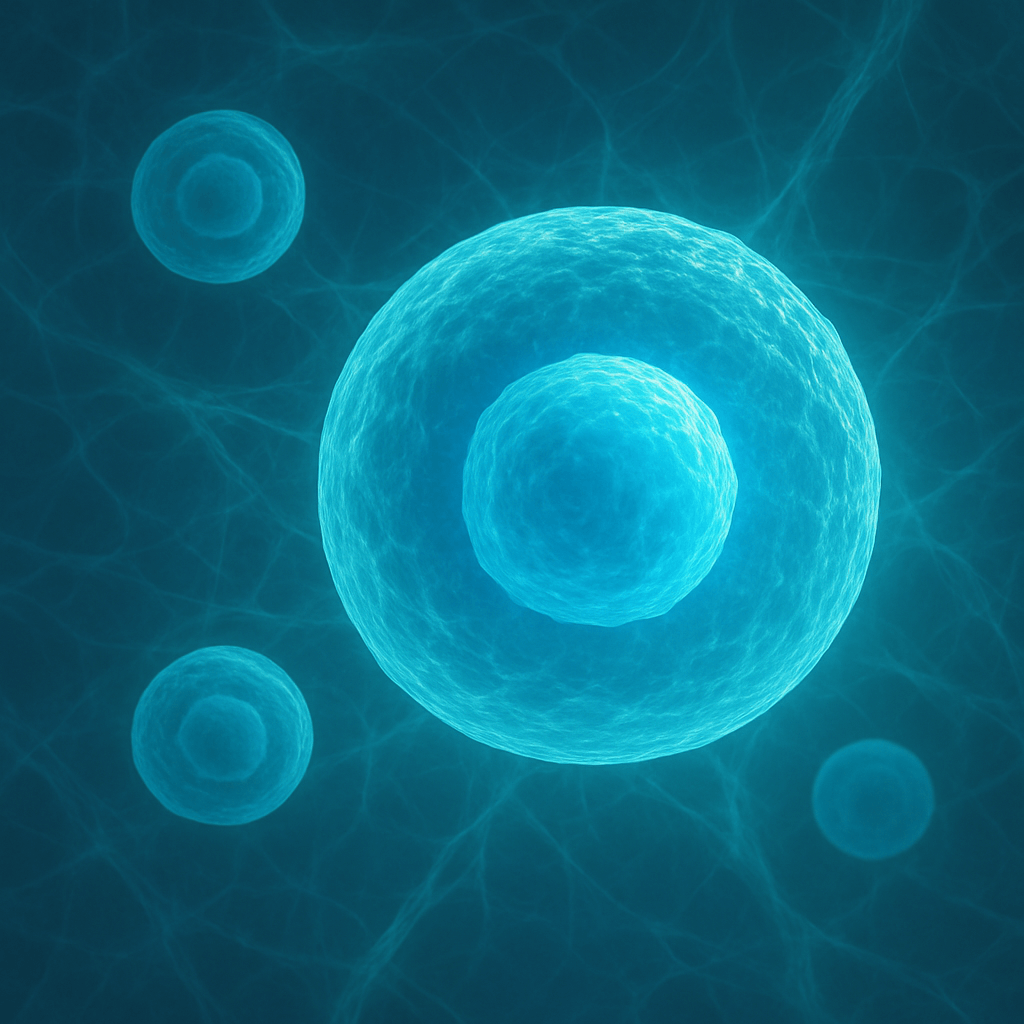
Cord-derived cells are collected under strict guidelines and processed in clinical-grade laboratories, which supports both cellular integrity and reproducibility in outcomes.
This sourcing method helps reduce variability often associated with patient-derived stem cells (such as those from fat or bone marrow), which may be influenced by age, chronic illness, or medication history.
Why Umbilical Cord Tissue Is Ideal for Regenerative Sourcing
1. Naturally Potent and Biologically Young
Cells collected from umbilical cord tissue are biologically younger than those from adult donors. This gives them greater durability and functionality in a regenerative setting. These young cells have:
- Higher telomerase activity
- Greater potential for pluripotency
- Stronger response to bio-signaling pathways
2. Sterile, Consistent, and Screened
The collection of umbilical cord tissue is non-invasive and ethically sourced, typically from births where full donor consent has been obtained. Donor tissue is then screened for:
- Infectious disease
- Genetic abnormalities
- Sterility and microbial safety
This results in a highly controlled regenerative product, unlike autologous stem cell harvesting, where patient variability can influence treatment performance.
3. Avoids Common Challenges With Adipose and Bone Marrow Sources
While many patients benefit from MSCs derived from their own fat or bone marrow, this approach presents certain limitations:
- Variability in cell counts
- Quality reduction due to age or comorbidities
- Invasive harvesting procedures
- Delayed processing and culture time
By contrast, cord-derived MUSE cells are pre-screened, tested, and cryopreserved for clinical use. This ensures more predictable quality in each application.
Clinical Advantages in Orthopedic Applications
At STEMS Health, umbilical cord-derived MUSE Cells are used only for orthopedic conditions affecting the:
- Knee – early-stage arthritis, meniscus injuries, cartilage wear
- Shoulder – rotator cuff damage, joint inflammation, post-surgical recovery
- Spine – facet joint pain, disc degeneration, soft tissue inflammation
These procedures are non-surgical, guided by advanced imaging techniques, and focused on promoting structural integrity and pain reduction over time.
Key Benefits for Patients
1. Targeted Regeneration
Cord-derived MUSE cells naturally migrate to areas of tissue damage and inflammation, where they help modulate healing and stimulate new tissue formation.
2. Bio-Signal Integration
These cells participate in complex communication networks that support collagen regeneration, inflammation control, and better joint stability.
3. High Potency
Because of their youthful origin and purification, these cells maintain strong viability and signaling capability, making them more effective in low-oxygen or high-stress environments such as degenerating joints.
Ethical, Safe, and Licensed Use at STEMS Health
STEMS Health is among a select number of Florida clinics licensed by MCI (Muse Cell Innovations) to administer authentic Dezawa MUSE Cell therapy. We do not use unverified stem cell products or market off-label uses such as IV infusion.
All MUSE cells used at our Miami Beach clinic are:
- Derived from screened, ethically sourced umbilical cord tissue
- Processed in FDA-registered, cGMP-compliant labs
- Tracked and traceable through stringent batch documentation
We are proud to offer this treatment exclusively for orthopedic conditions, supported by imaging, diagnostics, and personalized post-care protocols. Our goal is to ensure safe, informed access to next-generation regenerative therapies for patients seeking non-surgical relief.
FAQs
Are cord-derived MUSE cells safe?
Yes. These cells are ethically sourced, rigorously screened, and processed under sterile lab conditions. They’re clinically prepared for safe orthopedic use.
Why not use fat or bone marrow stem cells?
While those sources are still used in medicine, umbilical cord-derived MUSE cells offer more consistency, higher regenerative potential, and avoid invasive harvesting procedures.
How is the therapy administered?
Cells are injected directly into joints or spinal areas using ultrasound or fluoroscopic guidance. The procedure is outpatient and does not involve general anesthesia.
What can I expect after treatment?
Most patients resume normal activity within days. Results vary but may include reduced pain, better joint function, and improved mobility over time.
Disclaimer: The information provided in this article is for educational and informational purposes only and is not intended as medical advice. Treatments and outcomes described may not be appropriate for every individual. Always consult a licensed healthcare provider to determine the best course of care for your specific needs.
Certain regenerative medicine procedures discussed – such as stem cell therapy, exosome therapy, or other biologic treatments – may be considered investigational or not FDA-approved for all conditions. Florida law requires that we disclose this status. While these procedures are offered in accordance with state and federal guidelines, their safety and efficacy have not been fully established by the U.S. Food and Drug Administration.
Results vary, and no guarantee of specific outcome or benefit is implied. All medical procedures involve potential risks, which should be discussed with your treating provider prior to treatment.
© STEMS Health Regenerative Medicine, Miami Beach, Florida. All rights reserved.
