

Reviewed by Dr. Ankeet Choxi
Stem cell skin rejuvenation represents a growing field in aesthetic medicine that harnesses the body’s natural regenerative capabilities to improve skin appearance and texture. This innovative approach offers patients an alternative to traditional cosmetic procedures such as dermal fillers, Botox injections, and plastic surgery.
The science behind cellular regeneration focuses on stimulating the body’s own repair mechanisms to address signs of aging, sun damage, and skin imperfections. Unlike conventional treatments that temporarily mask aging signs or require surgical intervention, stem cell therapy works at the cellular level to promote natural tissue regeneration.
Key benefits of stem cell-based treatments include natural-looking results, minimal downtime, and the ability to create personalized treatment protocols. At STEMS Health Miami Beach, patients receive comprehensive evaluations to determine the most appropriate stem cell therapy approach for their individual skin concerns and aesthetic goals.
This emerging field continues to evolve as researchers develop new techniques and refine existing protocols, offering patients more options for achieving rejuvenated skin without invasive procedures.
How Stem Cell Therapy Works for Skin Regeneration
Stem cells function as the body’s repair system, possessing the unique ability to develop into various types of specialized cells. In skin rejuvenation applications, these cells work to restore damaged tissue and promote the formation of healthy, new skin cells.
The cellular regeneration process begins when stem cells are introduced to treatment areas through various delivery methods. These cells then receive signals from surrounding tissues that guide their differentiation into specific cell types needed for repair, including fibroblasts that produce collagen and elastin.
This process mirrors the body’s natural healing mechanisms but occurs at an accelerated rate. The stem cells release growth factors and cytokines that stimulate existing skin cells to function more effectively while promoting the formation of new blood vessels to improve nutrient delivery to treated areas.
Cellular communication plays a critical role in this process, as stem cells coordinate with existing tissue to ensure proper integration and optimal healing outcomes. The treatment works by enhancing the skin’s natural ability to repair itself rather than introducing foreign substances.
Safety considerations include proper sourcing of stem cell materials, sterile handling procedures, and adherence to FDA guidelines for regenerative medicine treatments. STEMS Health Miami Beach follows strict protocols to ensure patient safety while delivering effective treatment outcomes.
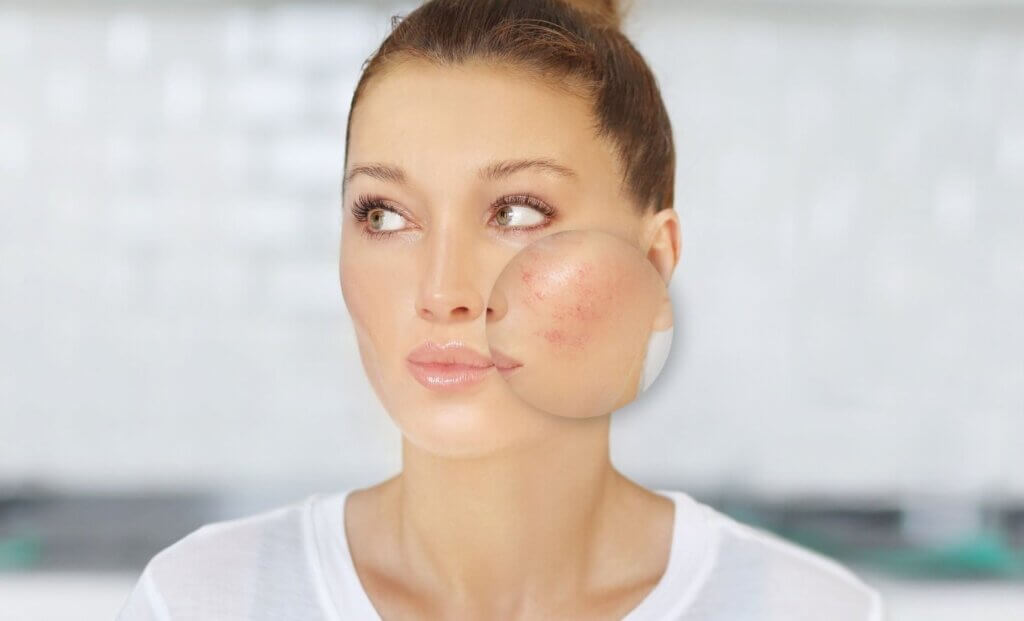
Types of Stem Cell Treatments for Facial Rejuvenation
Umbilical-Cord MSCs Applications
Umbilical-cord mesenchymal stem cells (MSCs) derive from donated umbilical cord tissue collected during healthy births. These cells offer several advantages in aesthetic applications due to their young age and high regenerative potential.
The harvesting process involves careful collection and processing of umbilical cord tissue in certified laboratories. These facilities follow strict quality control measures to ensure cell viability and safety. Clinical applications in aesthetic treatments include addressing fine lines, improving skin texture, and enhancing overall skin tone.
Advantages of umbilical-cord MSCs over other stem cell sources include their immunomodulatory properties, which reduce the risk of adverse reactions. Treatment protocols typically involve multiple sessions spaced several weeks apart to allow for optimal cellular integration and regeneration.
Exosomes in Aesthetic Medicine
Exosomes are small vesicles released by cells that carry proteins, lipids, and genetic material between cells. In aesthetic medicine, exosomes derived from stem cells serve as powerful signaling molecules that promote skin regeneration and repair.
These microscopic messengers enhance skin regeneration by delivering growth factors and other beneficial substances directly to target cells. The treatment stimulates cellular renewal, improves skin barrier function, and promotes collagen production.
Treatment delivery methods include topical application following microneedling, direct injection into treatment areas, or combination approaches that maximize exosome penetration. Research supporting exosome efficacy continues to expand, with studies demonstrating improvements in skin hydration, elasticity, and overall appearance.
PRF Microneedling Combined Therapies
Platelet-rich fibrin (PRF) microneedling combines the regenerative properties of concentrated platelets with the delivery benefits of controlled micro-injuries to the skin. The PRF extraction process involves drawing a small amount of the patient’s blood and processing it to concentrate platelets and growth factors.
Microneedling technique integration creates microscopic channels in the skin that allow for enhanced absorption of PRF and other regenerative substances. This combination approach produces synergistic effects that amplify the benefits of each individual treatment.
The recovery timeline for PRF microneedling typically involves mild redness and swelling for 24-48 hours, with gradual improvement visible over several weeks. Aftercare instructions include sun protection, gentle skincare, and avoiding harsh treatments during the healing period.
Collagen Stimulation Through Stem Cell Therapy
The mechanism of collagen production enhancement through stem cell therapy involves stimulating fibroblasts, the cells responsible for producing collagen and elastin proteins that provide skin structure and elasticity. Stem cells release specific growth factors that signal fibroblasts to increase their production of these essential proteins.
The timeline for visible collagen improvements typically begins within 4-6 weeks of treatment, with continued enhancement occurring over 3-6 months as new collagen forms and matures. This gradual process results in progressive skin improvement rather than immediate but temporary changes.
Comparison to traditional collagen-boosting treatments reveals that stem cell therapy provides more comprehensive and longer-lasting results. While topical products and some procedures may temporarily improve skin appearance, stem cell treatments address the underlying cellular mechanisms responsible for collagen production.
Long-term benefits for skin structure include improved firmness, reduced fine lines and wrinkles, and enhanced skin thickness. These changes occur gradually and naturally, creating results that integrate seamlessly with the patient’s existing facial features.
Patient selection criteria for collagen stimulation treatments include overall health status, realistic expectations, and commitment to following post-treatment care instructions. STEMS Health Miami Beach evaluates each patient’s individual circumstances to determine the most appropriate treatment approach.
Personalized Protocols in Stem Cell Aesthetics
Individual assessment and treatment planning form the foundation of effective stem cell aesthetic treatments. This process involves comprehensive evaluation of skin condition, medical history, aesthetic goals, and lifestyle factors that may influence treatment outcomes.
Factors influencing protocol customization include the patient’s age, skin type, specific concerns being addressed, and previous aesthetic treatments. Personalized treatment plans ensure that each patient receives the most appropriate combination of therapies for their individual needs.
Age considerations affect both the type and intensity of treatments recommended. Younger patients may benefit from preventive protocols, while older patients might require more intensive approaches to address existing signs of aging.
Skin type and condition assessments help determine the most suitable delivery methods and treatment intervals. Patients with sensitive skin may require modified protocols, while those with more resilient skin might tolerate more aggressive approaches.
Treatment frequency and maintenance schedules vary based on individual response and desired outcomes. Initial treatment series typically involve 3-4 sessions spaced 4-6 weeks apart, followed by maintenance treatments every 6-12 months.
Non-Surgical Face Treatments: What to Expect
Typical treatment sessions at STEMS Health Miami Beach last 60-90 minutes, depending on the specific procedures being performed and the areas being treated. This timeframe includes preparation, treatment administration, and post-treatment observation.
Comfort levels during non-surgical face treatments vary by individual, but most patients report minimal discomfort. Topical anesthetics may be applied before treatments involving microneedling or injection techniques to enhance patient comfort.
Immediate post-treatment effects commonly include mild redness, slight swelling, and potential bruising at injection sites. These effects typically resolve within 24-48 hours and can be managed with cold compresses and gentle skincare.
The recovery timeline for stem cell treatments is considerably shorter than surgical alternatives. Most patients can return to work and normal activities within 1-2 days, compared to weeks of recovery required for surgical procedures.
Activity restrictions are minimal but may include avoiding intense exercise for 24-48 hours and protecting treated areas from direct sun exposure. Patients can typically resume their regular skincare routine within a few days, following specific post-treatment guidelines provided by their treatment team.
Stem cell skin rejuvenation offers patients a natural approach to addressing signs of aging and improving skin quality without surgical intervention. The treatment harnesses the body’s own regenerative capabilities to create lasting improvements in skin texture, tone, and overall appearance.
The personalized approach to stem cell aesthetics ensures that each patient receives treatment protocols tailored to their individual needs and goals. This customization, combined with the natural regenerative properties of stem cells, creates results that look and feel authentic.
Patients considering stem cell treatments should consult with qualified practitioners who can provide comprehensive evaluations and develop appropriate treatment plans. STEMS Health Miami Beach continues to advance the field of regenerative aesthetics through ongoing research and refined treatment protocols.
As research in regenerative medicine continues to evolve, new techniques and applications for stem cell therapy in aesthetic medicine will likely emerge, offering patients even more options for achieving their skin rejuvenation goals through natural, non-surgical approaches.
Frequently Asked Questions
How long do results from stem cell skin treatments last?
Results from stem cell skin rejuvenation typically become visible within 4-6 weeks and continue improving for 3-6 months. The longevity of results varies by individual but generally lasts 12-18 months, with some patients experiencing benefits for up to 2 years. Maintenance treatments can help extend and enhance results.
Are stem cell treatments safe for all skin types?
Stem cell treatments are generally safe for most skin types when performed by qualified practitioners. However, individual assessment is essential to determine suitability. Patients with certain autoimmune conditions, active skin infections, or bleeding disorders may not be candidates for these treatments. STEMS Health Miami Beach conducts thorough evaluations to ensure treatment safety.
How do stem cell treatments compare to traditional anti-aging procedures?
Stem cell therapy works by stimulating the body’s natural regenerative processes, creating gradual, natural-looking improvements. Unlike fillers or Botox, which provide immediate but temporary results, stem cell treatments promote long-term cellular renewal. The results appear more natural and integrate better with existing facial features.
What is the difference between exosomes and traditional stem cell treatments?
Exosomes are the signaling molecules released by stem cells, containing the therapeutic benefits without the actual cells. Exosome treatments offer similar regenerative benefits with potentially fewer regulatory concerns and storage requirements. Both approaches can be effective, and the choice depends on individual patient needs and treatment goals.
Can stem cell treatments be combined with other aesthetic procedures?
Yes, stem cell skin rejuvenation can often be combined with other non-surgical aesthetic treatments to enhance results. Common combinations include microneedling, laser treatments, and chemical peels. However, timing and sequencing of treatments should be carefully planned to optimize outcomes and minimize potential complications.
