

Restore thick, strong hair with the latest regenerative hair restoration treatments. The leading Miami doctors at STEMS Health offer Non-Invasive Stem Cell, Exosome, and PRP-based hair restoration treatments to target your unique form of hair loss and help stimulate new hair follicles.
We harness the latest regenerative protocols to help patients maintain their hair restoration results for the long term. Proactively booking regenerative treatments at the beginning of hair loss helps increase the chances of restoration success.
Start your tailored treatment plan today by booking your free virtual consultation with our board-certified hair restoration doctors at STEMS Health in Miami Beach.

Dr. Jarred Mait is a licensed general medicine and functional medicine physician. He completed medical school at the University of Miami and then Anesthesiology training at the University of Miami/Jackson Memorial Hospital. He is the owner and Medical Director of Pulse & Remedy.
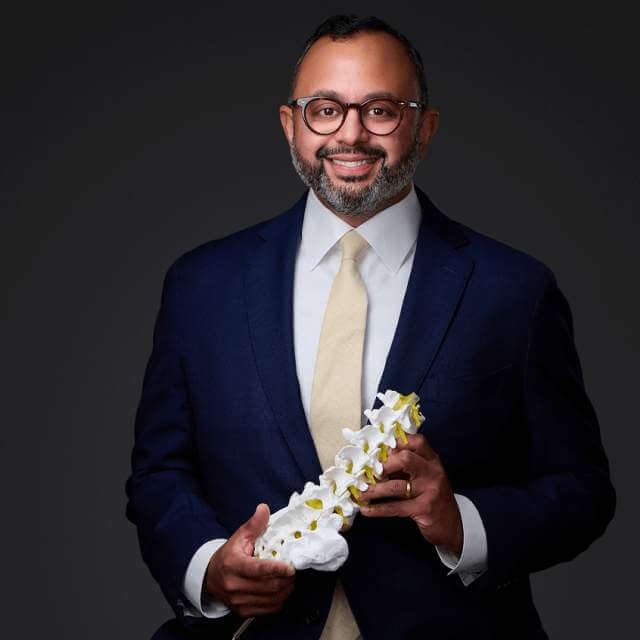
Dr. Choxi is a double-board certified Anesthesiologist and Interventional Pain Management Physician. He completed medical school at Vanderbilt University in Nashville, TN, followed by Anesthesiology training at the University of Miami and Pain Management fellowship training at New York University (NYU) – Langone Health.
Hair loss patients turn to our stem cell doctors at STEMS Health in Miami Beach because we’re known for our targeted approach to stem cell treatment. We harness the latest diagnostic technology to pinpoint the type and pattern of your hair loss.
We then use adipose (fat tissue) derived stem cells to treat your specific hair loss.
Stem cell treatment for hair loss involves our board-certified doctors injecting stem cells directly into the target area of the scalp.
Unlike other hair therapies that involve relocating follicles, stem cells help stimulate the growth of new follicles for enduring hair restoration.
Our skilled diagnosticians harness the latest in imaging technology to identify the root cause of your ankle and foot pain, allowing us to determine whether PRP could offer relief while supporting injury recovery over the long term.
Learn why patients nationwide are call STEMS Health for the latest hair restoration treatments.
Call us at 305-677-0565 or fill out our contact form to book your consultation.
The appointment begins with our doctors drawing your blood and then spinning the blood sample into a centrifuge to concentrate the plasma.
Not all PRP hair loss treatment services offer the same high PRP potency. For exceptional hair regrowth results, the potency of the PRP sample is the critical factor.
We carefully validate the potency of our PRP during the sampling process, ensuring maximum results with levels of over 1 billion platelets per mL.
During PRP (Platelet-Rich Plasma) treatment, our doctors inject a concentration of platelets into the scalp to promote hair growth and overall scalp health.
The latest research from the Journal of Cosmetic Dermatology indicates PRP is an effective option for restoring hair for patients with androgenetic alopecia, one of the most common causes of hair loss.
Learn why patients nationwide are call STEMS Health for the latest hair restoration treatments.
Call us at 305-677-0565 or fill out our contact form to book your consultation.
Exosomes are membrane-bound vesicles released by cells that act as messengers, carrying molecules like proteins, lipids, and nucleic acids to communicate with other cells.
Exosomes target the root cause of conditions such as hair loss and improve inter-cell communication.
Stem-cell-derived exosomes also include IL10, TGF-β (Transforming Growth Factor β), and other anti-inflammatory cytokines, creating a favorable environment for hair growth.
STEMS Health is a Miami leader in exosome therapy. Our board-certified doctors have completed hundreds of hair restoration exosome treatments for patients throughout Florida.
This exceptional work has helped us build a comprehensive insight into exosomes and their value in treating the various underlying causes of hair loss.
Over our many years of completing hair loss treatments, STEMS Health has become Miami’s regenerative care leader in hair restoration.
Patients throughout Florida turn to our board-certified doctors for:
We provide comprehensive insight into the hair loss process and a data-based approach to regenerative treatment selection. Our doctors explore each treatment option in detail and will only make recommendations when we believe treatment can make a tangible and enduring difference.
As the leader for regenerative services in Miami, few Florida clinics can match our facility for patient comfort and cutting-edge technology. You’ll have Miami’s top doctors for hair treatments available to help you navigate each phase of treatment.
From your initial consultation to the final treatment and maintenance phase, we customize our approach to care specifically for you and your restoration goals. Building on decades of experience in regenerative medicine, we integrate the latest research in your hair treatment, delivering results other facilities cannot match.
At STEMS Health Miami Beach, we’re committed to delivering measurable long-term hair regrowth results. Our treatments are ideal for both men and women experiencing various types of hair loss, including those seeking post-hair transplant maintenance.
Book your free virtual consultation today and discover why STEMS Health Miami Beach is South Florida’s premier choice for hair restoration.
Androgenetic alopecia, the most common form of hair loss affecting both men and women, results from genetic sensitivity to dihydrotestosterone (DHT) that progressively miniaturizes hair follicles.
Regenerative medicine offers powerful interventions through exosome and stem cell treatments that deliver growth factors directly to compromised follicles. These treatments help reactivate dormant hair cycles, strengthen follicular cells against DHT damage, and improve blood circulation to nourish the follicle. Unlike medications that block DHT, regenerative approaches repair the cellular environment, potentially restoring hair growth cycles in affected areas.
Telogen effluvium occurs when significant physical or emotional stress prematurely pushes hair follicles into the resting phase, resulting in diffuse shedding. Regenerative treatments address this by introducing signaling molecules that help normalize disrupted hair cycles.
Growth factors from exosomes and PRP can accelerate recovery by promoting anagen phase reentry and strengthening hair follicles against future stressors. These treatments also reduce scalp inflammation that often accompanies stress responses, creating an optimal environment for recovery and preventing acute conditions from developing into chronic hair loss.
Alopecia areata involves immune system attacks on hair follicles, resulting in patchy hair loss. Regenerative medicine approaches help to modulate the inflammatory environment around affected follicles through immunomodulatory factors in exosomes and stem cell derivatives.
These treatments can reduce the autoimmune response while supporting follicle repair and regeneration.
The anti-inflammatory properties help protect follicles from further immune assault as growth factors stimulate regrowth in affected areas, offering an alternative approach for patients who don’t respond to conventional immunosuppressive treatments.
Traction alopecia develops from prolonged pulling forces on hair follicles, often from tight hairstyles or extensions. Regenerative treatments excel here by delivering tissue-repairing compounds directly to damaged follicles and surrounding tissue.
Exosomes and growth factor-rich therapies help restore blood supply to the follicle, repair structural damage to the dermal papilla, and revitalize follicle stem cell populations that have been compromised by chronic tension. These treatments can often rescue follicles that are weakened but not scarred, preventing permanent loss while stimulating regrowth in areas where conventional treatments might fail.
Hair loss from nutritional deficiencies (including iron, biotin, protein, and various vitamins) impairs the follicle’s ability to produce healthy hair shafts. Regenerative medicine complements nutritional interventions by optimizing how follicles utilize available nutrients.
Exosome treatments enhance cellular metabolism within follicles, improving energy production and protein synthesis for hair growth. Additionally, growth factors delivered through regenerative treatments can temporarily compensate for nutritional gaps by providing direct signaling support to struggling follicles. This dual approach accelerates recovery time compared to nutritional supplementation alone, particularly for patients with severe or longstanding deficiencies.
Age-related hair thinning results from natural declines in follicle stem cell function, reduced circulation, and accumulated cellular damage. Regenerative treatments directly address these factors by replenishing the diminished growth factor environment that occurs with aging.
Exosomes and stem cell-derived treatments deliver compounds that can rejuvenate senescent follicle stem cells, improve microcirculation to aging tissues, and provide antioxidant protection against further cellular damage. This comprehensive approach helps restore more youthful hair growth cycles and stem cell function, effectively turning back the biological clock for hair follicles and addressing the fundamental mechanisms of age-related thinning.
Unlike topical treatments such as minoxidil, which only affects the surface, or oral medications like finasteride, which alters hormones systemically, exosomes work at the cellular level to regenerate hair follicles. They’re also different from PRP (which uses your blood components) and hair transplants (which relocate existing follicles) as they focus on repairing and rejuvenating existing follicles through signaling molecules that can penetrate deeply into tissue.
Most patients require an initial series of 2-3 treatments spaced 4-6 weeks apart for optimal results. Many notice reduced shedding within the first month, with visible improvements in thickness and new growth typically beginning around the 3-month mark. Maximum results generally appear 6-to-9 months after treatment. Individual response varies based on age, hair loss severity, and underlying causes. Many providers recommend annual maintenance treatments to sustain results long-term.
Regenerative treatments typically involve minimal discomfort. Most providers use topical anesthetics before procedures involving injections or microneedling. Patients generally describe the sensation as mild pressure or slight pinching.
The procedures themselves usually take 30-60 minutes. Unlike hair transplant surgery, there’s minimal to no downtime – most people return to normal activities immediately, though strenuous exercise and direct sun exposure are typically restricted for 24-48 hours. Some patients experience mild redness or sensitivity for a day or two after treatment.
Ideal candidates include those with early to moderate androgenetic alopecia (male/female pattern baldness), people experiencing thinning rather than complete baldness, and those who don’t respond well to conventional treatments. These approaches work best when hair follicles are still present but underperforming rather than completely absent.
Patients with autoimmune hair loss, stress-related shedding, or traction alopecia may also benefit. The treatments are generally suitable for men and women of various ages, though results are typically most dramatic in those who address hair loss in its earlier stages.