

If you suffer from bothersome knee, hip, shoulder, or other joint pain, your doctor may have recommended cortisone injections to help reduce inflammation and discomfort.
However, research shows cortisone shots may come with undesirable side effects and risks. Fortunately, exciting new regenerative therapies offer safe, natural pain relief by harnessing your body’s innate healing abilities.
What is Regenerative Medicine?
Regenerative therapies like platelet-rich plasma (PRP) and stem cell treatments use substances and cells found naturally in your own body to reduce inflammation, repair damage, and stimulate healing. Multiple published studies have found PRP and stem cell injections effective for osteoarthritis as well as tendon, ligament, and cartilage injuries, with few side effects – especially fewer than cortisone shots.
For example, a systematic review found that PRP injections improved function and reduced pain for up to 12 months for patients with knee arthritis. Another analysis in the Annals of Internal Medicine determined PRP provided better pain relief than hyaluronic acid or placebo injections.
Regenerative treatments may help avoid problems that cortisone could cause the body.
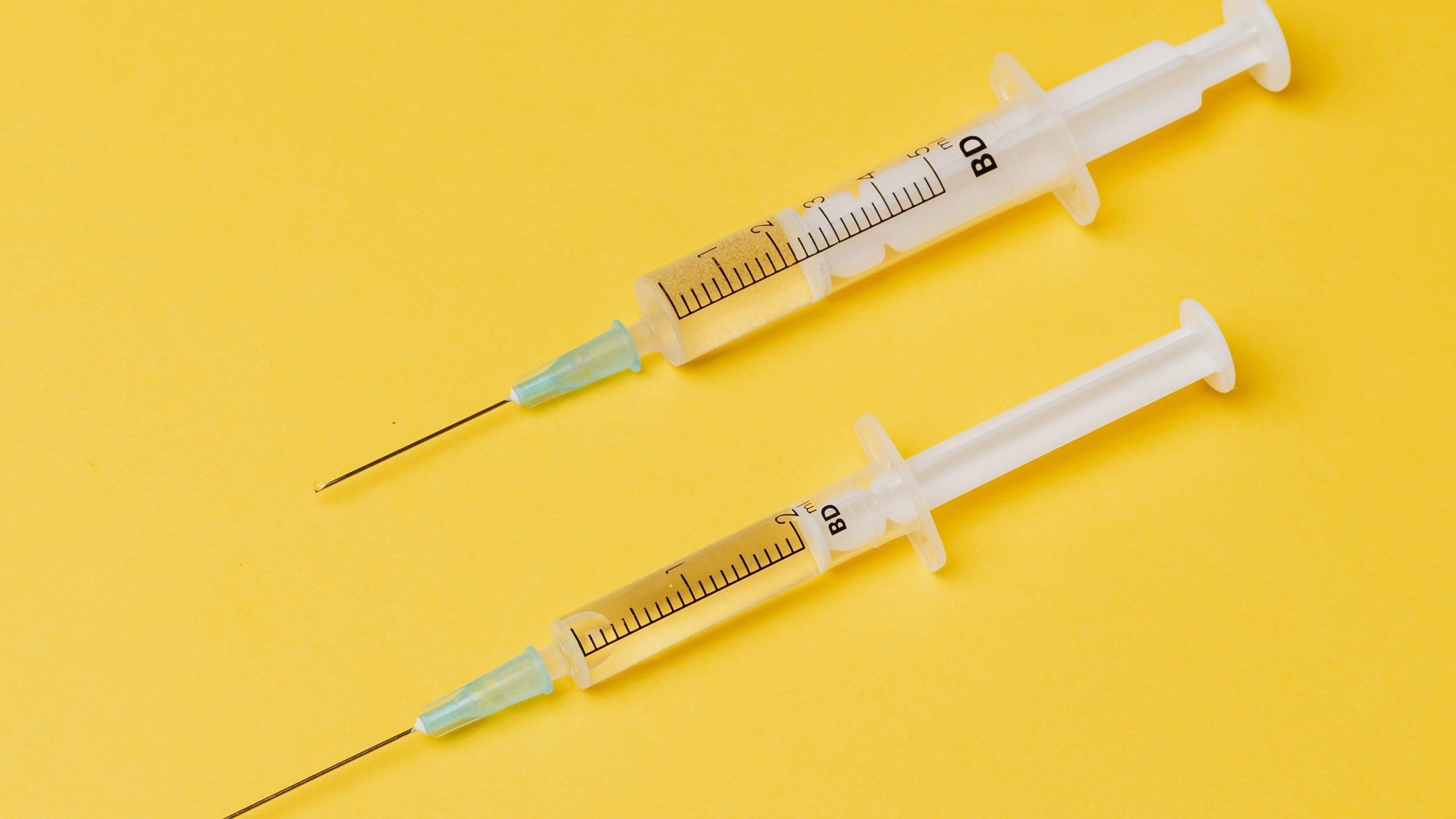
Downsides of Cortisone Injections
While fast-acting and effective for temporary relief, repeated cortisone injections come with health consequences:
-
Progression and change of increased cartilage damage
-
Higher infection risk
-
Poor wound healing
-
Thinning skin, bruising
-
Bone loss (osteoporosis)
-
Adrenal gland suppression
Too much cortisone over time can weaken joints, bones, and the immune system. Unfortunately, joint pain relief from cortisone lasts just a few months before the discomfort returns.
Regenerative Therapy Advantages
Unlike cortisone’s flawed short-term fix, regenerative treatments like PRP and stem cell therapy promote true healing via your body’s natural mechanisms. Benefits include:
-
Lasting pain relief
-
Anti-inflammatory effects without cortisone side effects
-
Cartilage regeneration and protection
-
Less likely to require future surgery
-
Improved functionality and mobility
How Does It Work?
PRP and stem cell treatments first require a simple blood draw. Your blood gets spun in a centrifuge to concentrate platelets or stem cells. Then, it gets re-injected precisely into injured joints or tendons using ultrasound guidance to kickstart and accelerate the body’s innate repair. With long-term safety data, regenerative injections provide a superior, effective alternative to repeat cortisone shots.
Relieve Joint Pain without Cortisone
Rather than temporarily masking symptoms, innovative options such as platelet-rich plasma and stem cell therapy tackle inflammation and damage at their source for lasting relief and use the body’s cells to promote healing. Platelet cell treatments have an excellent track record for safety across orthopedic conditions.
If persistent joint pain limits your quality of life, non-cortisone regenerative injections may enable you to return to daily and recreational activities pain-free.
Let’s discuss how these cutting-edge treatments can help you find safe, lasting freedom from nagging osteoarthritis or sports injuries.
