

Differentiating Two Common Elbow Injuries
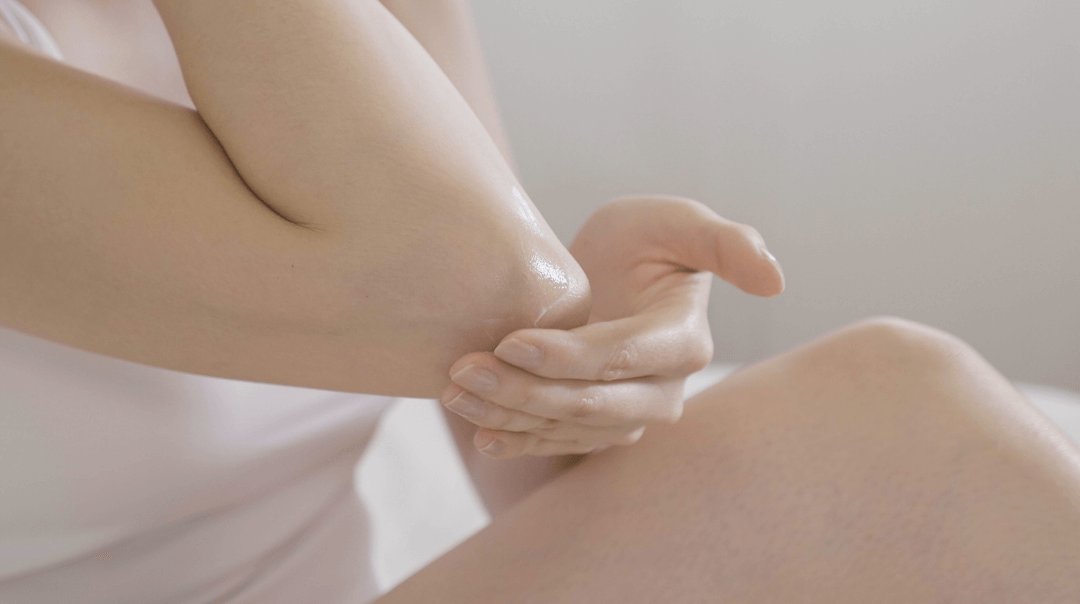
Elbow Pain in Sports and Daily Activities
Elbow pain, a frequent complaint in both sports and daily activities, often brings two common culprits into the spotlight: tennis elbow and golfer’s elbow. While their names hint at a sports-related origin, these conditions extend far beyond the tennis courts and golf courses, affecting a broad spectrum of individuals.
Both stem from similar mechanisms of repetitive stress and overuse, yet they impact distinct areas of the elbow, leading to unique challenges in treatment and management. In this blog, we delve into understanding these prevalent conditions, comparing their causes, symptoms, and the latest in treatment options, highlighting how modern regenerative medicine techniques offer effective solutions for these pervasive elbow injuries.
Tennis Elbow: Lateral Epicondylitis
Tennis Elbow results from overuse or traumatic injury, not limited to playing tennis. Repetitive gripping activities like using tools, painting, or even cutting meat can lead to tennis elbow, specifically activities that rely on overuse or repetitive use of the forearm muscles that attach to the outside of the elbow.
This results in swelling or tearing of the tendons, creating pain and soreness from excessive strain.
Tennis elbow, medically known as lateral epicondylitis, is prevalent, affecting about 1-3% of the population each year. It involves inflammation and pain on the outside of the elbow, affecting the extensor carpi radialis brevis muscle.
What Are The Common Symptoms of Tennis Elbow?
The symptoms often interfere with daily activities and can be quite painful. Here’s what to look out for:
-
Pain and Tenderness: The most noticeable symptom is pain that radiates from the outside of the elbow into the forearm and wrist. It’s often described as a burning or aching sensation.
-
Difficulty with Gripping: Activities that involve gripping or holding objects, even as simple as turning a doorknob or holding a coffee cup, can become challenging.
-
Weakness in the Forearm: You might experience a noticeable decrease in your ability to grip objects firmly.
-
Stiffness in the Elbow: Especially noticeable in the morning or after periods of rest.
-
Radiating Pain: During certain activities, the pain might extend down to the forearm and wrist.
What Are The Most Common Causes of Tennis Elbow?
Tennis elbow isn’t limited to athletes; it can affect anyone who engages in repetitive arm and wrist activities. Here’s what typically causes it:
-
Sports-Related Causes: Frequently seen in tennis players due to repetitive wrist and arm motions. Also common in other racquet sports like squash and badminton.
-
Career and Occupational Causes: Common among painters, carpenters, plumbers, and butchers due to repetitive arm movements and gripping tools. Also seen in musicians, particularly those playing string instruments.
Management and Treatment of Tennis Elbow
Effective management and treatment are key to recovery. Here’s what’s commonly recommended
-
Rest and Ice: Giving your arm a break and using ice packs can reduce swelling and alleviate pain.
-
Physical Therapy: Exercises tailored to strengthen and stretch the forearm muscles can be helpful to counteract the weak or overused muscles.
-
Anti-inflammatory Medications: These can help manage pain and reduce inflammation.
-
Advanced and Regenerative Treatments: In cases where conventional treatments don’t provide relief, options like platelet-rich plasma therapy or cortisone injections may be considered.
-
Surgery: This is generally reserved for severe cases where other treatments have failed to provide relief.

Golfer’s Elbow: Medial Epicondylitis
Similar to tennis elbow, a golfer’s elbow is caused by overuse or trauma, affecting the tendons connected to the medial epicondyle. Golfer’s elbow, or medial epicondylitis, affects about 0.4% of the population, much less than tennis elbow. However, it is highest among subjects ages 45 to 64 and more common in women. It manifests as pain and inflammation on the inside of the elbow.
What Are The Common Symptoms of Golfer’s Elbow?
This condition manifests in ways that can hinder daily activities due to pain and discomfort. Key symptoms include:
-
Pain in the Inner Elbow: The most distinct symptom, which can also radiate along the forearm.
-
Difficulty with Hand and Wrist Movements: Tasks that involve clenching the fist or gripping objects can be particularly challenging or painful.
-
Weakness in the Hands and Wrists: A noticeable decrease in grip strength.
-
Numbness or Tingling: These sensations might extend into the fingers, usually the ring and little fingers.
-
Stiffness in the Elbow: Making it difficult to make a fist.
What Are The Most Common Causes of Golfer’s Elbow?
Despite its name, the golfer’s elbow isn’t limited to the golfer. It can affect anyone who engages in activities involving repetitive wrist and arm motions:
-
Sports-Related Activities: Apart from golf, sports like baseball, bowling, and archery can also lead to this condition.
-
Occupational Causes: Repetitive hand motions in jobs such as construction, assembly line work, and extensive computer use are common culprits.
Management and Treatment of Golfer’s Elbow
Treatment options are similar to those for tennis elbow, including:
-
Rest and Ice: Essential for reducing inflammation and pain.
-
Physical Therapy: Exercises aimed at strengthening and stretching the affected muscles.
-
Anti-inflammatory Medications: Helpful in managing pain and reducing inflammation.
-
Advanced and Regenerative Treatments: Options like platelet-rich plasma therapy or corticosteroid injections for more persistent cases.
-
Surgery: Considered in severe cases where other treatments haven’t been effective.
Can You Have Both?
Yes, it is possible to have both tennis elbow and golfer’s elbow simultaneously, although it is relatively rare. This can occur in individuals who engage in activities that put a strain on both the inner and outer parts of the elbow. For instance, certain athletes or workers who perform repetitive motions involving both pronation and supination of the forearm might develop both conditions (such as baseball players, gymnasts, well – golfers and tennis players). When both conditions are present, a comprehensive treatment plan that addresses the symptoms and causes of both tennis and golfer’s elbow is essential for effective recovery.
Identifying and Addressing Elbow Pain
“Understanding whether you have tennis elbow or a golfer’s elbow” is key to choosing the right treatment path. Both conditions, while similar in their causes and treatments, affect different areas of the elbow and require specific attention.
Struggling with elbow pain? Don’t let it sideline you. Contact “STEMS Health” for expert advice and personalized treatment plans that cater to your specific condition. Are you ready to overcome elbow pain and get back to your active lifestyle?
