

When To Use Heat and When To Use Ice When Dealing With Injury.
When injury strikes, the first aid response can significantly influence the healing journey. Among the most common and accessible treatments is the “RICE” (rest, ice, compression, elevation), along with heat. Both cold and heat therapy possess unique benefits for pain relief and recovery, but knowing when to use heat or ice is crucial for effective treatment.
Please note: this is not a replacement for emergency medical attention for injury. Should you be experiencing a major strain, sprain, or break, contact your doctor or emergency room immediately.
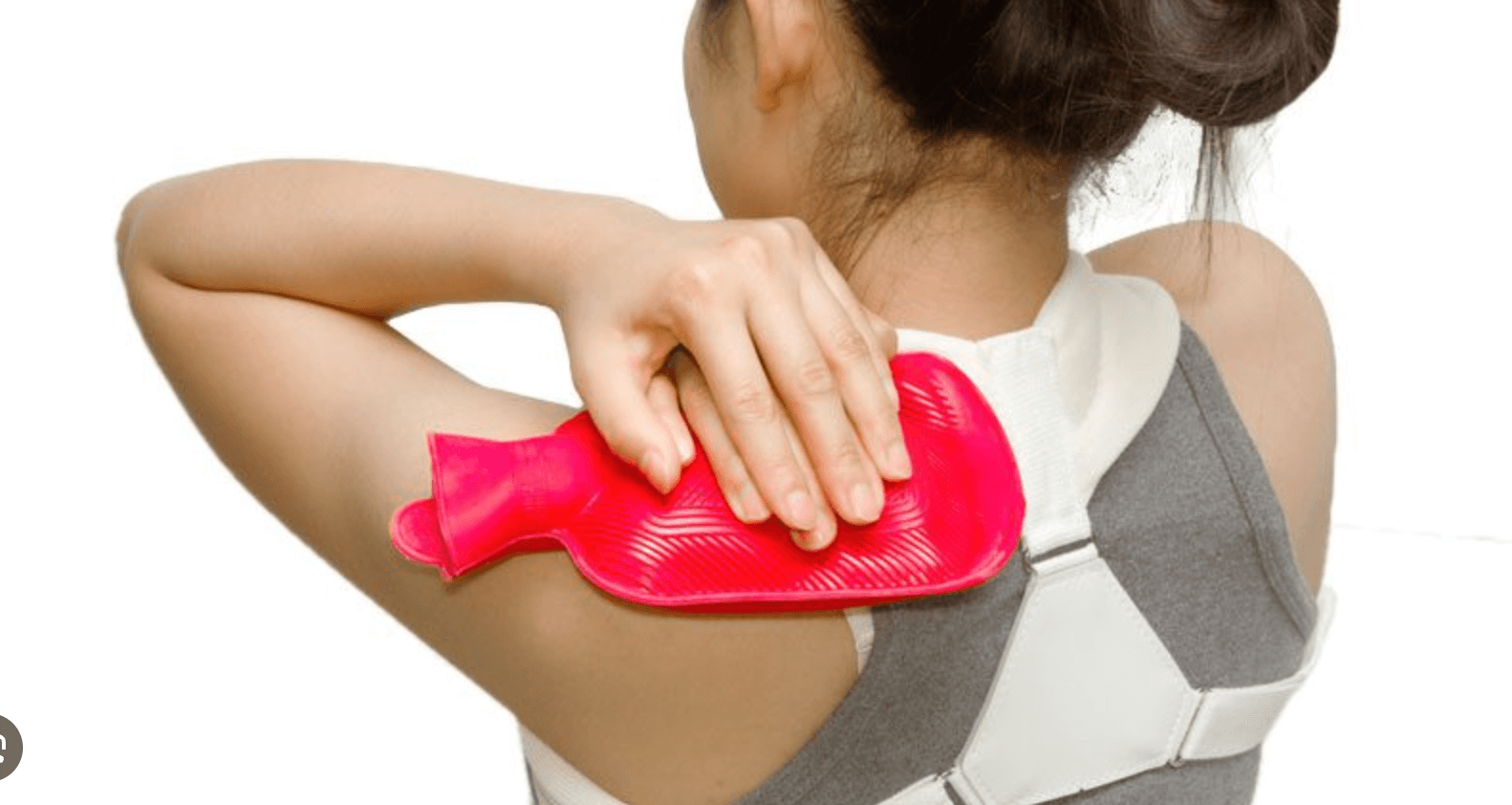
Heat Therapy: Soothing Warmth for Chronic Conditions
Heat therapy works by dilating blood vessels, which increases blood flow to the injury site. This enhanced circulation brings vital nutrients and oxygen that are essential for healing while also aiding in the removal of waste products from the cells.
Heat Therapy is Ideal For:
-
Muscle Tension and Stiffness: The warmth relaxes muscles and reduces spasms, making it perfect for tightness across the body, including neck and lower back areas.
-
Chronic Conditions: Conditions like arthritis benefit from heat therapy as it alleviates joint stiffness and improves mobility.
-
Pre-Activity Warm-Up: Applying heat before exercises can improve elasticity and reduce the risk of strains.
Ice Therapy: Cooling Relief for Acute Injuries
Ice therapy, or cryotherapy, causes vasoconstriction—the narrowing of blood vessels—which reduces blood flow to a specific area. This helps to decrease swelling, inflammation, and pain, particularly right after an injury.
Ideal for:
-
Acute Injuries: Sprains, strains, and bruises respond well to ice therapy, especially if applied within the first 48 hours after the injury.
-
Inflammation and Swelling: Ice helps control the inflammatory response, which is crucial for recovery in the initial stages of injury.
-
Post-Exercise Recovery: Athletes use ice to manage soreness and reduce muscle inflammation after intense physical activity.
Understanding Strains and Sprains: A Key to Proper Treatment
The distinction between strains (muscle/ligament injuries) and sprains (tendon injuries) is critical in choosing between heat and ice. We break this down even further in our article, Understanding the Difference between a Strain and a Sprain.
-
Strains benefit from ice initially to reduce inflammation, followed by heat to promote blood flow and healing once inflammation has decreased.
-
Sprains, characterized by torn ligaments or tendons, require immediate ice therapy to minimize swelling, followed by gradual heat therapy as the acute phase diminishes to enhance healing and flexibility.
Choosing Between Ice and Heat: Depending on The Timeframe
While heat and ice can both be effective, selecting the right one depends on the injury type and stage:
-
Acute Phase (First 48 Hours): Ice is generally recommended to reduce the initial inflammation and swelling.
-
Chronic Phase: Heat therapy is beneficial for ongoing discomfort or conditions that aren’t newly injured.
Alternating Therapy: For some injuries, alternating between heat and ice—known as contrast therapy—can stimulate circulation and reduce swelling, enhancing the healing process. A common method of alternate therapy is as follows:
-
Heat: Apply for 15-20 minutes, ensuring a barrier exists between the heat source and skin to prevent burns.
-
Ice: Use for 10 minutes or until the area feels numb, following the Cold, Burning, Aching, Numbness (CBAN) sequence to avoid frostbite.

Heat and ice therapy are cornerstone treatments in pain management and injury recovery. By understanding their distinct benefits and appropriate applications, you can effectively support your body’s healing process. Always listen to your body’s response to these therapies, and consult healthcare professionals if you’re unsure about the best approach for your specific condition.
If you’re experiencing extended discomfort from pains or strains, regenerative medicine treatments such as PRP therapy or stem cell therapy may reduce recovery time and improve outcomes.
