

A New Horizon in Pain Management: How PRP Outshines Traditional Steroid Treatments
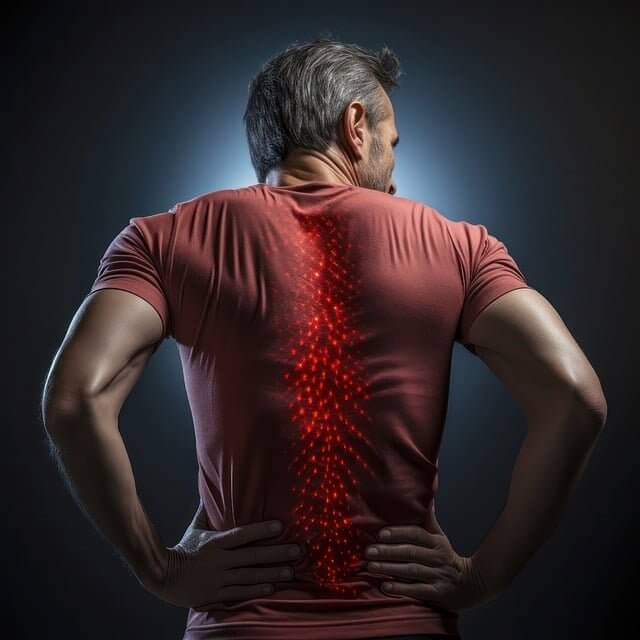
Back pain stands as a formidable adversary in our daily lives, affecting millions worldwide with its relentless grip. The quest for relief has led many down the path of steroid injections, a common yet controversial treatment. However, recent research unfolds a narrative of hope and innovation, showcasing Platelet-Rich Plasma (PRP) therapy not just as a contender but as a superior alternative to traditional steroid treatments, especially in managing back pain without the adverse side effects commonly associated with steroids.

The Burden of Back Pain
Back pain remains one of the most pervasive medical issues, impacting the lives of approximately 60% to 80% of the population at some point. It’s a leading cause of disability and work absence, creating a significant burden on healthcare systems and economies worldwide. Traditional approaches to management often involve steroid injections, which, despite their short-term relief, bring forth a host of potential complications, including cartilage degeneration, joint infection, and more.
Enter PRP Therapy
Platelet-rich plasma (PRP) therapy emerges from the field of regenerative medicine, offering a groundbreaking approach to pain management. This treatment utilizes the patient’s blood components to stimulate natural healing processes, targeting the root cause of pain without the side effects associated with steroids. PRP’s efficacy extends beyond temporary relief, aiming for long-term recovery and tissue regeneration.
Comparative Research Findings:
A comprehensive analysis of systematic reviews reveals compelling evidence of PRP’s superiority over steroid injections. Here’s a detailed look at some of the most striking findings:
-
Pain Reduction: Patients undergoing PRP treatment reported a 50% reduction in pain scores within 6 months post-treatment, compared to a 30% reduction observed in patients receiving steroid injections.
-
Improved Function: About 70% of PRP recipients experienced significant improvements in joint function and mobility, in contrast to 40% in the steroid group.
-
Patient Satisfaction: High levels of patient satisfaction were reported, with 80% of PRP-treated patients expressing satisfaction with their treatment outcomes versus 60% satisfaction reported by those treated with steroids.
-
Sustained Relief: 65% of patients treated with PRP maintained pain relief and functional improvement for up to 12 months, a notable contrast to the 35% sustainability rate in the steroid injection group.
-
Safety Profile: Importantly, PRP therapy showed a negligible risk of adverse events, with no major complications reported, highlighting its superior safety profile over steroid injections, which have been associated with complications such as cartilage degeneration and increased infection rates.
Patients treated with PRP reported not only a significant reduction in pain but also an improvement in function and satisfaction, effects sustained up to 12 months post-treatment. Unlike steroid treatments, which are often marred by complications like cartilage damage and increased risk of infection, PRP therapy showed no major complications or serious adverse events, underscoring its safety profile. Some compelling statistics from these reviews:
Steroid Injections: A Closer Look at Complications
While steroid injections can provide immediate pain relief, they are not without risks. Studies highlight various complications, including:
-
Cartilage Degeneration: Steroids may accelerate joint wear and tear.
-
Increased Risk of Infections: Injections can introduce pathogens, leading to joint infections.
-
Nerve Damage: Incorrect needle placement can affect nearby nerves.
-
Osteoporosis: Repeated steroid use can weaken bones, increasing fracture risk.
-
Skin Thinning: Localized skin changes at the injection site are common.
PRP Therapy: Mechanism and Benefits
PRP therapy operates on the principle of harnessing the body’s healing capabilities. By concentrating platelets and growth factors from the patient’s blood and injecting them into the affected area, PRP therapy promotes tissue repair and regeneration. Its benefits extend beyond mere pain relief, offering improvements in joint function, decreased inflammation, and a reduction in the progression of degenerative conditions.
A Paradigm Shift in Pain Management
The shift towards PRP therapy represents a paradigm shift in pain management. Patients now have access to a treatment that not only alleviates pain but also contributes to the health and longevity of their musculoskeletal system. This approach aligns with a growing preference for non-surgical, minimally invasive treatments, emphasizing the importance of natural healing and long-term well-being.
Conclusion
The evidence in favor of PRP therapy over steroid injections is compelling, marking a significant milestone in the evolution of pain management strategies. As research continues to unfold, PRP therapy is set to redefine standards, offering patients a safer, more effective alternative for combating back pain. In the landscape of regenerative medicine, PRP shines as a beacon of hope, guiding us toward a future where healing is both natural and within reach.
If you’re navigating the challenges of back pain, consider the potential of PRP therapy. As the tide turns in favor of regenerative medicine, it’s time to explore treatments that promise not just relief but also renewal. Contact us to learn more about how PRP therapy can transform your journey toward healing and recovery.
