

Learn what makes up a bloodwork panel!

Laboratory evaluations, particularly bloodwork, play a crucial role in assessing an individual’s health and providing valuable insights into their well-being. Understanding the results of these tests can empower you to take control of your health and work collaboratively with healthcare providers to make informed decisions. In this blog post, we will talk about the world of laboratory evaluations, focusing on common markers found in bloodwork and why they are essential for monitoring your health.
Importance of Laboratory Evaluations
Laboratory evaluations, including blood tests, help healthcare providers assess various aspects of your health, from detecting underlying medical conditions to monitoring treatment effectiveness. These tests provide valuable information about organ function, nutrient levels, hormone balance, and overall health status. By interpreting the results of laboratory evaluations accurately, healthcare professionals can tailor treatment plans to meet your individual needs effectively.
Common Bloodwork Markers
-
Complete Blood Count (CBC): A CBC measures different components of blood, including red blood cells (RBCs), white blood cells (WBCs), and platelets. Abnormalities in these counts can indicate conditions such as anemia, infection, or clotting disorders.
-
Basic Metabolic Panel (BMP): The BMP assesses electrolyte levels (sodium, potassium, chloride), kidney function (creatinine, blood urea nitrogen), and glucose levels. It helps evaluate kidney function, electrolyte balance, and blood sugar control.
-
Liver Function Tests (LFTs): LFTs measure enzymes and proteins produced by the liver. Abnormal results may indicate liver damage or dysfunction.
-
Lipid Panel: This test measures cholesterol levels (total cholesterol, LDL, HDL) and triglycerides. Monitoring lipid levels is crucial for assessing cardiovascular risk.
-
Thyroid Function Tests: These tests evaluate thyroid hormone levels (TSH, T3, T4) to assess thyroid function and detect conditions like hypothyroidism or hyperthyroidism.
-
Hemoglobin A1c: The HbA1c test measures average blood sugar levels over the past 2-3 months and is used to monitor long-term glucose control in diabetes.
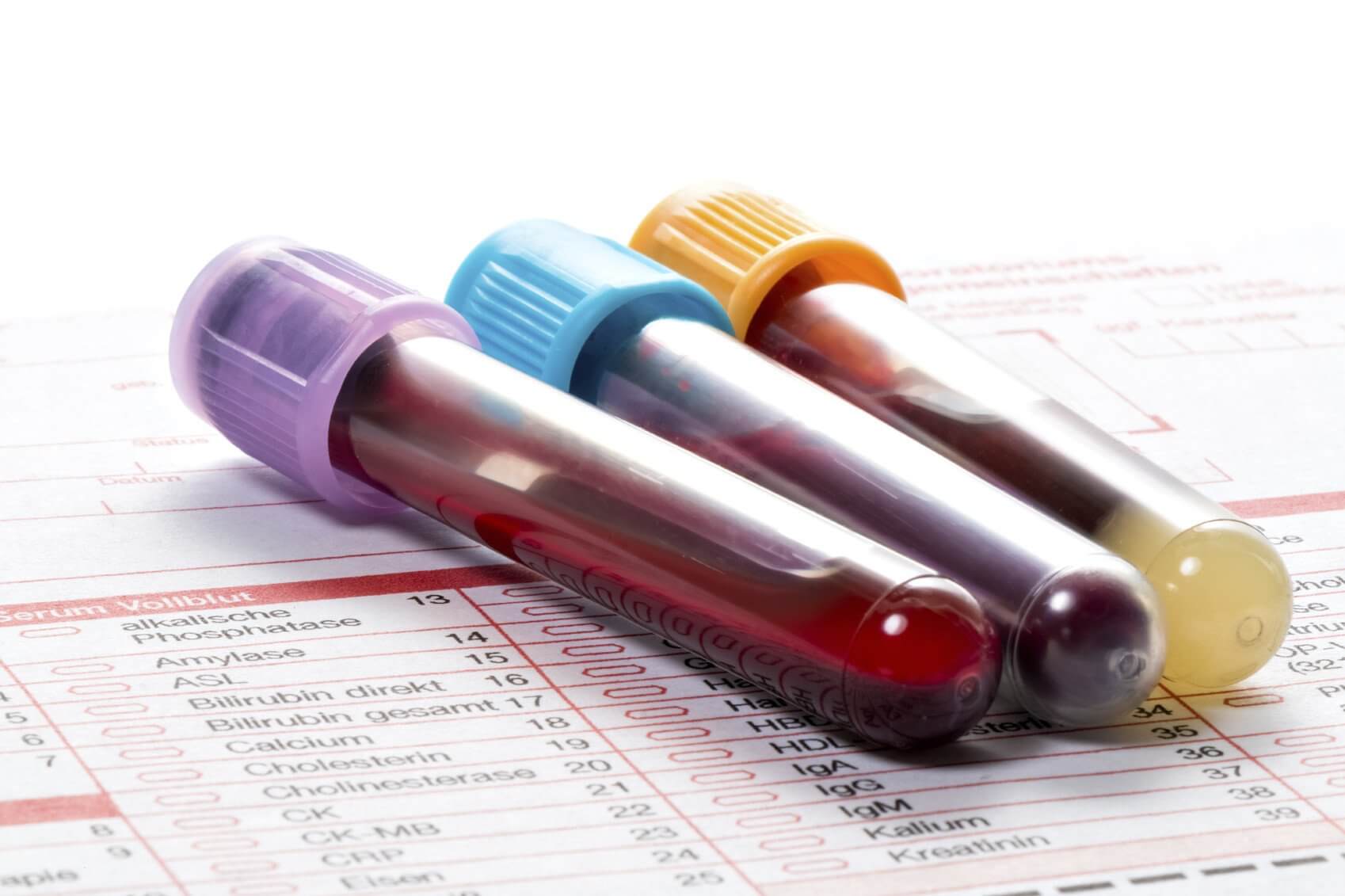
Understanding Bloodwork Markers
Complete Blood Count (CBC)
This test looks at different types of cells in your blood.
-
Red Blood Cells (RBCs): These cells carry oxygen around your body. Men usually have between 4.7 to 6.1 million of these cells in a tiny drop of blood, while women have between 4.2 to 5.4 million.
-
White Blood Cells (WBCs): These cells help fight infections. A healthy range is between 4,500 to 11,000 in a tiny drop of blood.
-
Platelets: Tiny cells that help your blood clot when you get a cut. You should have between 150,000 to 450,000 in a tiny drop of blood.
-
Hemoglobin: This is a protein in your red blood cells that carries oxygen. Men should have between 13.8 to 17.2 grams in a deciliter of blood (about half a cup), and women should have between 12.1 to 15.1 grams.
-
Hematocrit: This measures how much of your blood is made up of red blood cells. For men, it’s between 40.7% to 50.3%, and for women, it’s between 36.1% to 44.3%.
Basic Metabolic Panel (BMP)
This test checks for different substances in your blood to see how your body is doing.
-
Sodium, Potassium, Chloride, Bicarbonate: These are salts and minerals that help your nerves and muscles work properly. Their levels need to be just right for your body to function well. The typical rages are:
-
Sodium (Na+): 135 to 145 milliequivalents per liter (mEq/L)
-
Potassium (K+): 3.5 to 5.0 mEq/L
-
Chloride (Cl-): 97 to 107 mEq/L
-
Bicarbonate (HCO3-): 22 to 29 mEq/L
-
Blood Urea Nitrogen (BUN) and Creatinine: These waste products are created when your body breaks down food and muscles. Their levels can tell us how well your kidneys are working. The typical range from BUN is 7 to 20 (mg/dL), whereas, the typical range for Creatinine for men is 0.74 to 1.35 mg/dL and women is 0.59 to 1.04 mg/dL.
-
Glucose: This is sugar in your blood. Keeping it in the right range (70 to 100 mg/dL when fasting) is crucial for energy and overall health.
Liver Function Tests (LFTs)
These tests check how well your liver is working by measuring various substances in your blood.
-
ALT, AST, ALP, Bilirubin, Albumin: These are enzymes and proteins linked to liver health. If their levels are too high or too low, it might indicate a problem with your liver. The typical ranges are:
-
Alanine aminotransferase (ALT): 7 to 56 units per liter (U/L)
-
Aspartate aminotransferase (AST): 8 to 48 U/L
-
Alkaline Phosphatase (ALP): 40 to 129 U/L
-
Bilirubin: 0.1 to 1.2 mg/dL
-
Albumin: 3.5 to 5.0 g/dL
Lipid Panel
This test looks at fats in your blood to assess your risk of heart disease.
-
Total Cholesterol: Should be less than 200 mg/dL for a healthy heart.
-
LDL (Bad) Cholesterol: Lower is better, ideally less than 100 mg/dL.
-
HDL (Good) Cholesterol: Higher is better. Men should aim for 40 mg/dL or higher, and women should aim for 50 mg/dL or higher.
-
Triglycerides: Another type of fat. You want these to be less than 150 mg/dL.
Thyroid Function Tests
These tests check on your thyroid, a gland that controls your metabolism.
-
TSH, T3, T4: These hormones should be within certain levels to make sure your metabolism is running smoothly. The general thyroid function ranges are:
-
Thyroid-Stimulating Hormone (TSH): 0.4 to 4.0 milliunits per liter (mU/L)
-
Triiodothyronine (T3): 100 to 200 nanograms per deciliter (ng/dL)
-
Thyroxine (T4): 5.0 to 12.0 micrograms per deciliter (μg/dL)
Hemoglobin A1c
This test tells you your average blood sugar level over the past 2-3 months.
-
Non-diabetic: Less than 5.7%
-
Prediabetes: Between 5.7% to 6.4%
-
Diabetes: 6.5% or higher
Interpreting Bloodwork Results
Understanding bloodwork results involves more than just looking at numbers; it requires context and interpretation by a healthcare professional. Here are some key points to consider when reviewing bloodwork:
-
Reference Ranges: Results are compared to established reference ranges to determine if values fall within normal limits.
-
Trends Over Time: Monitoring changes in markers over time can provide insights into disease progression or treatment effectiveness.
-
Clinical Symptoms: Results should be interpreted in conjunction with a patient’s clinical symptoms and medical history.
-
Consultation with Healthcare Provider: It is essential to discuss results with a healthcare provider who can explain findings and recommend appropriate actions if needed.
Why These Markers Matter
Each marker in bloodwork serves a specific purpose in evaluating different aspects of health:
-
Red Blood Cell Count: Indicates oxygen-carrying capacity.
-
White Blood Cell Count: Reflects immune system function.
-
Platelet Count: Essential for clotting.
-
Electrolytes: Maintain fluid balance and nerve function.
-
Liver Enzymes: Assess liver health.
-
Cholesterol Levels: Influence cardiovascular risk.
-
Thyroid Hormones: Regulate metabolism.
-
Blood Sugar Levels: Reflect glucose control.
Understanding laboratory evaluations, especially bloodwork, is essential for monitoring your health and detecting potential issues early on. By familiarizing yourself with common markers found in blood tests and why they are important, you can actively participate in your healthcare journey and work collaboratively with your healthcare team to optimize your well-being.
Remember that interpreting bloodwork results should always be done in consultation with a qualified healthcare provider who can provide personalized guidance based on your unique health profile.
